A friend and I were talking recently about the stories we tell over and over throughout our lives. She wondered about how some people will tell those stories almost verbatim each time. No matter who they are telling the story to, or how many years have passed since the event, the telling of it stays exactly the same, word for word.
I was surprised by my friend’s surprise though, because to me, that’s normal. I told her I wouldn’t be surprised if all writers didn’t do that. Because what we are telling exists as a complete, finished story. Editing and revising are done, if they ever happened. The cause of the story exists fully formed and changing it with each telling would mean being unfaithful to the story.
She understood that but questioned the oddity of retelling in such an exact way. She wondered if it was a way to create an oasis in a crowd, a way to be isolated or protected by the familiar, when in an unfamiliar space.
Well, yes. Of course it is.
The story is known. The rendering of it has been practiced, rehearsed, delivered. The responses will be understood. Writers are observers, after all, and I’m willing to bet most are not typically comfortable in a crowd. And in situations where you don’t know what to say or how to fit in, stories are there to help.
I’d never really thought about this until my friend brought it up, but she is right. When I tell someone about something that happened, I not only use the exact same words, but even the same tone of voice. Maybe it is unusual and I just never knew that. It makes me want to listen to the stories friends and family tell, to search for variations.

Even as I think about this though, it makes me almost cringe. Variations aren’t just shifting the way you tell a familiar story. Variations change it forever. How many variations will it take before you no longer know what the true story is? My husband will say I elaborate, but even if I improve a story, I retell it the exact same way.

There may be safety for a writer in repeating the same story, but there’s also value in passing it on intact.
So how do you tell a story? Think of one that has traveled in your family for years. Do you repeat it the same as another family member or does it change with the speaker, or with the telling? Does it make you question what the true version is? Is their version their truth? That brings up the whole conversation around how people in the same situation can have completely different memories of the event later.
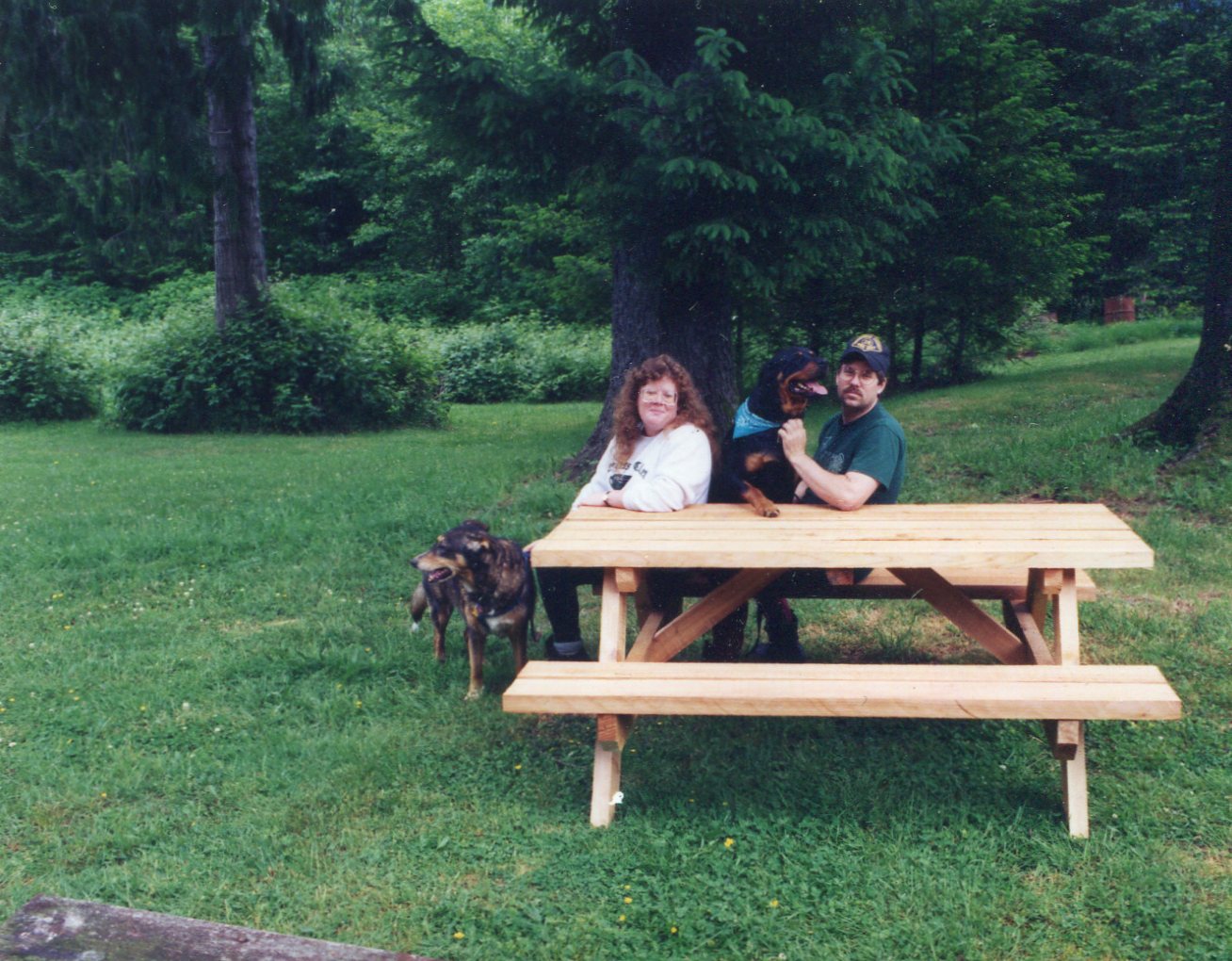
But now I’m losing the thread of this story. If I’m not careful I’m going to have to go back and change it.


 Lisa Stowe - The Story River Blog
I think my retelling of stories change a little bit according to who I’m telling it to but the actual story doesn’t change. For instance, I may edit my language to fit or relate to the receiver more appropriately. I may add more details or less according to their attention span, haha. I’m also one to have more of an accent when around family with a thicker accent. I’ll use their slang, too. Not sure why, but it just happens. I felt like that kinda went along with the story thing.Now my dad on the other hand, he tends to embellish his stories. He loves to make me laugh so he may tell me a story over and over (and maybe not remember he’s told me) and it may change ever so slightly or get more dramatic. I just smile and let him entertain me. He’s got some pretty outlandish stories but I love to hear each one.
LikeLike
My sister said once that our dad also embellished, and several stories that I took as gospel may not have been! I refused to think about that though, as I preferred to believe in fantasy…or at least didn’t want my image burnished. I don’t want to think of one of his stories and have doubt in my brain that it might not be true. Either way, I loved to hear his stories, like you with your dad. Treasure them as long as you have him to tell you.
LikeLike