A few months ago we had some of the worst flooding in several years. Floods are interesting and dramatic when you live in a mountainous area with lots of rain. Typically they come after a heavy snowfall and then rapidly warming weather, but once in a while a flood will be solely from a rain event, and that’s what this one was.
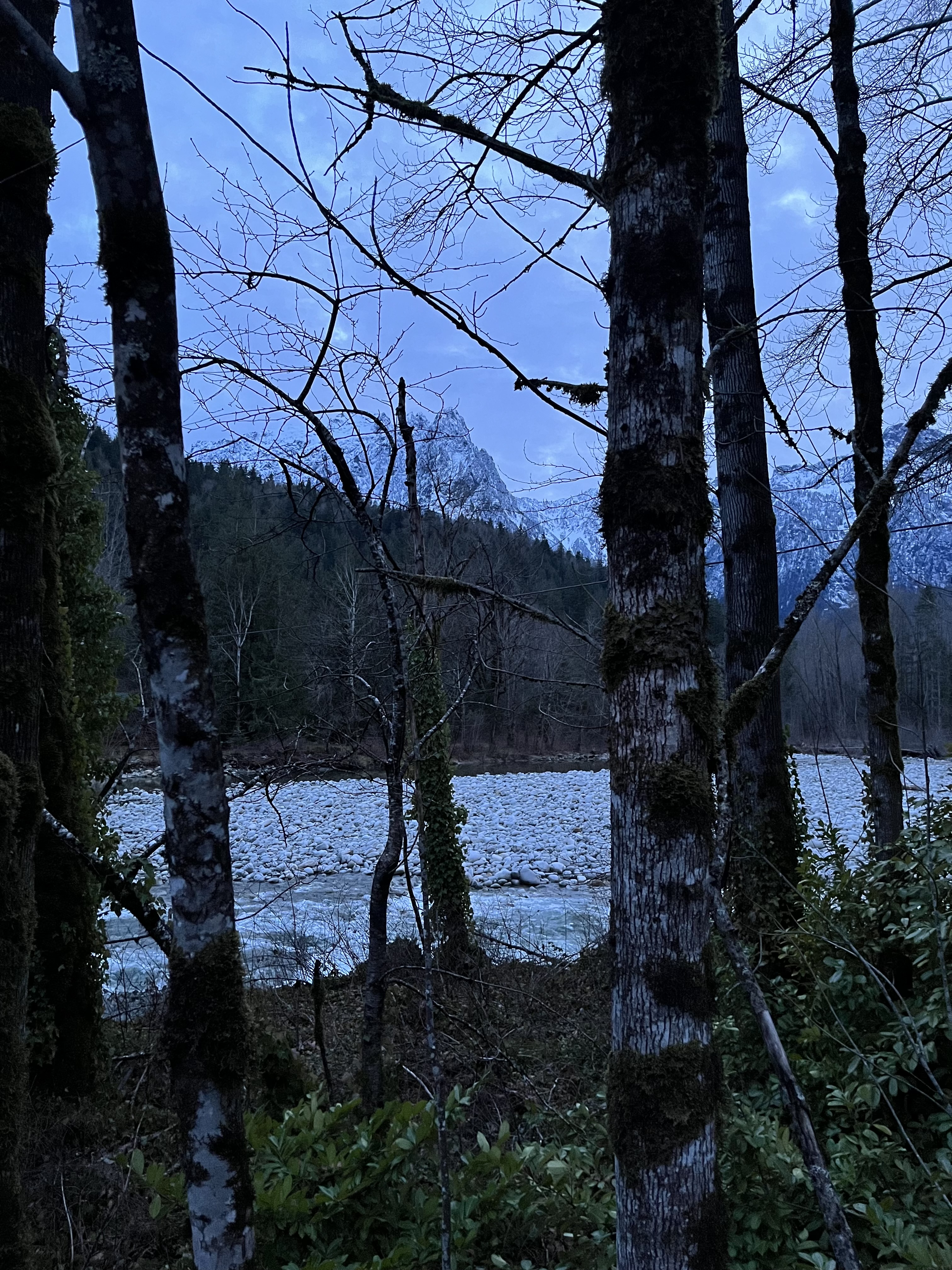
Floods here aren’t like in the lowlands or farming areas. High water in lowlands can obviously be just as destructive. But here, where high volumes are forced into narrow river channels, rocky canyons, and dropped down steep elevations, the flood has a tendency to rise fast, disperse power, and then drop equally fast. In other words, lots of drama over a shorter period of time. This time, there was a lot of drama. Look at the photo below and you can still see the ghost of the water flow.
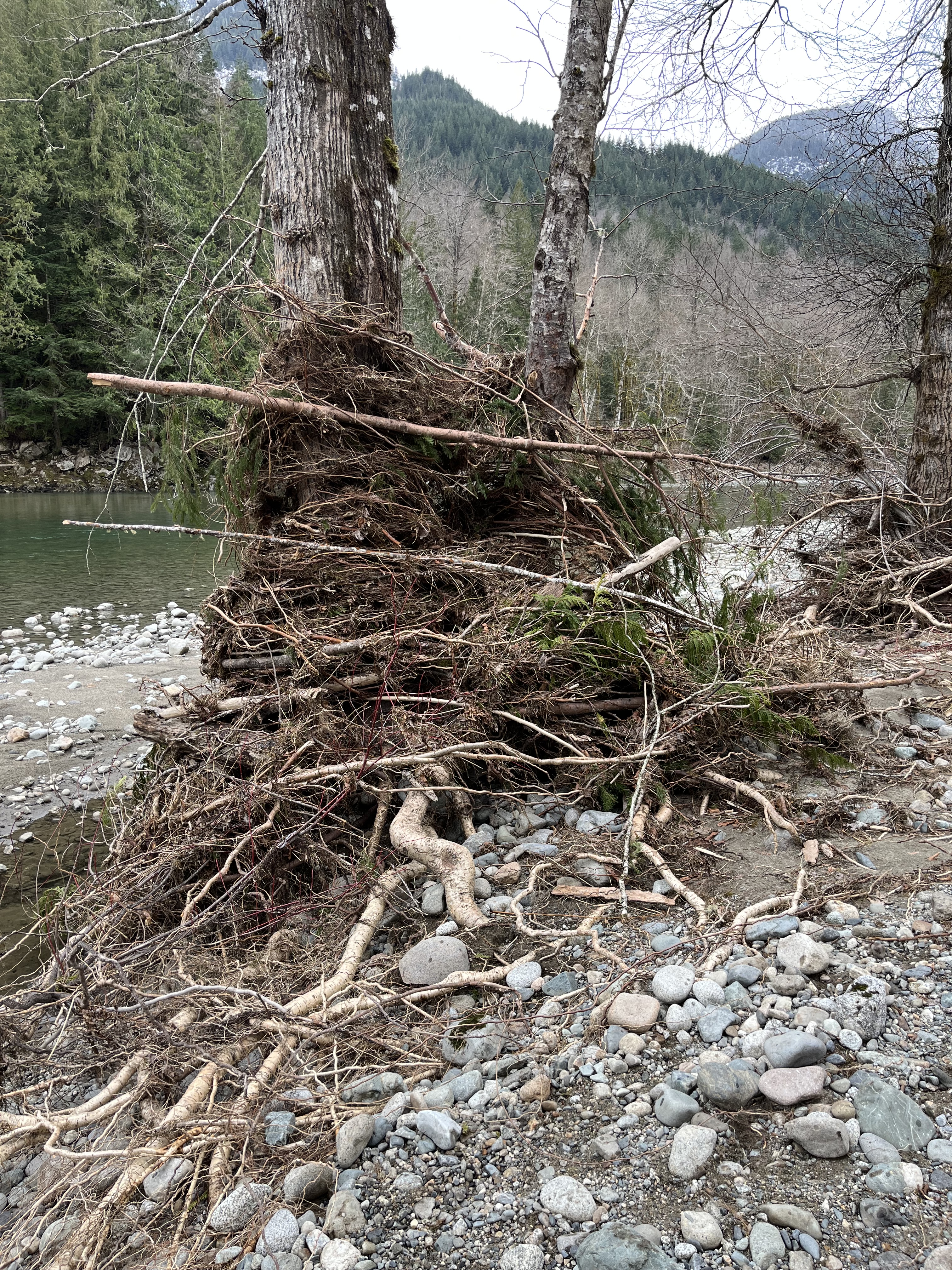
Yesterday we walked over to the river and I was shocked at how much the channel had changed. As I said, floods are nothing new here and the river landscape is always changing even without drama. But this was significant. The photo below is of the same tree above. You can get an idea how high the river got.
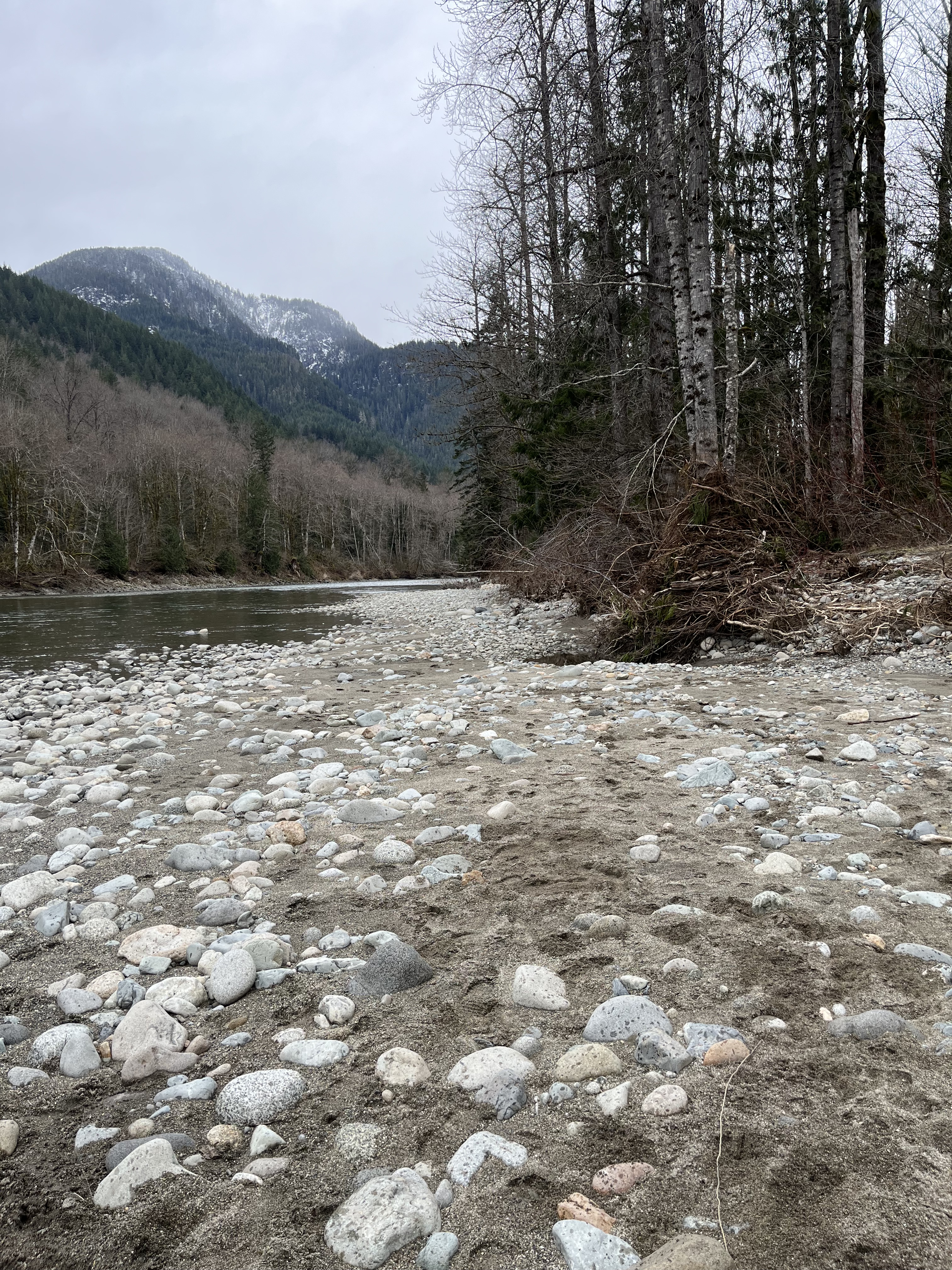
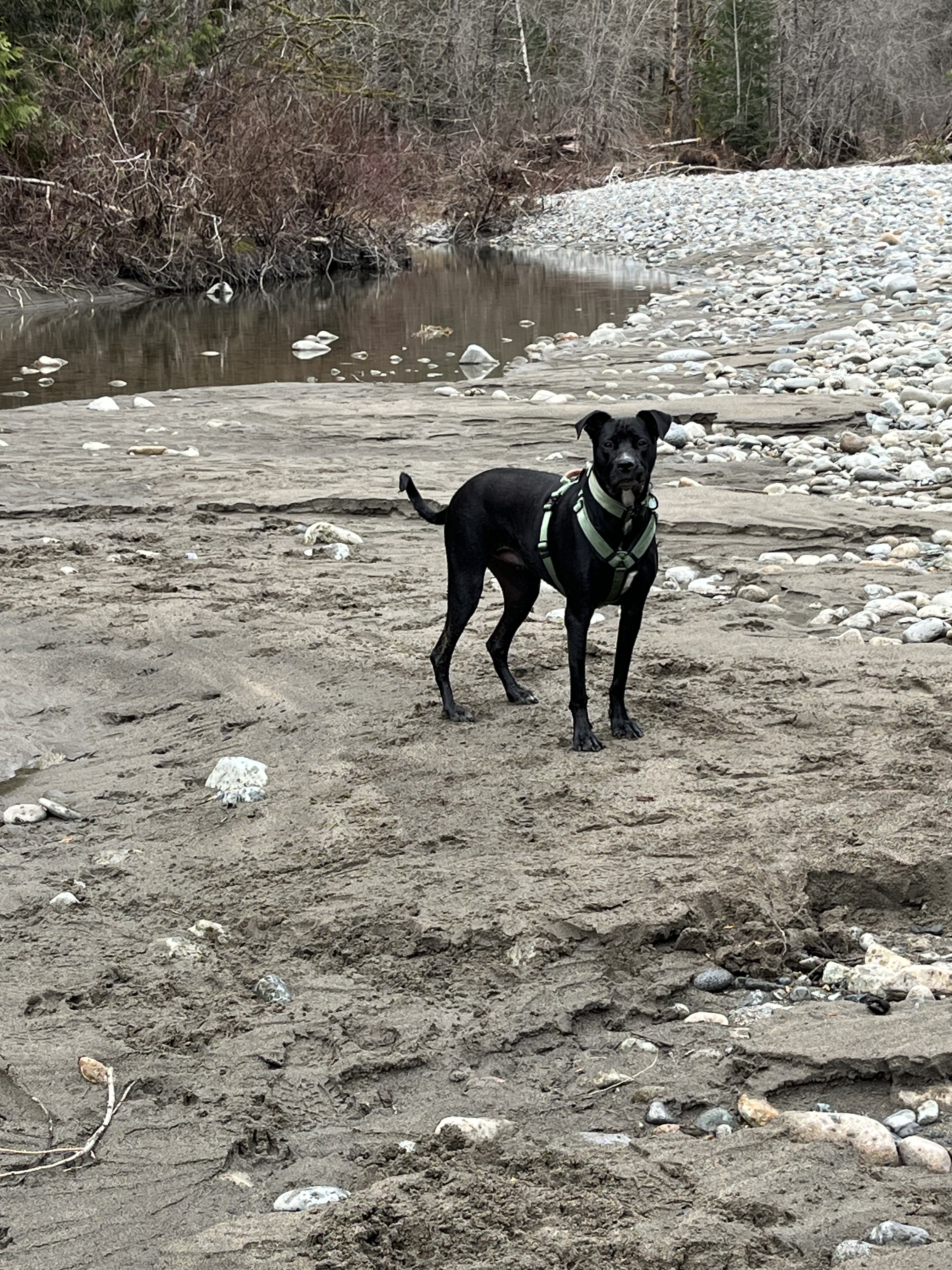
A nice, wide, side channel is gone. In its place is sand. Sand! If you live in this area, sandy beaches are not normal. River edges here are nothing but rocks, rounded over eons by water. There are rocks, though, beyond the sand. The side channel is now a high mound of rocks as far as you can see. The sheer volume of rocks is unreal. It’s hard to imagine where it all came from, let alone thinking about the power of water to move that many rocks so easily. In the photo below, that wide expanse of rock is where the side channel used to be. And by the way, the dog absolutely loved the sand. Quite a bit of it is now in our bed, I’m sure.
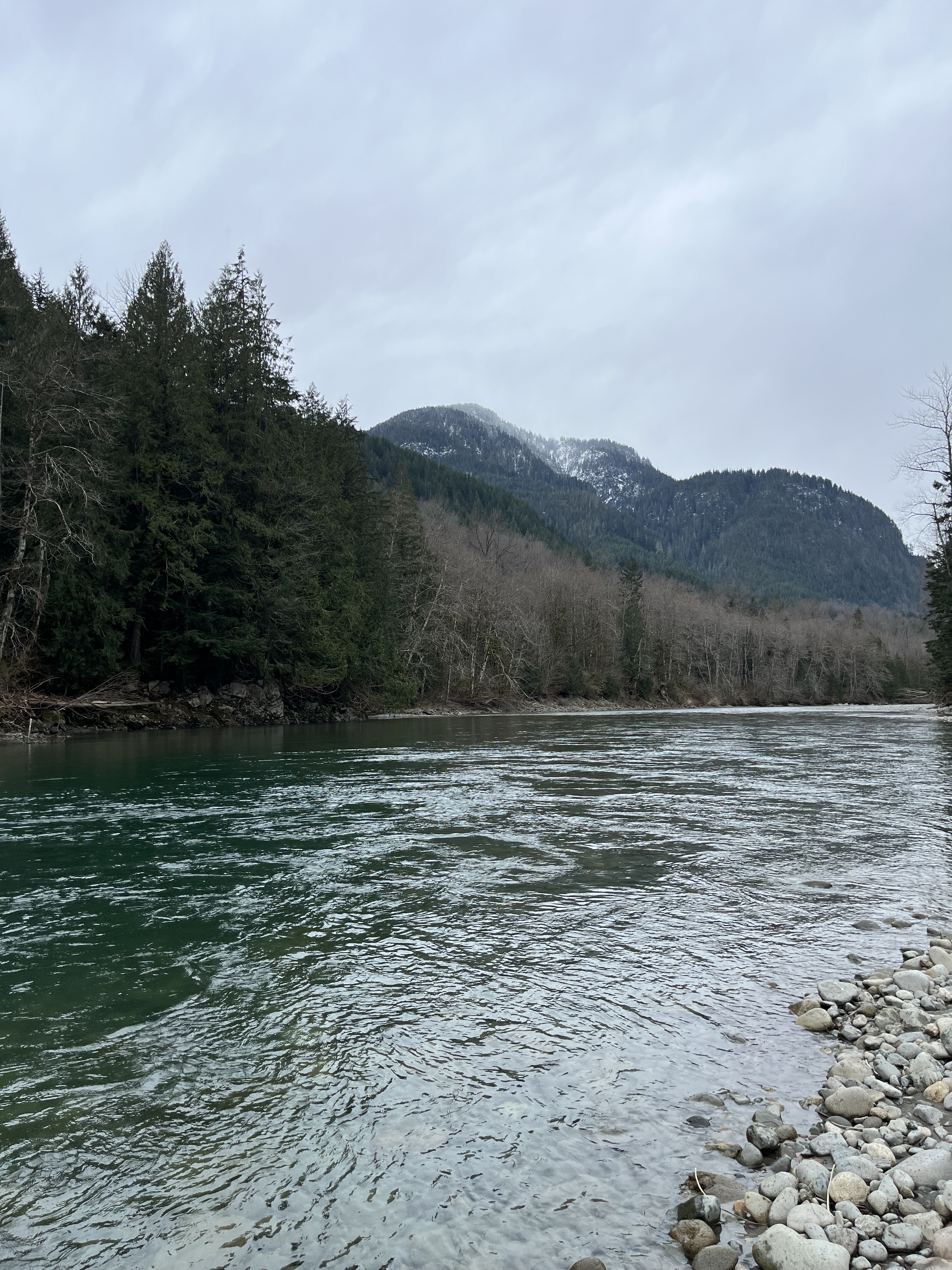
There has always been a trough, quite deep, in the main channel. You could see it from shore and it was obviously deep because of the shade of green and the difference in currents. But you couldn’t get close on foot as the river was too wide. A kayaker could get through the main channel to that deeper part, or maybe my friend who swims the river currents. But not the average person standing on the shore. The opposite shore, nothing but woods, also allows no access.
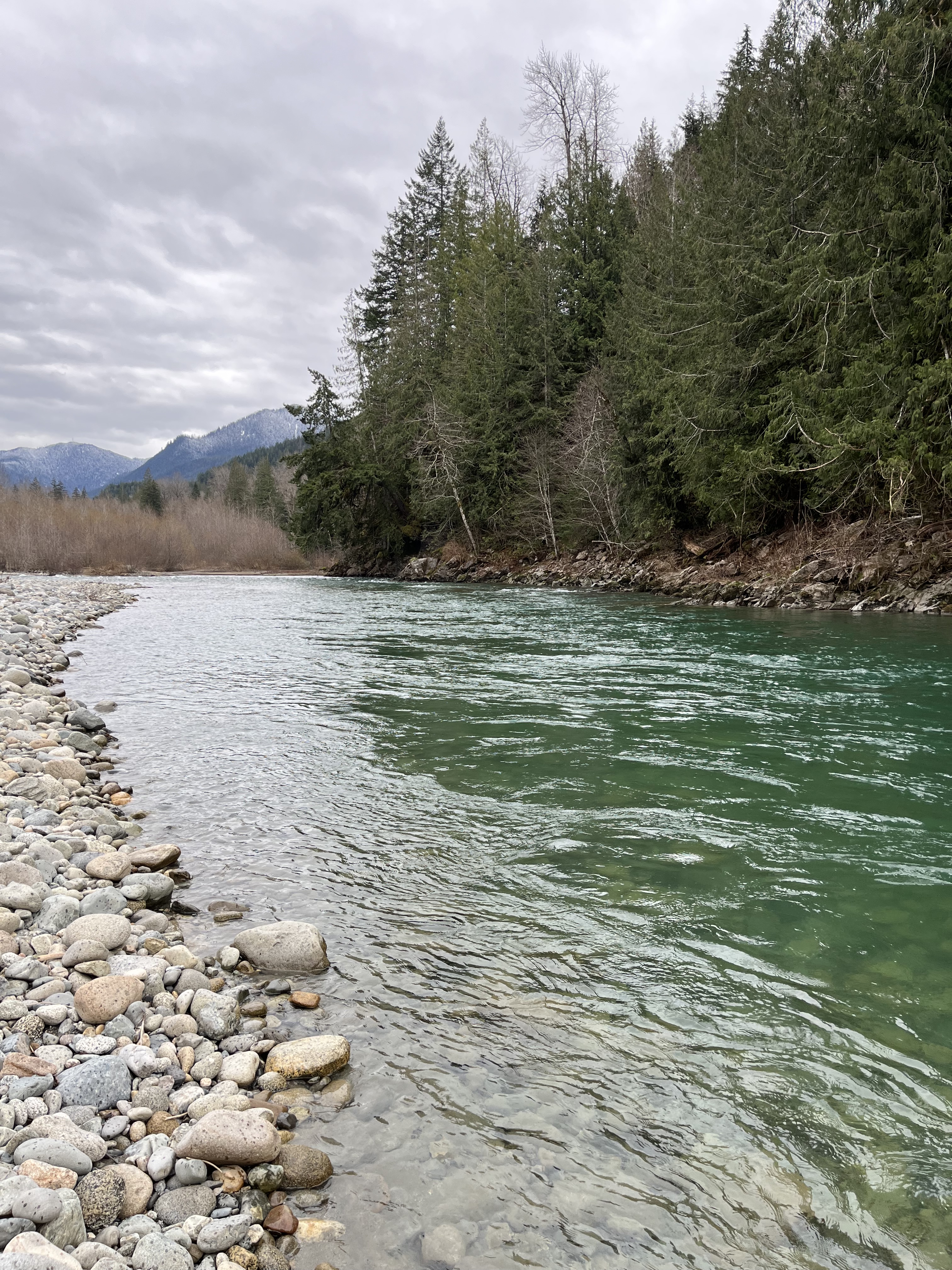
Now though, thanks to the massive sand and rock piles, you can walk up to this deep channel. It’s a beautiful emerald green. In the photo above you can see how fast the edge drops off into depths.
In the future, high water events will erode this new landscape. The old side channel might open up again. The deep channel will widen as currents eat away at the rocks. The sand will definitely be washed away. But for now, it’s a new world over there.
We came home with pockets full of rocks for our tumbler. So many, underwater for who knows how long, now exposed and accessible. Jasper, wishing rocks, quartz, and granite.
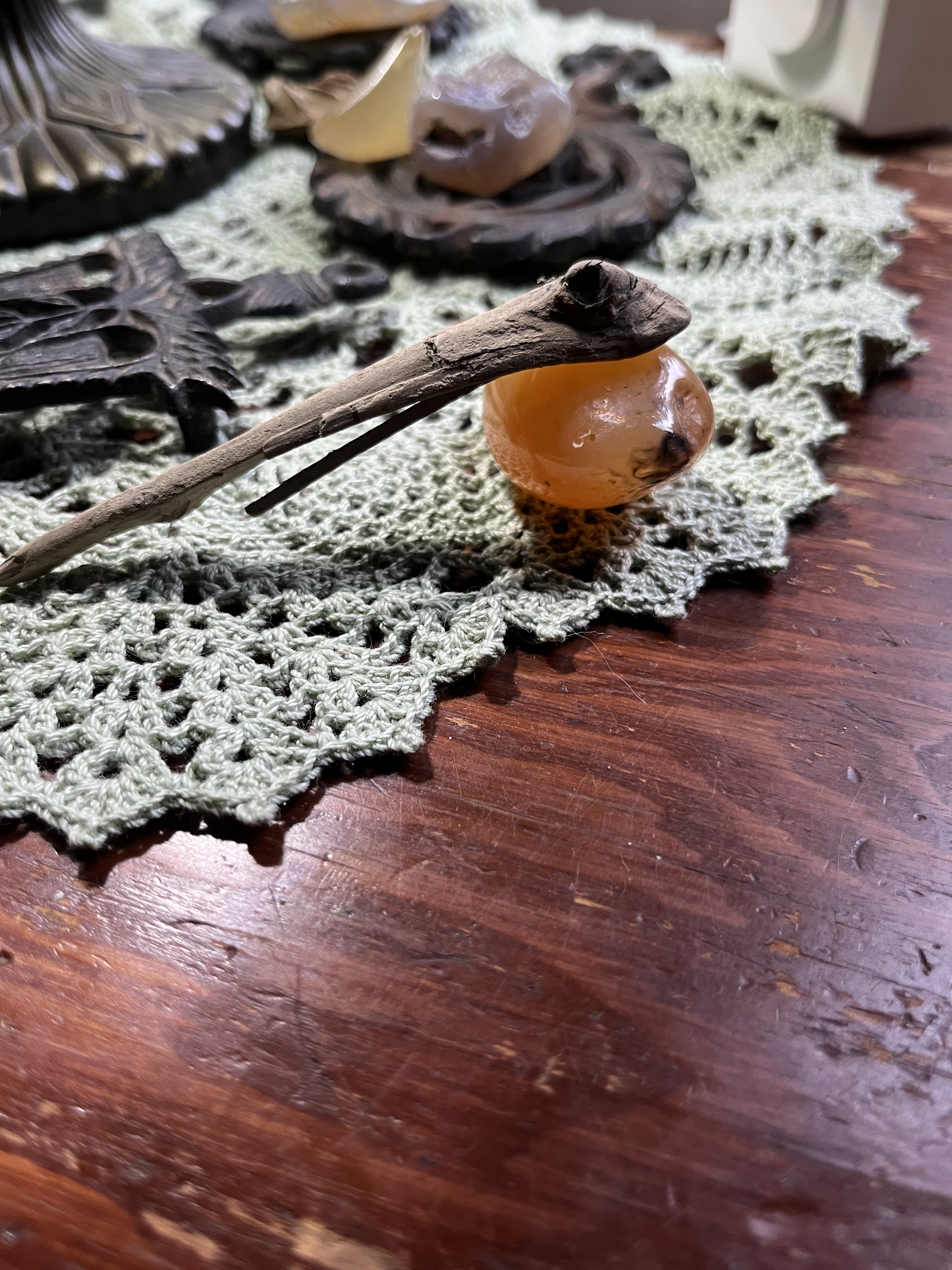
I also came home with a little forest creature. It looked rather sad floating in a tiny pool of river water. It had to have come from a tree, uprooted by floods, sent down river, shattered into debris. It didn’t belong in the river. It used to be a tall tree, touching the wind. So I pocketed it for safekeeping, carried it home, and now have it on the desk. I’m not sure it’s any happier here. I might have to find a place for it in the woods. It still looks kind of sad. Or maybe that’s just me, transferring my thoughts on how fast things can change, how much power there is in change, and how nothing stays the same.





 Lisa Stowe - The Story River Blog