Interview With Author Kaylan Doyle, Pt. 1

Following is part of an interview with Kaylan Doyle, author of Survivors’ Dreams.  I caught up with her not too long after her return from a very successful book launch at DragonCon. Please feel free to ask her questions and leave comments. I’ve always thought writing science fiction would be extremely hard, but Ms. Doyle makes it sound like a fun challenge.

Lisa: How do you come up with names when writing science fiction/fantasy?

Kaylan: I generally think of a personality type which relates to a given name – often a nickname comes first. With Rak’khiel (Kel), I knew my female protagonist was warrior race, a “killer”, if you will. Kill became Kel, and with the Kra’aken language using a double letter separated by an apostrophe, Kel became Rak’khiel. I work phonetically so that there is a rhythmical, melodic feeling to the names. I admit Prince Helrazr was a tongue-in-cheek pun– because he is a handful, and a favorite with the ladies.

Lisa: On a related note, how do you keep them unique without being too different, so that a reader struggles with pronunciation or feels pulled out of a story?

Kaylan: By using nicknames whenever I can – they are short, and it doesn’t slow the pace for my readers. I’ve read enough science fiction/fantasy to be aggravated by unpronounceable names thirteen letters long – I try very hard not to do that.

Lisa:  I can build a world where I live that will be unique to some readers, but still have a frame of reference. If I write about a tree, readers will picture what that means to them. Yet when world-building everything is original. So how and where do you start, and yet still give readers a frame of reference?

Kaylan: Oh, you’ve hit on the fun part! Take a tree – some of mine are red and silver – there are no limits. I reference the standard item – so my readers know what I’m describing and then I let imagination run crazy. I always try to include the senses – the sight of leaf color or bizarre shape of the tree, the touch and feel of the weird colored bark, the smells can be anything from nice to nasty – cinnamon to burning ozone.

Lisa: Do you find building a character that lives in a different universe harder, or are the principles the same?

Kaylan: It’s the same, truly, but with such complete freedom. Aliens don’t have to be nice, or kind, or helpful.  Their culture, their rules, their rights and wrongs – they can be perfectly awful by our standards and great guys by theirs. So yes, I use our structure, but I often twist their societal requirements or customs.

Lisa: The idea of not just creating a story, but creating a whole unique foundation for that story fascinating. When writing this type of fiction, where do you stumble, what comes easiest, what do you most look forward to, what do you most dread?

Kaylan: Oh boy. I knew what the problems between Kel and Razr would be, and I knew the planet of Olica would be hostile to them. What I didn’t know was why, or who. To arrive at that, I wrote Kra’aken history and backstory until I found an old enemy species. To be honest, the only parts of the story I find difficult to write are the serious love scenes. What I truly love are the scenes where my strong female protagonist, with true justification, kicks backside with extreme prejudice.

Lisa: Two of your main characters come from a world, through a portal, and end up in proximity to each other, even though they are in no way similar. You’ve written this in a very believable fashion, but did you at any point worry about the plot becoming a coincidence, and how did you avoid that pitfall?

Kaylan: No, the possibility of coincidence never entered my mind. It probably should have – it would have been easy for the story line to feel contrived. J But when Kel and Razr told me their adventures, they also presented the logical “how” that they managed to wind up on the same world at the same time. Lucky for me!

Part 2 will soon follow…
Who Needs a Secret Garden

A young friend reminded me of the pure joy I felt years ago when first beginning to write. Think back, especially if you’re female, to those stories in the pre-teen and early teen years. I was telling stories long before that, but I’m talking here about those first purposeful creations.

There were no thoughts about character arc, plot arc, believable dialog.No editing, no worrying about a future audience, a critique partner, a writer’s group. Instead there was that secret thrill of a story I had control over, that was mine. I could give myself adventures that I would never have tried in real life. The kid I had a crush on would not only notice me, but we’d head off on a grand adventure. The heartbreaking drama that left me in tears could be rewritten into a tale where I knew just what to say. It was total control during a time when girls feel not in control of anything. Not emotions, body, life. All that could be escaped by slipping into that dream world and living in the story.

I’m not talking here about those people with imaginary worlds that take over their life, or keep them closeted away while life flows by. What I’m talking about is something I don’t want to lose. I don’t want to get so caught up in syntax and grammar and structure, that I lose the deep happiness of stepping into that story world.

My young friend wrote a story about a boy she ‘might, or might not’ have a crush on. Does that bring back memories? Does that bring a smile to you? A secret smile, thinking about an old story you may have written? I’m picturing paper covered in pencil, full of adventure and dreams, paper that allowed me to control the things I feared, things I was uncertain about, changes I didn’t want.

Writing gave me power in an age when there was very little I had control over. When I think of the stories now, they make me laugh. They were so badly written. But so wonderful.

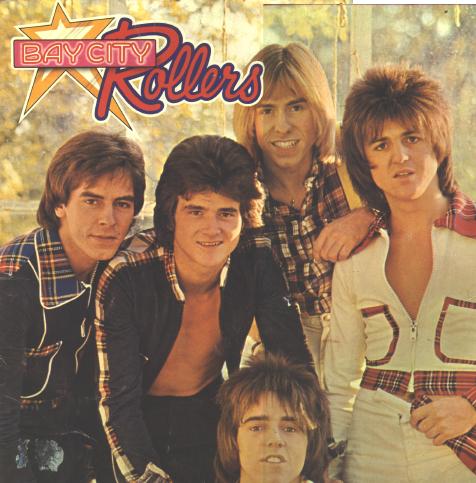
And there were several stories written and shared at teenage girl slumber parties about the photo below.

Character Observation

I am going to be interviewing Kaylan Doyle, author of ‘Survivors’ Dreams’, but one of her answers spiked my curiosity about what others thought, so I decided to post it separately and use it as a forum for some discussion. I asked Kaylan this:

Q:  Your action/reaction character interplay always seems exactly right.  How do you manage the balance; where does the inspiration come from?

KD:  For me, the key to character/character interplay comes from observation.

Because of a decades-long hearing impairment, I’ve studied every aspect of social interaction – whether or not I was involved. I “heard” with my eyes. Compensating for the lack of words, I ‘read’ body language, guessing (not always successfully), while trying to fill the gaps of missed dialogue.

The more my hearing deteriorated, the more my other senses expanded to assist. Watching movies (or other people – ex. in the grocery store or at public venues), I found myself keying on the set of a jaw, the squaring of shoulders, the pace of breathing or whether one character invaded the personal space of another. The classic use of “show, don’t tell.”

In writing situations, I use the senses: Sight, feel, taste, smell, hearing plus a large dose of intuition. Applying all these bits of information enriches a scene or an interaction between characters.

For inspiration, I draw characteristics, traits from people I know. Combined with abilities I wish I had, or ones my characters will need to survive, my novels are peopled with composites. I love the freedom to create and amplify my characters’ abilities. Writing a thumbnail sketch of each personality keeps me true to the proper action/reaction of each. And some, I just make up for the fun of it – but I always try for authenticity, believability. I need my readers to nod and say, “Yes, this could happen – or yes, he/she would do that.”

About balance: I’ve found, in real life, there are few all “bad” or all “good” people. Everyone has their good points and everyone has flaws. Each has some personal code of behavior or ethics – even serial killers have methodology (eeek!). Murderers have their own twisted reasons for what they do, why and how. I try to portray the belief system of each character and reflect it in their actions.

In creating a ‘balanced’ character, I believe four things need to agree: dialogue (what the character says), internalization (what the character is thinking), body language (what the character does), and proprioceptive reaction (the involuntary physical reaction of the character to stimulus). If they do not agree, (a very useful tool if applied deliberately) it is easy for the reader to guess something is amiss. Often, writing what is “not happening” is more effective than writing what “is”.

My favorite character to create:  I love strong female protagonists.

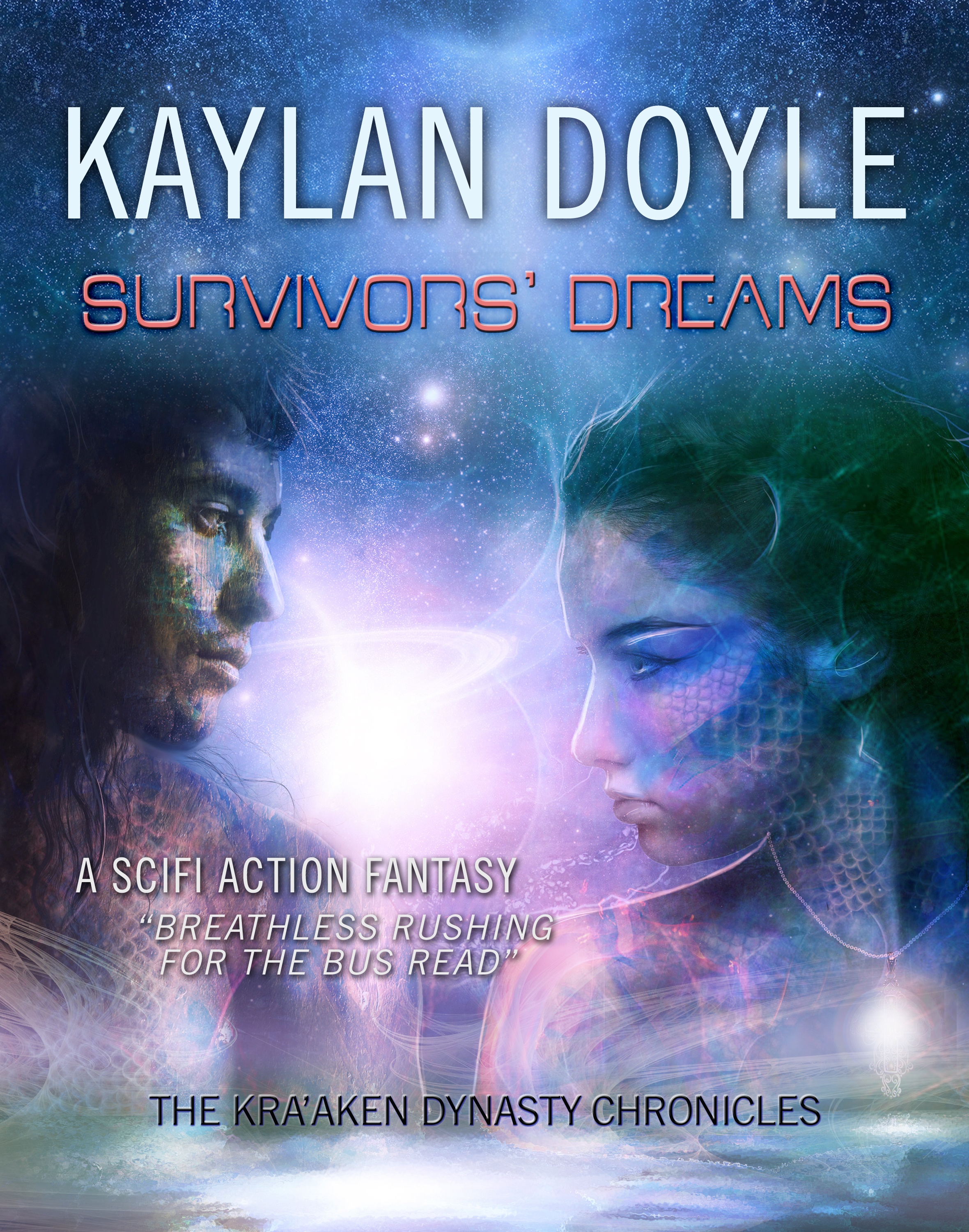
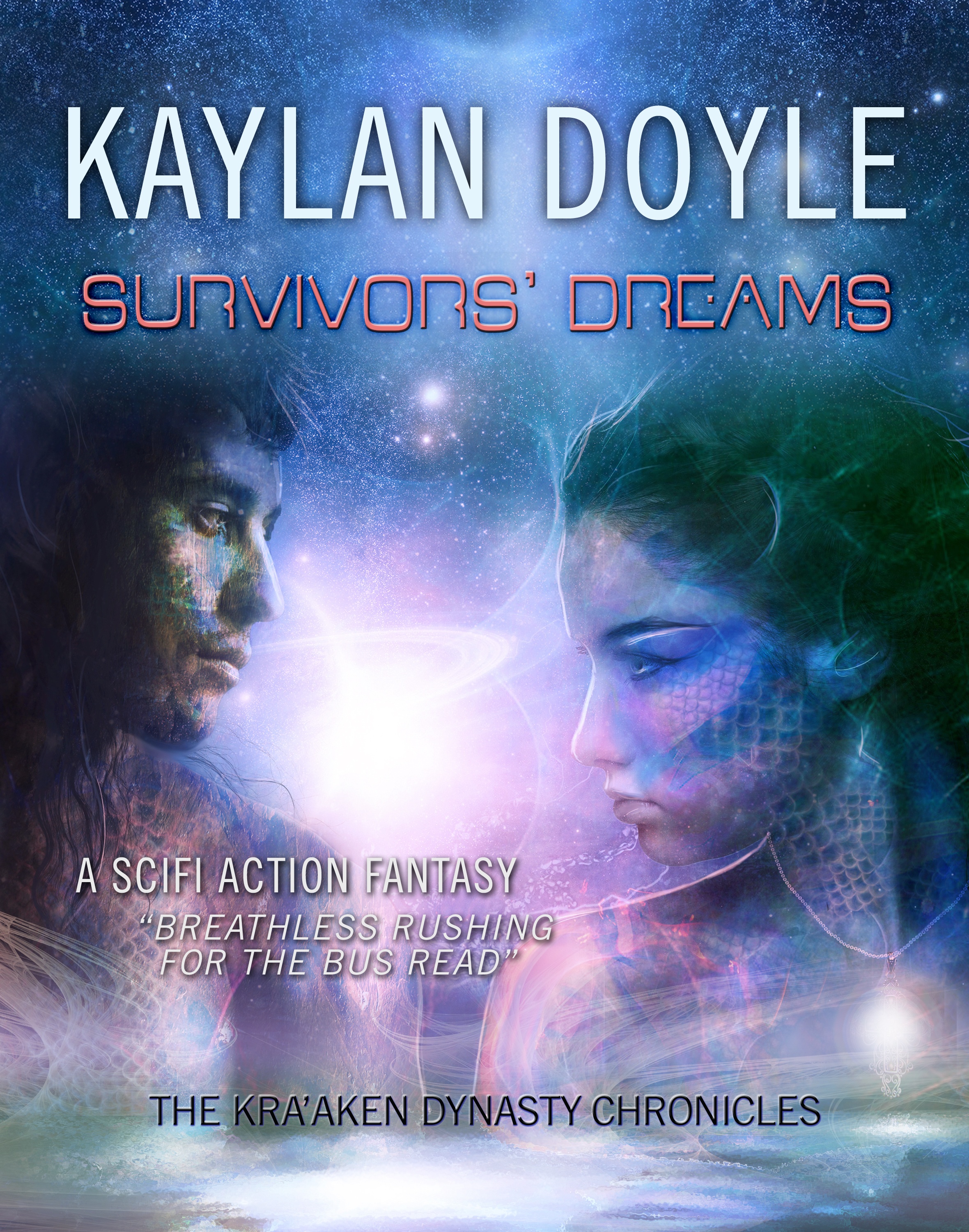
So, tell me what you think of character interplay. Kaylan’s right, that close observation translates to body movement that makes characters more believable and real. Below is the cover from her book.