The Power of Memory: Exploring Emotional Connections

I remember a German Shepherd. I could see out the kitchen window where the dog waited outside, watching me. I remember a feeling of sadness, a sense of knowing the dog wanted in, possibly a sense of loneliness because the dog wasn’t with me, but that could be me projecting on to the memory. I asked my mom about the dog once because I have no other memories of it. She said I couldn’t remember him because I was only six months old. It was a neighbor’s dog she was babysitting and it bonded with me and didn’t like anyone coming close, so she had put him outside where he then watched me through the window. She said she’d forgotten it until I asked her.

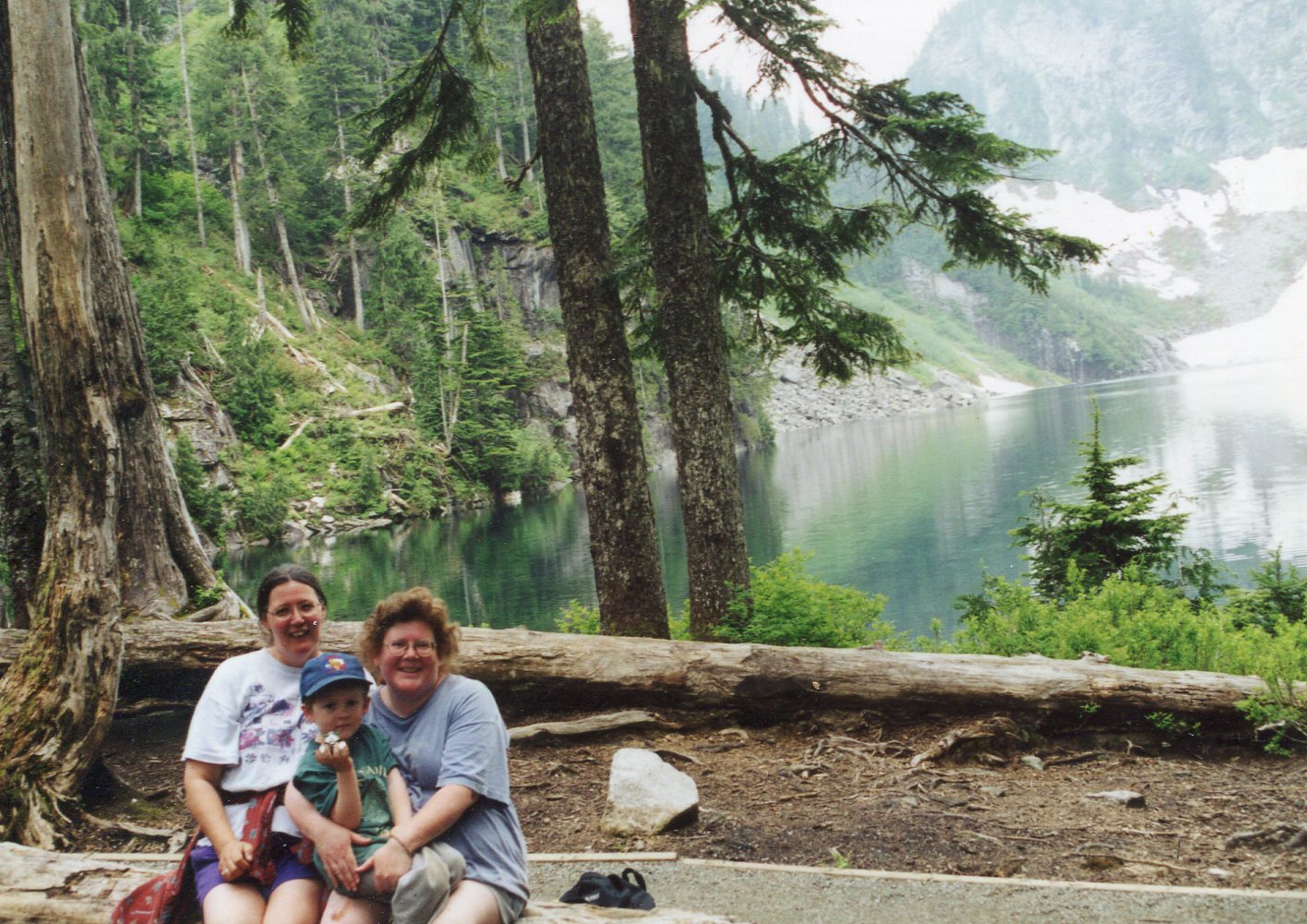
Me with another neighbor’s dog.

Maybe I was six months old, but I remember. It’s a clear image of the dog and the window, and a sense of emotions that I can put a name to now.

It made me think about how we remember. When you say ‘I remember…’ or ‘that reminds me of…’ do you think of it like a story, in words? Do you suddenly see the memory like an old movie or photo? Do you hear the voices of those involved? I strive to focus on what a memory is like when one surfaces. I think, for me, it’s a narrative, a sudden story, the associated emotions, and maybe, rarely, an image or visual.

Of course, the way my brain wanders, those thoughts sent me down the path of inherited memory, which I believe in for several reasons. One is a conversation with a person writing a thesis on inherited memory as a premise for deja vu. One comes from a conversation with a best friend who is an expert on genealogy and the odd things she’s come across. Plus, my own experience of feeling immediate emotional ties to a specific place, that sudden strong sense of being home, where I belong.

That path then led me down a side trail out to our hot tub on Samhain. Sitting in hot water in the darkness on the day when we honor our ancestors got me thinking of the countless generations, the thousands of years, the billions of people, who lived their lives and contributed to our DNA. Think of the trillions of memories and stories that have come down through time and been lost to time. Think about all of that held in what makes you, stored in your blood. So many, many memories, that you have no memory of. So many, many stories you’ve never heard, from people you never knew, that are part of your ancestry.

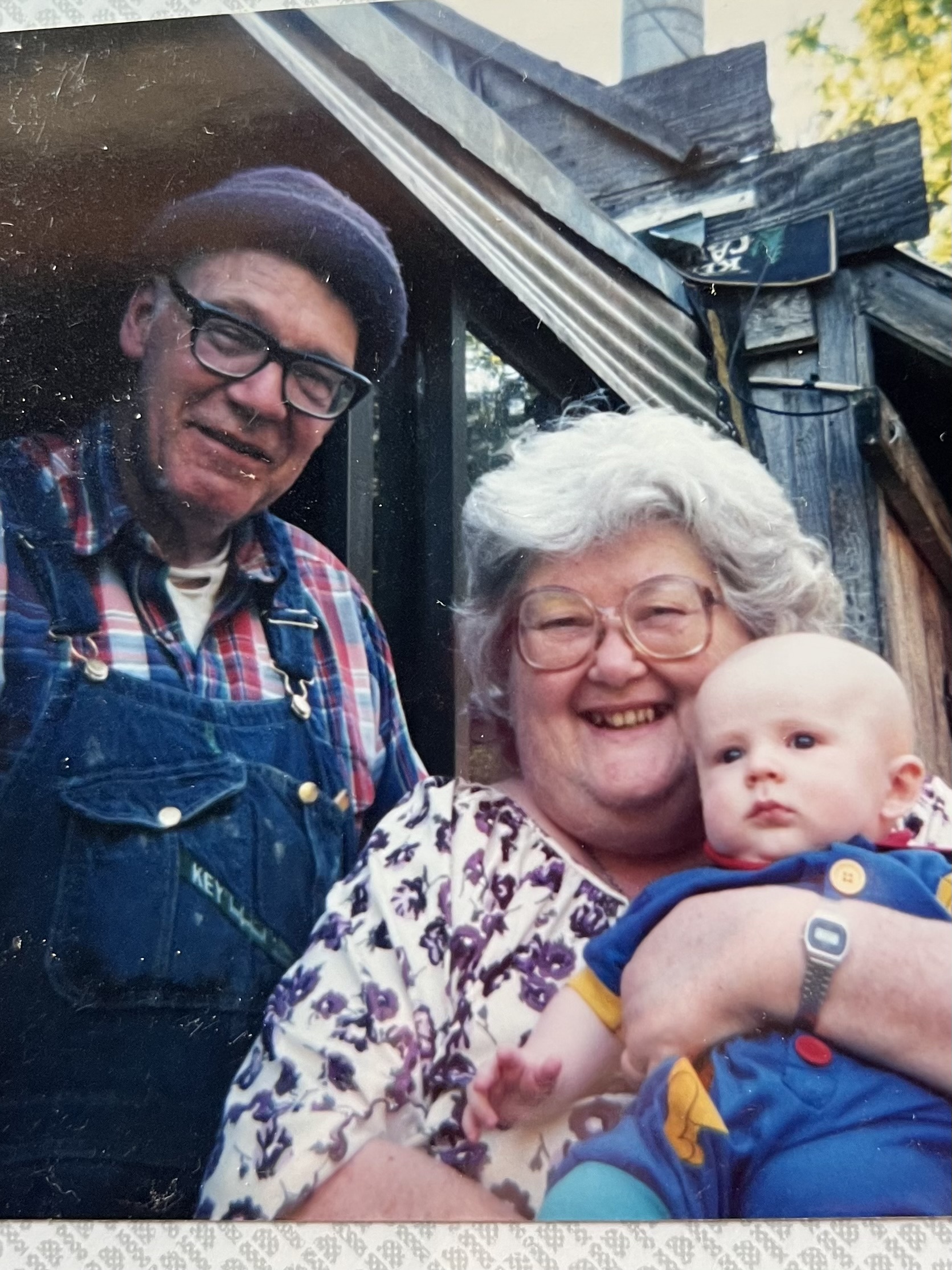
My dad in the cap.

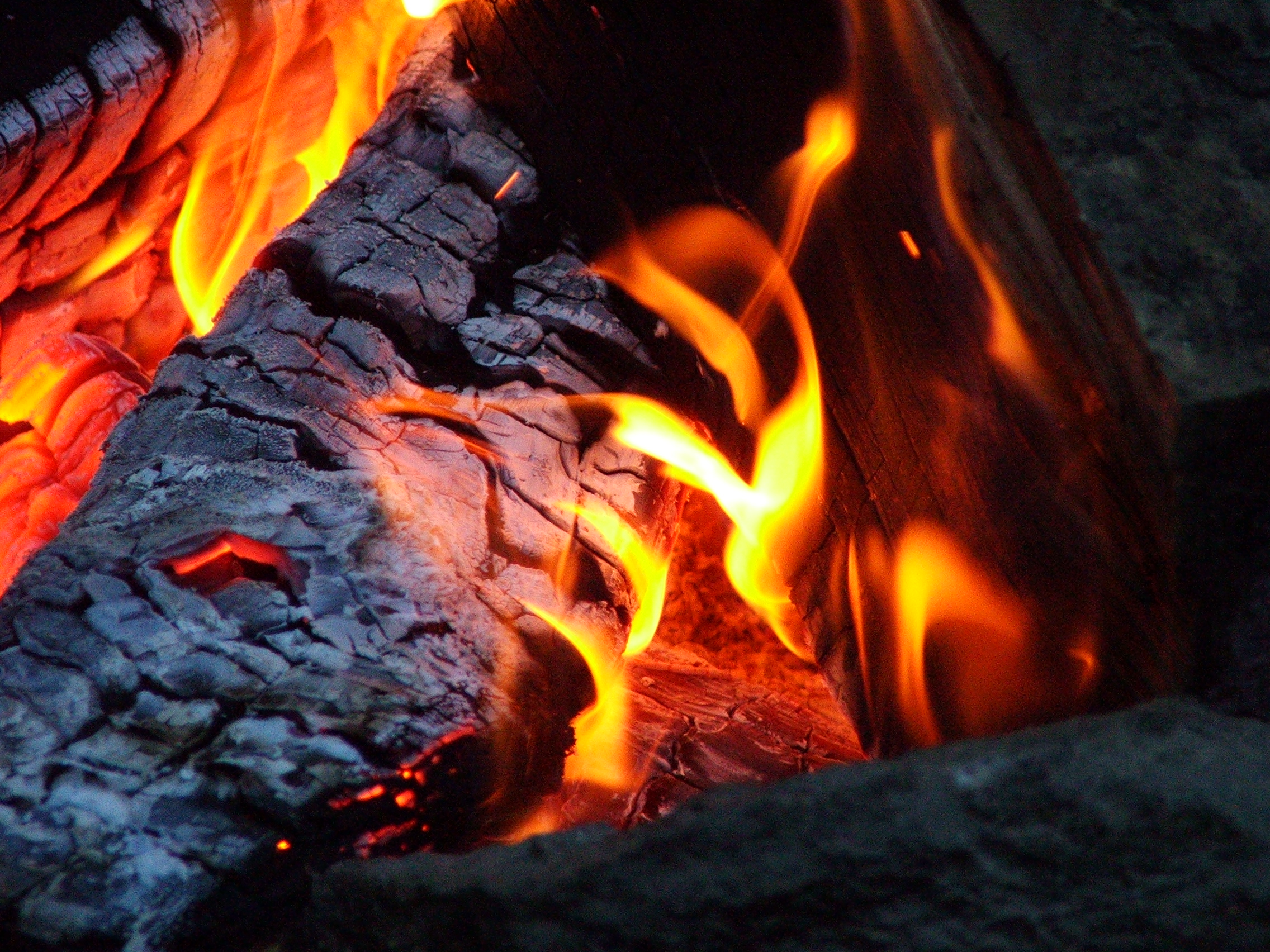
Don’t you wish you could hear them? Someone from the days of cave art sitting by a fire sharing with you the inspiration for their need to place their hand against stone and leave an imprint. Someone accused of witchcraft. Someone washing clothes in a stream on the Oregon Trail.

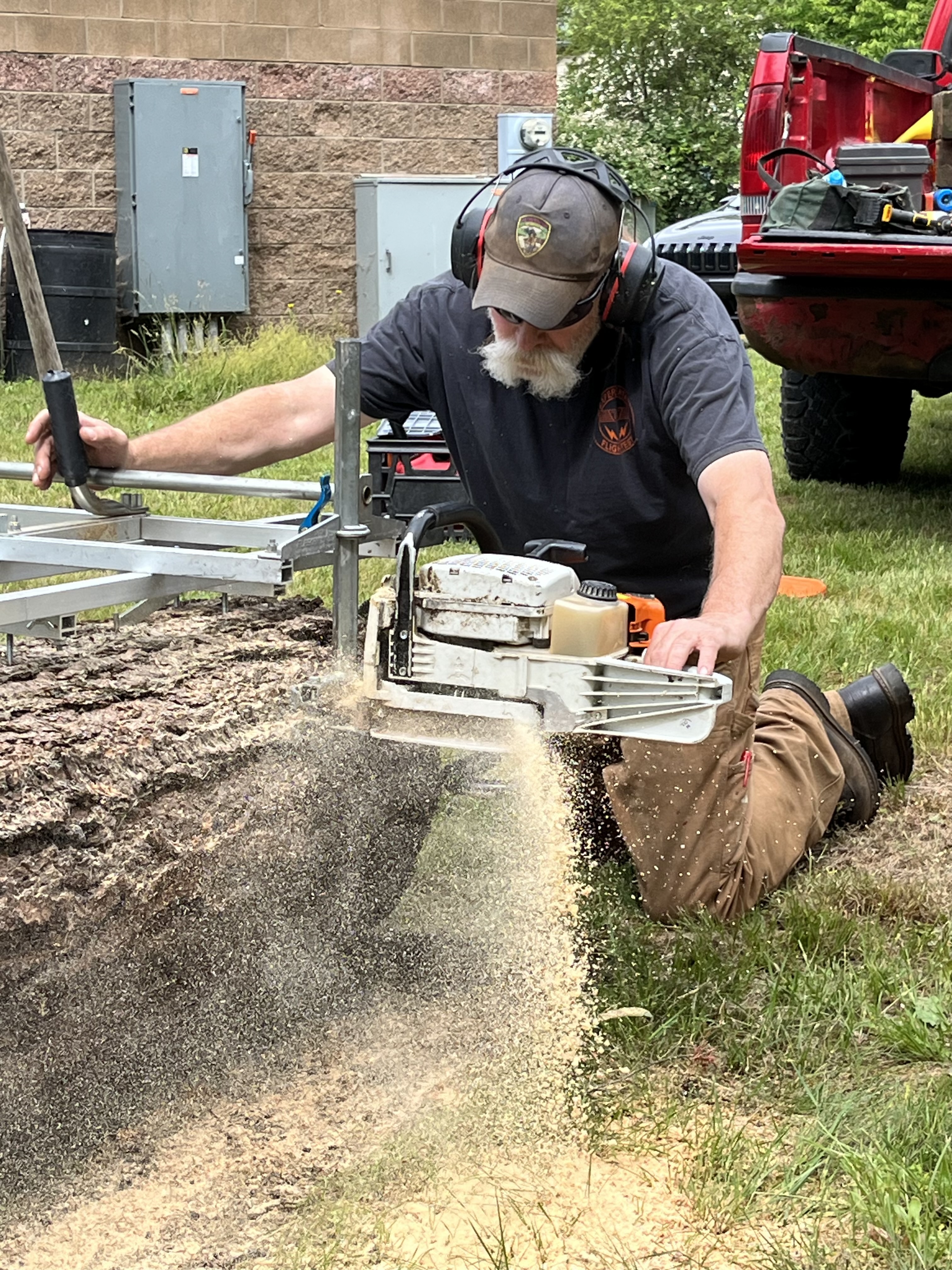
Husband in cap.

It blows me away to try and comprehend all the memories that were part of creating my DNA.

Especially when, while I remember that beautiful dog at the window, I can’t remember what I did last week.

How Solitude Fuels Creativity

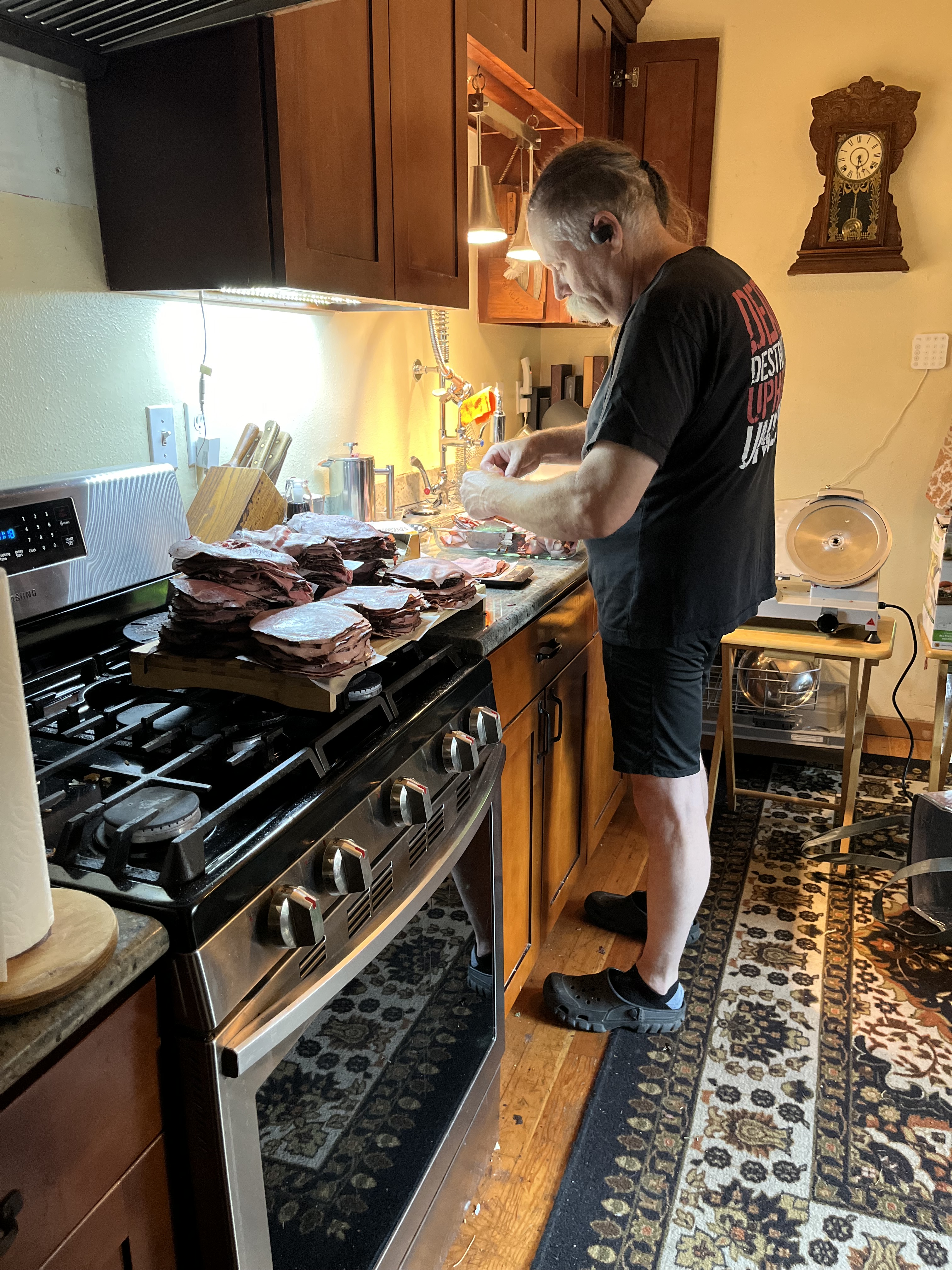
My husband and I work at the same place, which means we are together all the time. We commute together, we have lunch together, we’re together on our days off. Tuesdays are the exception, when I work and he has the day off to himself. It’s wonderful. There isn’t anyone else I would want to be around every single day, round the clock. Plus, when I come home on Tuesdays, dinner is waiting.

The thing is, though, I run away occasionally. I take a week off and go visit a sister. We goof off for five days straight. It takes five hours for me to get to her house. That five hours is my alone time. My husband never gets that break, or any break long enough to reset.

I finally convinced him how important that is. The last few years, it’s become more important to me; possibly because I no longer take it for granted. So…he went. Took a week and a road trip and lined up things he wanted to do. I saw the opening and also took the week off, to stay.

He thinks he should do this every year. I agree.

Right now, the house is quiet except when I play music. It’s chilly and raining outside, which is my favorite weather, so I couldn’t have timed this better. I decided I would spend the time doing nothing but writing, which has been hard for many reasons.

The first day he was gone involved an internal battle. I could take advantage of this time to deep clean the house. I could clean the big wood box on the deck and fill it with firewood. I could focus on finishing some Christmas gifts. I was even desperate enough to consider washing bedding, flipping mattresses, and cleaning under the beds.

This time, though, I kept reminding myself of the ticking clock. I only had so many days alone. I had to be disciplined. As hard as it was, I did it. I won the battle with chores by emailing my friend, Susan, also a writer. I asked her how she was doing plotting a new mystery, and then told her I needed to be accountable to her, reporting in each day on what I’d written. She jumped on that, and has been reporting in on her progress as well. What a difference it makes.

Accountability is nothing new and I know I need it. The difference is, this time, I set it up beforehand, recognizing the dangerous temptation of household chores when you’re home alone and faced with a blank page.

I have discovered that the story has been there, waiting for me. I’ve spent two days closing loop holes, deleting boring parts, and gathering in the characters because they’ve spent a lot of time doing nothing but running around in the woods. With, you know, no accountability.

I have also discovered that while I thought I was doing very little writing over the past three years, I’ve actually done more than I thought. I’ve been working on the sequel to This Deep Panic and I can feel the ending near. Not to say it will be finished shortly. Only the first draft. The storylines will need to be pieced together, transition chapters between storylines and characters written, and the whole thing edited. And revised. And edited.

But the story is there and it’s taken nothing more than some alone time to realize it.

There is so much to be said for the healing of solitude. For how we need time in just our own company, even if we spend that time deep cleaning under beds. I know there are a lot of people who can’t be alone, and some of them are in my family. They have their own tools for finding what I find in solitude. But for me, quiet time is imperative.

For now, the sequel is tentatively titled Otherkin. Do you know what that word means?

People who identify as half human, half other. Someone who identifies as not human. Maybe part animal or part nature as in a tree. Or part mythical being. They are our ‘kin’ but not fully. I also take it mean those who are with us, but unseen. It’s a dysphoria that actually exists. Look it up; it’s fascinating.

In the meantime, I’m going back to writing now. The otherkin are drawing close.

Religion vs. Spirituality

There was a period in my life when I wanted badly to be religious. I attended church with friends. I attended a Bible study class. I tried writing religious articles for a local newspaper, which got good feedback but left me feeling like a fake. I read up on different denominations and different religions looking for the right one.

When I was little, Auntie, who was more like a grandmother, took us to church. If we were good, we got to sit in the chapel with her instead of going to the children’s classes. I worked hard at being quiet and sitting still so I could be in the grown-up chapel. I loved the smell there, of wood polish and musty books. I loved the songs where everyone knew the words. I loved the sermons, but more the sound of them, the cadence, than because of any understanding of the words. And of course, I loved dressing up and the grown-up clacking sound my shoes made on stone.

When I was a young adult, going to church with friends, I loved the Presbyterian church with its stained glass and simple pews, and it appealed to me because of my Scottish ancestry. I loved the simplicity as much as I loved attending a traditional Catholic mass. I learned that what I loved wasn’t religion but ritual.

But in spite of loving all those aspects, nothing resonated with me, no matter how much I tried. And then, during a Bible study, the teacher read the following verse from Isaiah 55:12. ‘…the mountains and the hills shall break forth into singing before you and the trees of the field shall clap their hands’.

The sudden image of mountains singing and trees clapping their hands resonated. I could just feel the joy in the earth from those words.

My sister introduced me to poetry and Kahlil Gibran’s words ‘And forget not that the earth delights to feel your bare feet and the winds long to play with your hair’. There, again, words gave me a sense of kinship with the world around me.

Yet I thought I had failed because what I felt couldn’t be religion. I still don’t feel religious. Plus I’m too analytical/skeptical. It’s weird to try and reconcile skepticism with belief.

There’s a difference between religion and spirituality though. One is defined as a specific set of organized beliefs and practices and one is defined as not having those specific organized beliefs. And who knew? There’s even an acronym. SBNR. Spiritual But Not Religious. While I’m not sure that’s me, either, it seems a little closer. Maybe. On the days I can quiet my skeptical thoughts.

I’m proud of my friends who believe with passion and who live their lives according to those beliefs. I love that the practice of religion gives them peace. But I don’t aspire to be that anymore, and I no longer feel like I’ve failed some far-distant male God by not believing, or that I’ve let down my friends.

What I do aspire to is that some day, when I am out in the woods, with my feet on loamy soil and wind in my hair and rain on my face, I will hear the mountains singing and the trees clapping their hands in joy. I will feel the ancient energy of stones and see dreams in clouds and feel the heartbeat of earth under my feet.

That will be my religion and my spirituality.