What Fun

A recent debate on the public school system got a bit heated. Well, a lot heated. In the middle of the heat, I said ‘Just because someone has an opposing viewpoint, don’t assume they are uneducated on the subject.’

Afterwards, when things had cooled and both sides apologized and laughed together, I went home and had a little bubble of pride go up. Because I’d stood up for myself? Nope, I can do that easily.

Why then, you may ask?

Because I came up with the perfect thing to say, at the right time.

I didn’t have to go home and think, in the wee hours of the night, ‘dang, I should have said…’ or daydream a new version of the event where I say exactly the right thing. I actually did it for a change.

Normally that only happens in writing. Which, it dawned on me, is one of the most fun parts of writing. Our characters will say for us the things we wish we’d thought of. Or say the things we’d never have the courage to say. Such freedom.

Of course characters don’t always have the perfect response. To be real they need to stutter and stumble and go away wishing they’d acted differently. That makes them human because it’s what we all do. But at the same time I do love letting a character do the talking for me.

My work in progress at the moment has a female protagonist who’s dialog appears to be channeling my husband. For those who know him, you know his ‘Art-isms’ can be rather…interesting, shall we say? I’m having more fun writing dialog for this character than I’ve had in a long time. I simply sit back and think, ‘what would Art say?’ Actually, at the risk of offending someone, in my above school debate, Art, defending his opinion, would have said, ‘I’m not just pulling a hair out of my ass here!’

So maybe I didn’t come up with the perfect response after all.

I think I’ll go add that ‘hair’ line to the work in progress…

Action vs. Soul

After getting quite the talking-to from my oldest sister last night, I decided to tackle another question. Several posts back I listed some that people felt were too hard to answer, and thought it might be easier to take them one at a time, answer them myself, and see if that primed the pump. Well, everyone’s right. These are hard.

So, can I say who I am, without saying what I do? I’m sure you’re all familiar with my point here. That every time you meet someone new, the first thing they want to know is what you do, as if that defines all that you are.

Okay, following the theme of the bawling out I got (that I am pondering, honestly), I will start by saying I’m probably closer to the thorn than the rose.

More rose than thorn

More rose than thorn

I’m someone more at peace around less.

I relate to trees more than to some relations.

It’s obviously tempting here to start listing things I like versus things I don’t. Things that make me happy, or sad, or mad. All of that is part of who I am, but they don’t take the question to a broader scene.

I am residual genetics filtered down through generations of Germans and Scots. I am descended from Montana pioneers. I could go on with history, but it makes me realize that I am trying to say who I am by saying where I came from, and that isn’t right either.

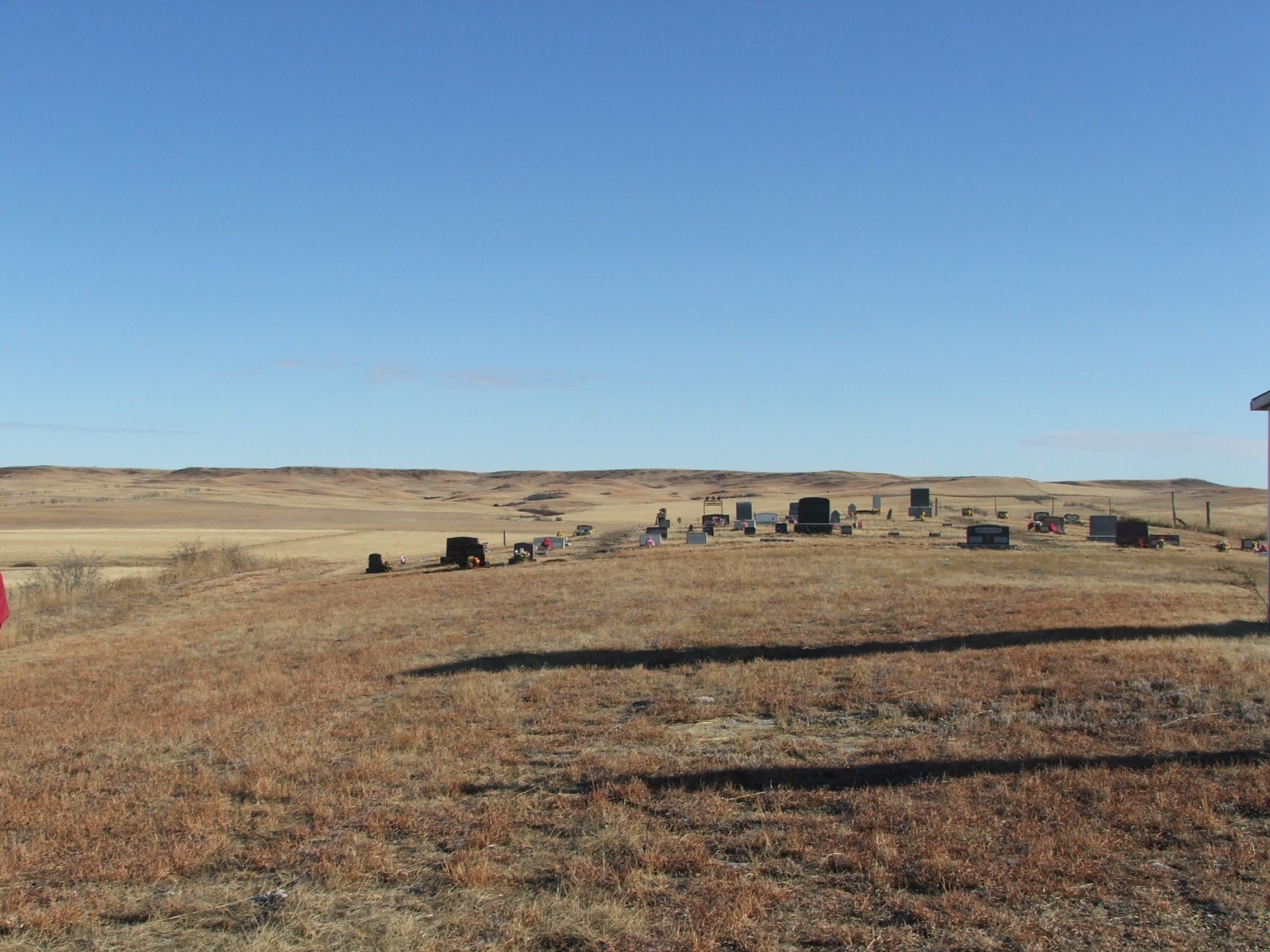
Cherry Creek with generations of family

Cherry Creek with generations of family

The labels I’ve talked about before start to surface: mom, writer, sister, wife, daughter…but those don’t say who I am. They only say what I am to others, and almost slide into defining self by what I do.

The easy way out right now is to simply write that I am the sum of all these things. That kind of feels like cheating. It also feels like a cliché and all writers hate clichés. Or should.

So whom am I? Someone who is loved. Someone who loves. Someone who also dislikes, and gets pissed, and cusses too much.

Oops. Slipping into defining by listing.

I am part of the earth, I gain balance from the places that feel like bone-deep parts of me: mountains, rivers, forests. I want to return to that earth some day, no coffin, no barriers, just part of the whole.

Dramatic sunset backdrop for dramatic words.

Dramatic sunset backdrop for dramatic words.

That sounds wonderful, but is rather dramatic. And there’s that pragmatic side of me that’s laughing at the dramatic side.

So who am I? I really have no idea. Someone who tried sandpaper to get rid of freckles so long ago that the majority of the people who remember that are gone. Someone who just realized those freckles have faded like those people.

Who are you? How do you define yourself? Please show me you would answer this.

‘Inside us there is something that has no name, that something is who we are.’ – Jose Saramago


Silverback Fir Cones

Silverback Fir Cones

What’s This About?

Recently a stranger asked me what the second book was about. My immediate thought was ‘I don’t know; I haven’t read it’. While I didn’t say that out loud, it did get me thinking.

I can tell you what the jacket blurb says. I can tell you the premise, the layers that are important to me, like family and history. None of that would be anything like what I would tell you if you asked me what a book I’m currently reading is about. For that I’d say, oh, it’s about this woman who’s doing jury duty when two guys storm the courthouse (Ransom River, Meg Gardiner) and then I’d go on in that vein. But if I asked Ms. Gardiner what the book was about and she answered in that manner I’d think, ‘great, now I don’t have to read it’ and walk away disappointed.

What makes the difference? For me, if I’m reading a book I want to share the excitement and the story. If it’s a book I’m considering reading, I want the person to hook me into really, really wanting to read, without giving away the story – something I want to discover on my own.

Looking on a new place to discover

Looking on a new place to discover

When it comes to talking about a book I’ve written, however, everything changes and I believe it’s connected to intimacy.

During the writing process I am so closely involved that the story is part of my everyday life. I’m daydreaming it, thinking about it, mentally talking to the characters, and so on. In a way it’s like being pregnant, this thing slowly coming to life inside.

After the first draft I move into editing, and then I hate the story. It’s the worst thing ever written, I’m an awful writer, why didn’t I see those mistakes (usually thought after it comes back from an editor I’ve paid), I never, ever, want to see these characters again. Almost too much intimacy. You know – the one who insists on cuddling up close and crowding you out.

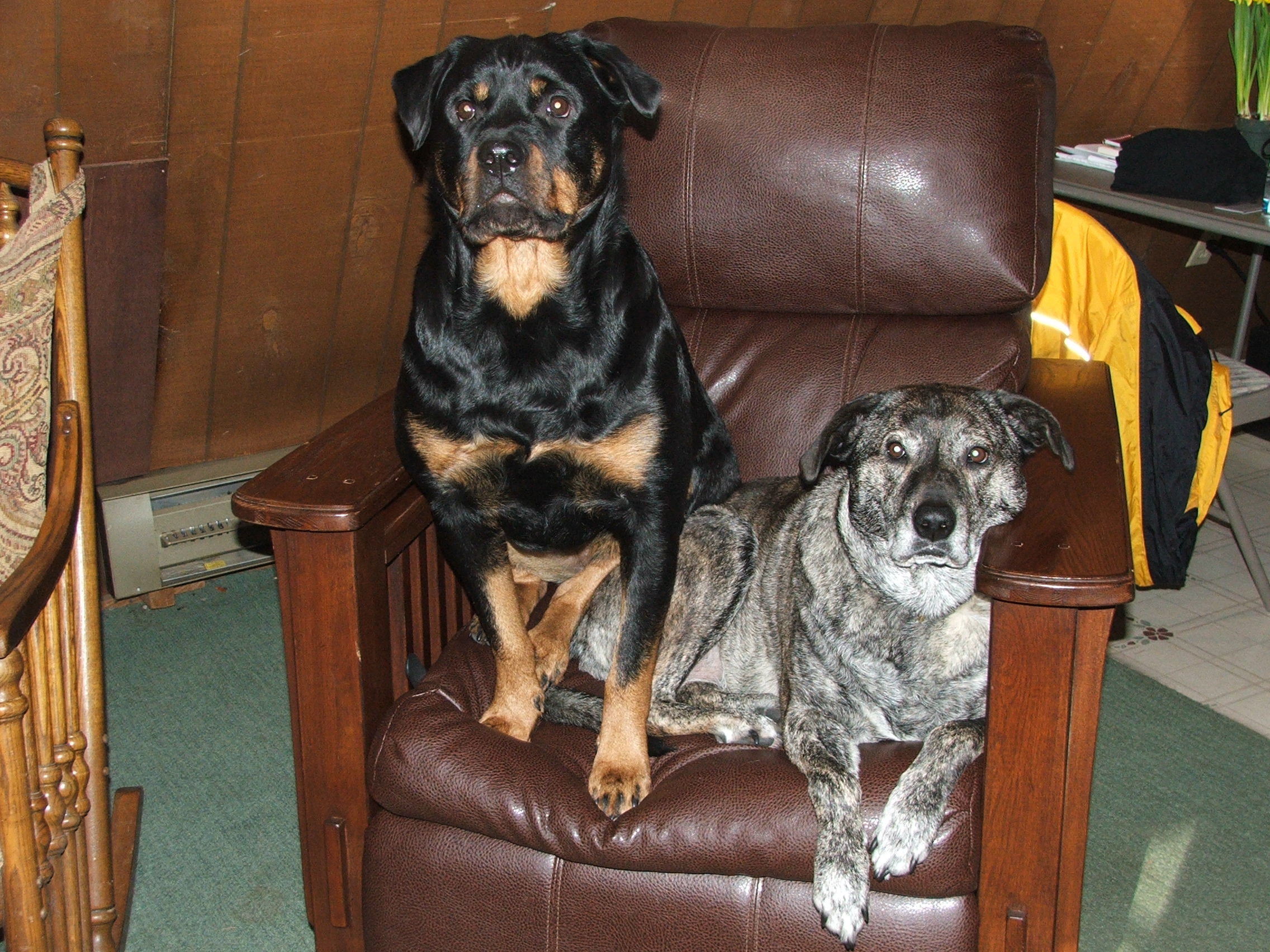
Vala and Arwen

Vala and Arwen

Of course the editing phase passes, you realize it’s not quite as bad as you feared, and you let it loose into the world.

And in all that work and angst, I never read it outside of an editing standpoint. I never go back to it after it’s been published, pick it up like I would a ‘real’ book, and read it, relaxed, cover to cover. I never see it as a whole. I’m not sure I could read it without constantly picking apart every phrase. I would be afraid of finding a lot wrong. I know what I hoped to create. What I think the story is about. What I wanted it to be about.

But do I truly know what it’s about? I’m not sure I can answer that unless I go back and read it. And oddly, I find that thought a bit scary.

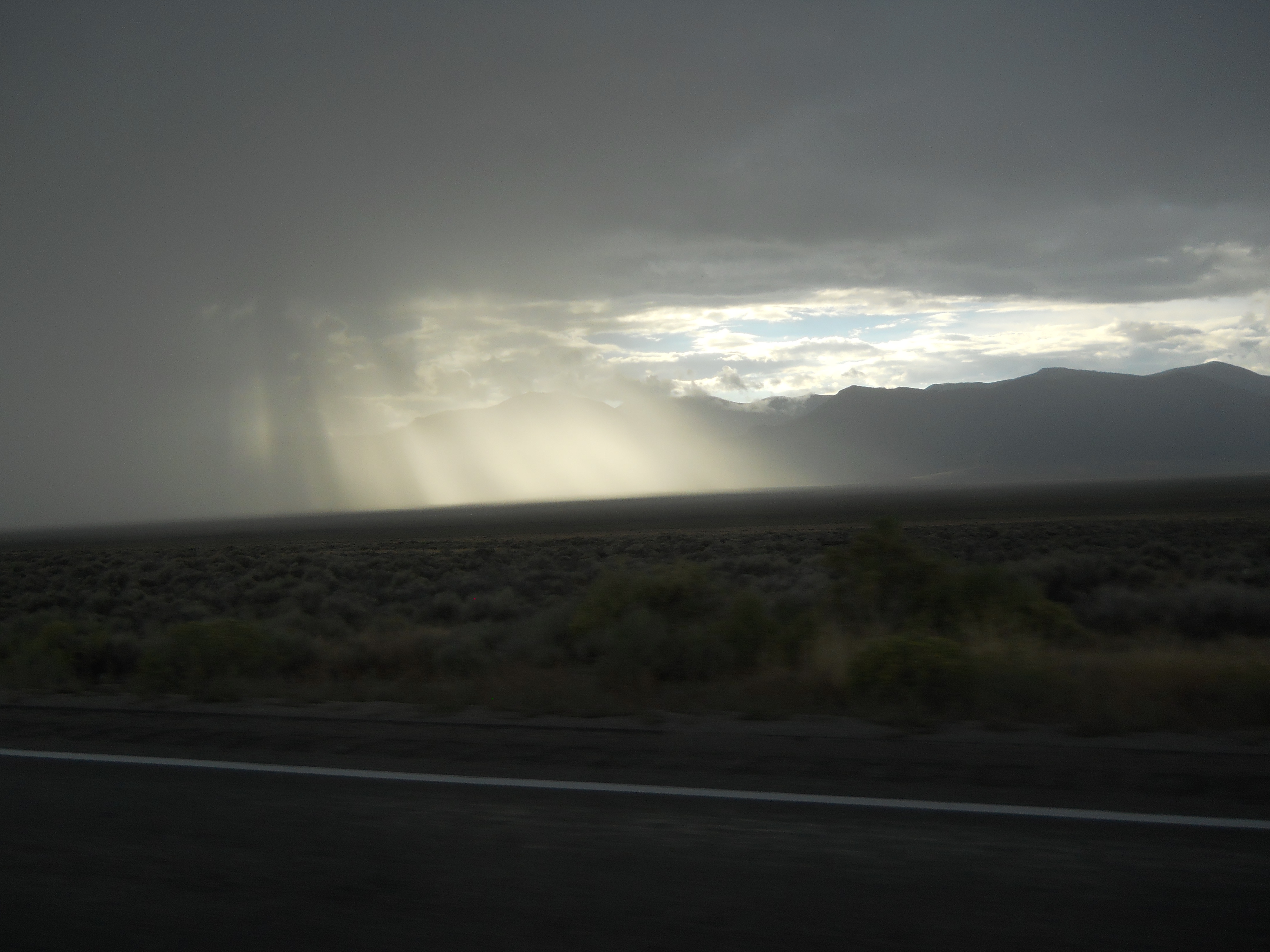
Nevada storm with scary flash flood

Nevada storm with scary flash flood