A Cold Luminary

Last night was the annual gathering in the little town I used to live in. I’ve written about this event before, but here’s a bit of background first, for those who are new.

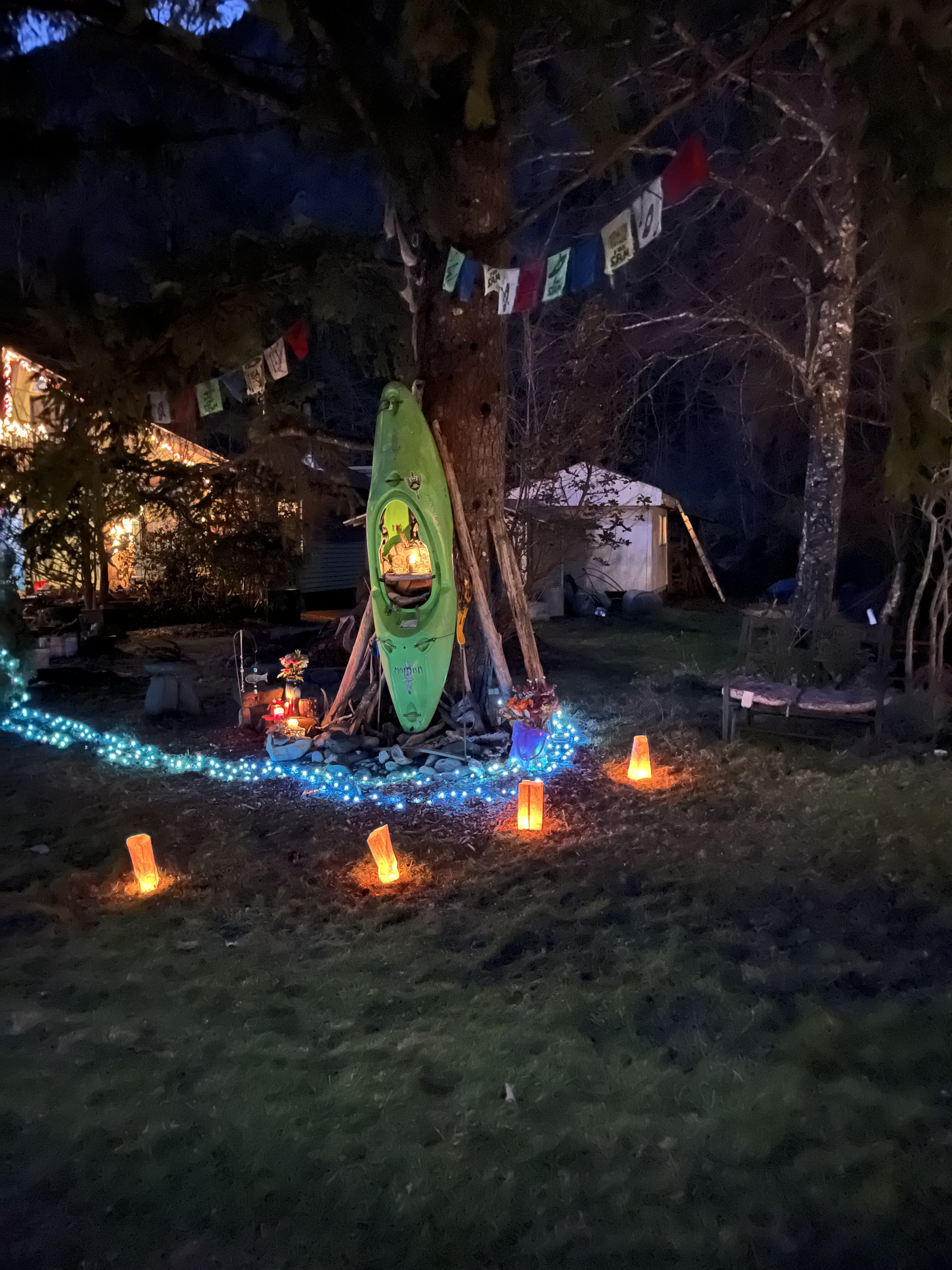
Back in 2018, a young man by the name of Sam Grafton died. If you would like to see a small glimpse of who he was, go to YouTube and watch a video called ‘Tumwater Solitude’. Obviously it was a horrible time for family, but something wonderful happened that is a testament to a tiny town and the people who live there.

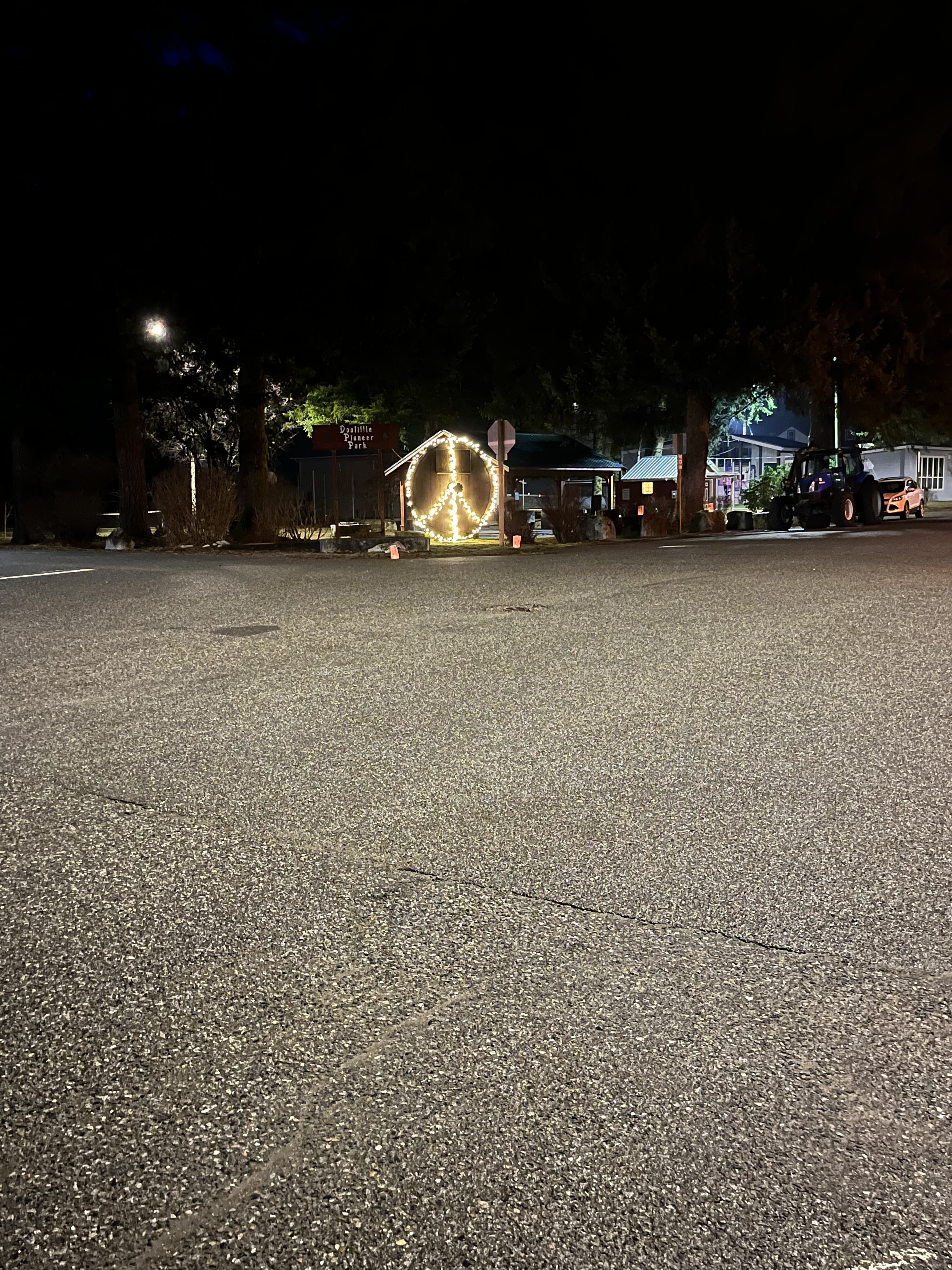
The first anniversary, people gathered and lit luminaries, setting the candles all along the bridge and streets and around his memorial bench. There was no set program, just an evening of walking among the candlelight and friends.

Since then, it’s become a regular gathering, but it has grown. It’s a gathering to remember all those we have lost over the previous year, to remember those we’ve loved, those we miss, and those we grieve for.

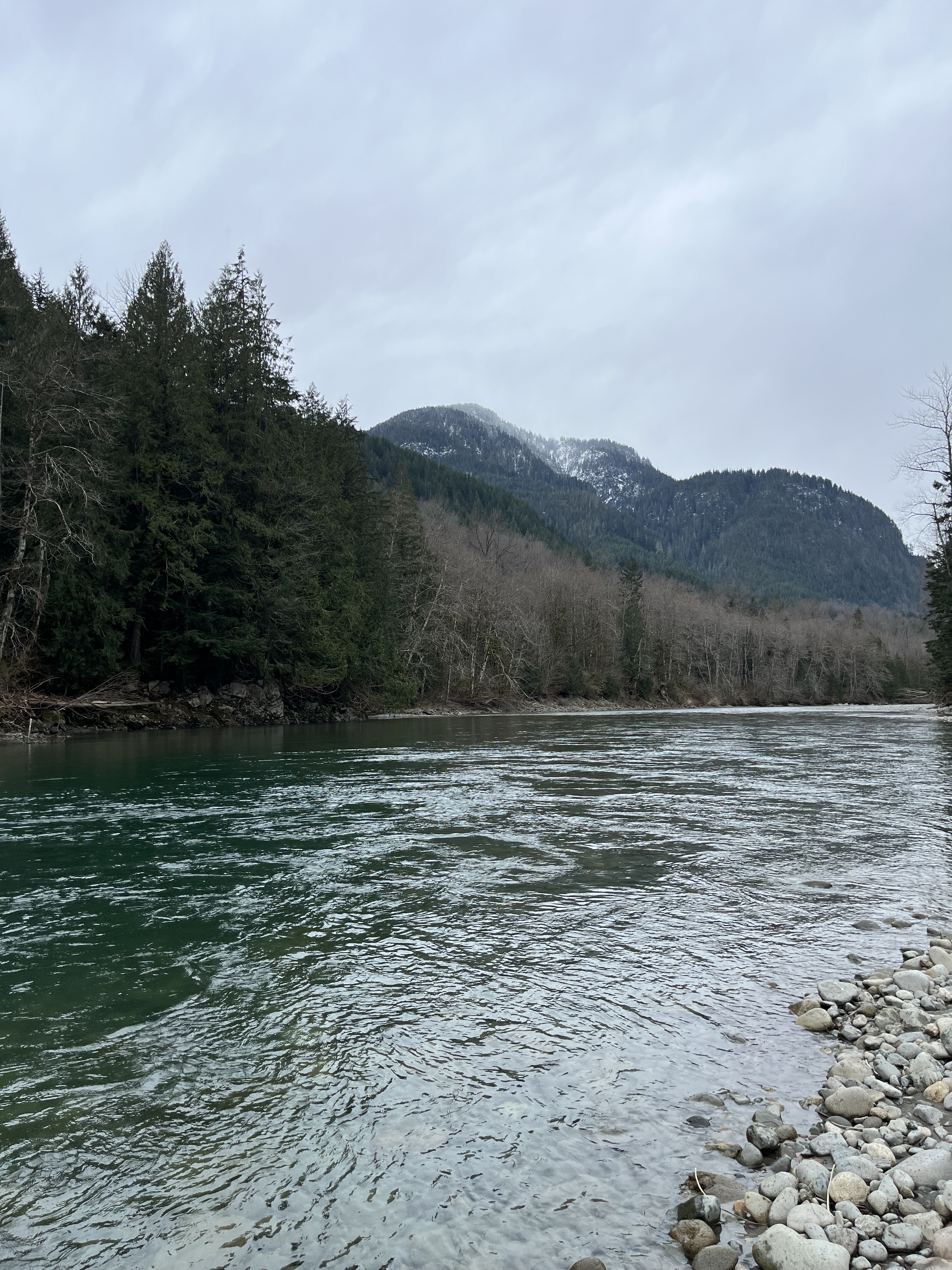
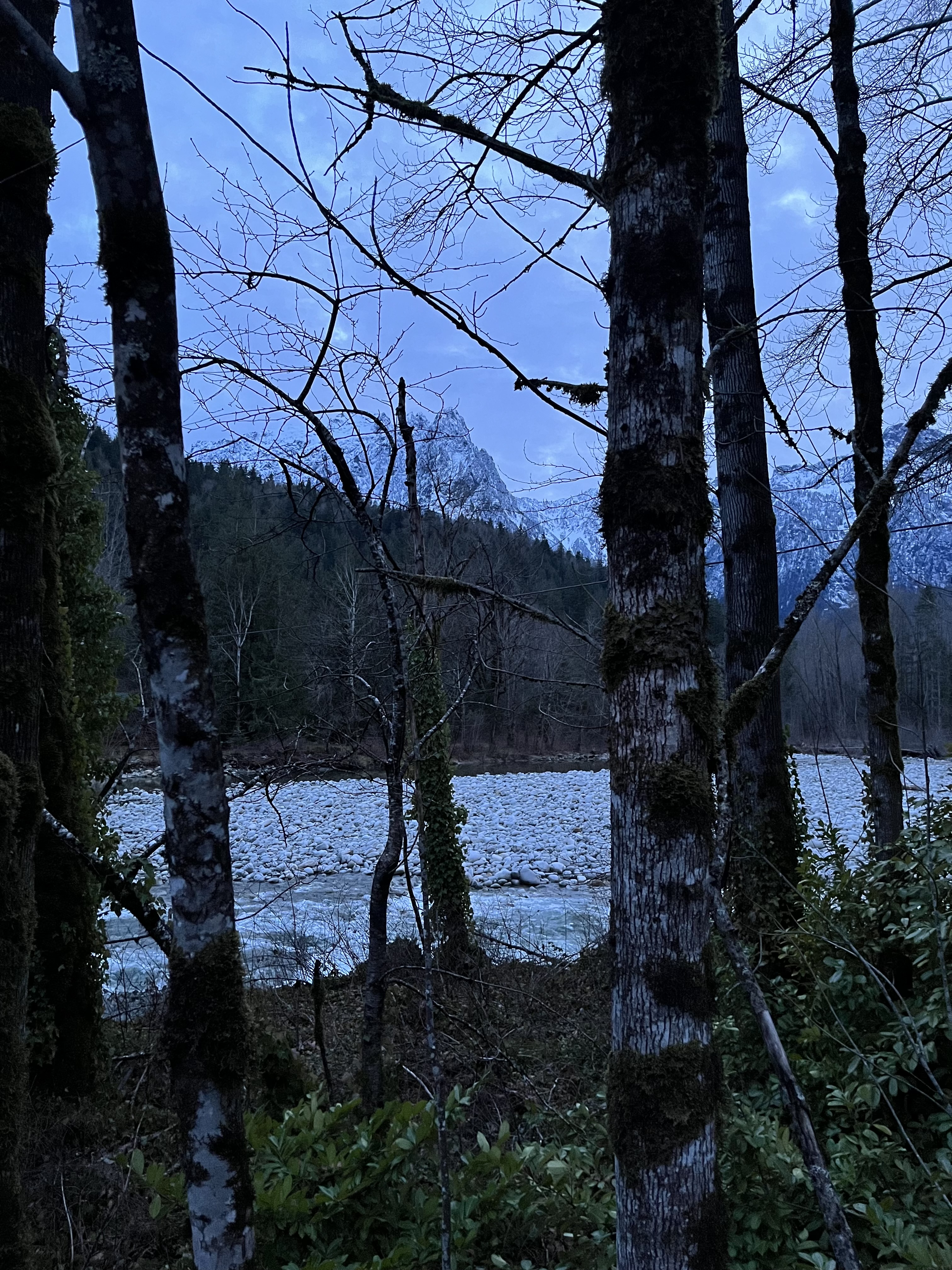
Yet at the same time, it’s a time to laugh and catch up, to visit with people we may not have seen in too long, to enjoy the sound of the whitewater river, the view of mountains and forest, and to simply wander around the town. It’s a community gathering, and yes, there is sadness in our memories and our loss, there is also a lot of laughter and hugs. There may, or may not, be a story floating around involving a golf car with a dying battery doing extremely slow donuts in an intersection one year being loudly cheered on by locals.

This year, it was thirty degrees (F). Cold. Really cold. Frosty and clear and a sickle moon so stars were out. I think my new hearing aids froze because they sure didn’t want to come out when I got home. Everyone was bundled up, and the evening probably didn’t go on as long as normal. I know I lasted an hour and didn’t ride in any golf carts.

Not to sound corny or anything, but my soul was warm when I left. Isn’t this what community should be? I’m not saying this little town is perfect. There are always conflicts and drama. But when people come together it brings home to me what is lacking in so many places.

After too many news stories, too much exposure to all the awful things in the world, I needed to go out into a chilly night, breathe in fresh air, hug friends, rest by the candlelight, laugh with those I love, and remember.

Thank you, Sam.

Along the Borders

The wonderful book Once Upon a River, by Diane Setterfield, opens with the lines ‘Along the borders of this world lie others. There are places you can cross. This is one such place.’ As soon as I read that opening I knew I would love the book. It’s an amazing story that is a mystery, a fairytale in some ways, and an homage to storytelling all wrapped up together.

I also love this concept of thin borders and other worlds and it’s been growing in me for a while. It’s becoming clear that this is what I want to write, and have leaned toward in This Deep Panic and Otherkin.

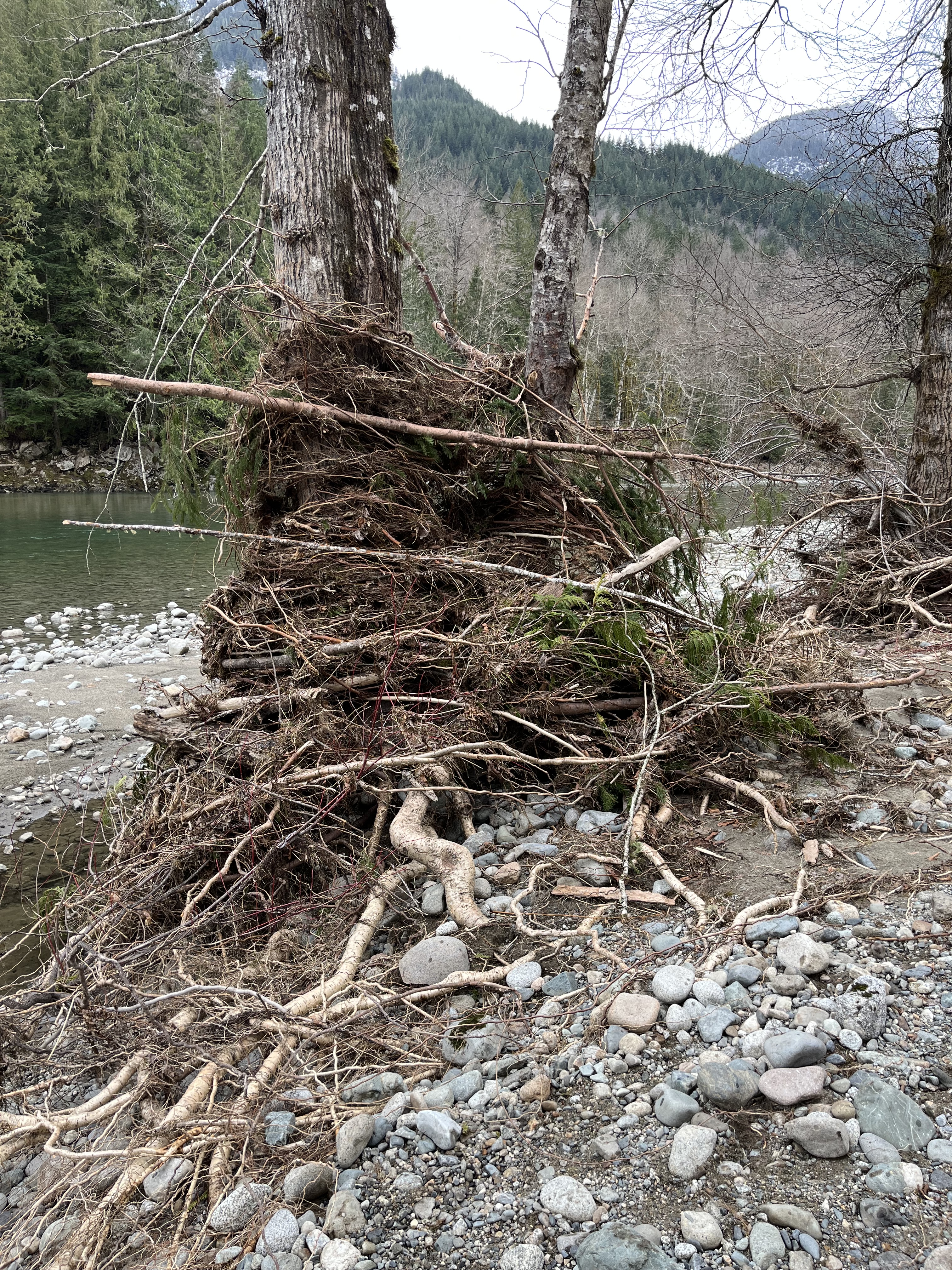
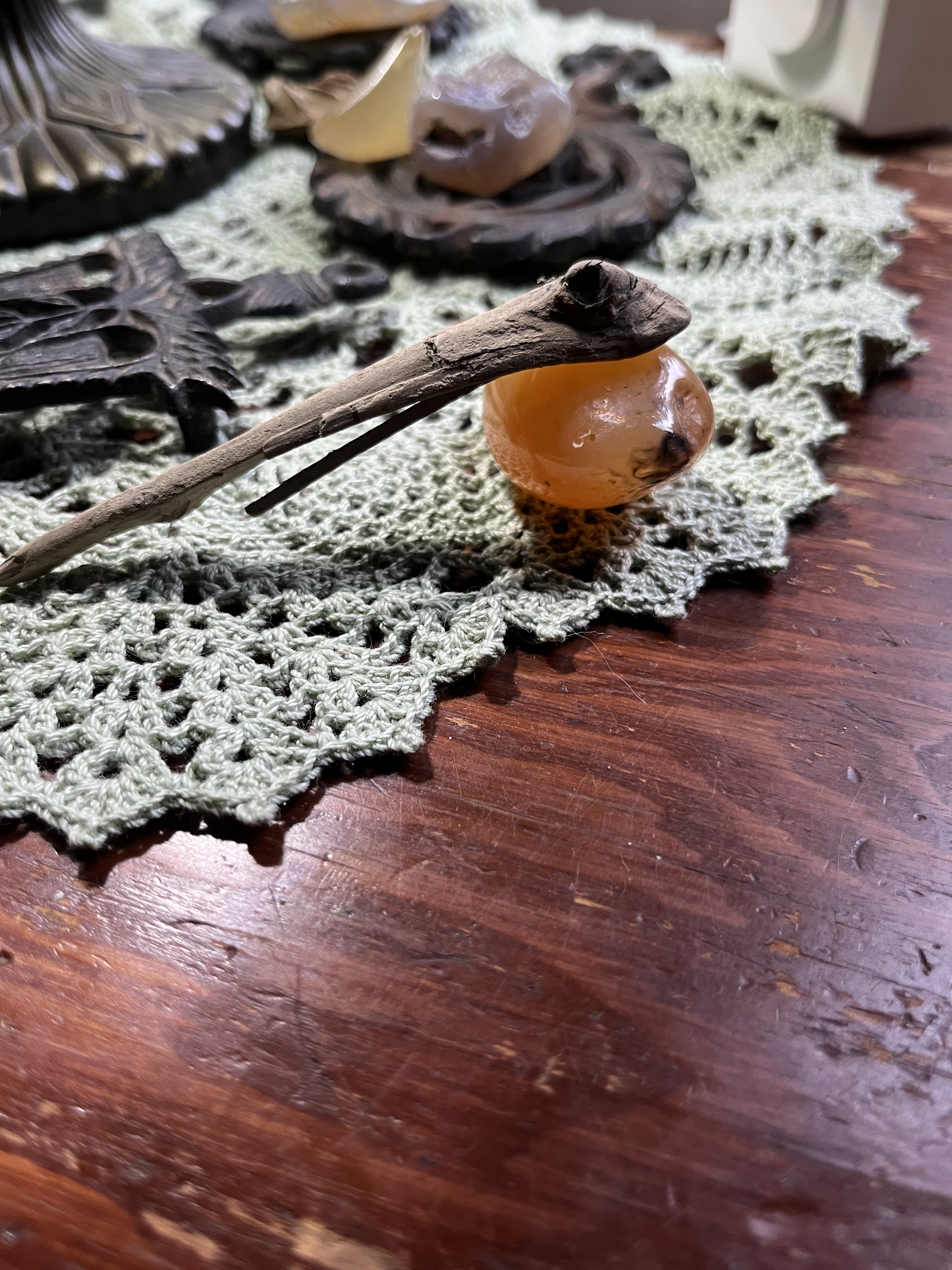
A growth on the tree or a forest creature?

I love also the question of what is real and what is not – and if not, who says so? Who has the right to say what is real and what is not? I’m not talking science here, obviously, as proof of what is real. I’m talking about myth.

Times change, our understanding of the world changes, and legends change, but at one point in time, that story was very real to the people who lived it.

I also am intrigued by the idea that our hearing and sight only make up a tiny spectrum of sound and seeing. The theory is that this means there is much more around us than what we are aware of. So, again, if someone sees or hears something not there, who are we to say it’s really not there?

Is your imagination starting to take off right now?

I want to write stories that look at those questions but I’m not sure how to go about it. I don’t yet have a story structure that supports the idea and I’m not a good enough writer to accomplish this. Yet.

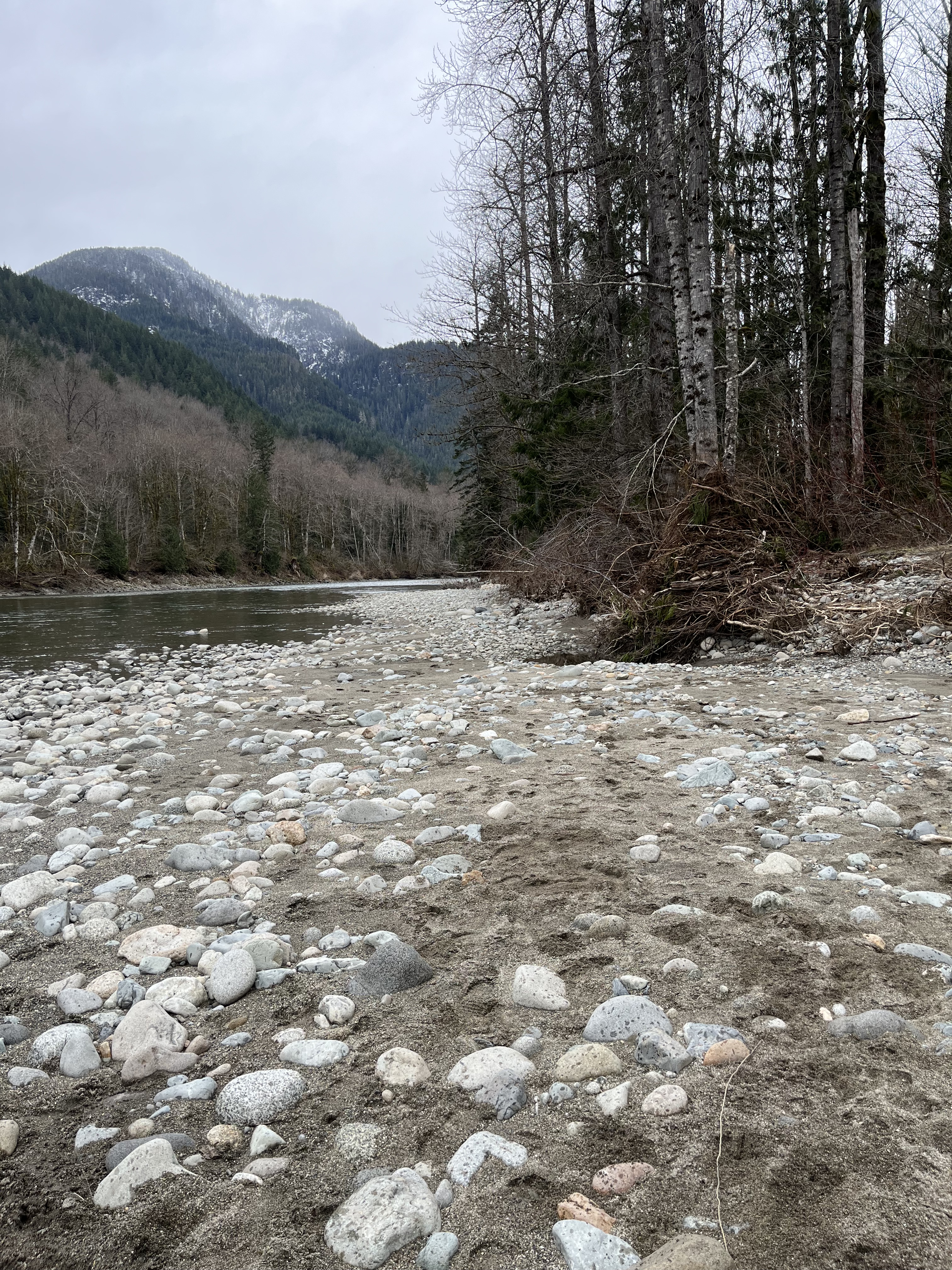
Is there a path up there or not?

But, wow, so many stories could come, and have come, from those questions of what is real and what isn’t, what is true, what was true, and why it’s no longer true.

I’m reading a book right now called The Lace Reader and it’s a mystery but also takes what you believe about the story and turns it upside down by the end. So many books do that, especially mysteries, and I don’t normally like to be tricked by the author. I dislike that whole ‘it was only a dream’ style of ending something. The Lace Reader is more subtle than that but that kind of misleading the reader isn’t what I mean here by asking what is real and what isn’t.

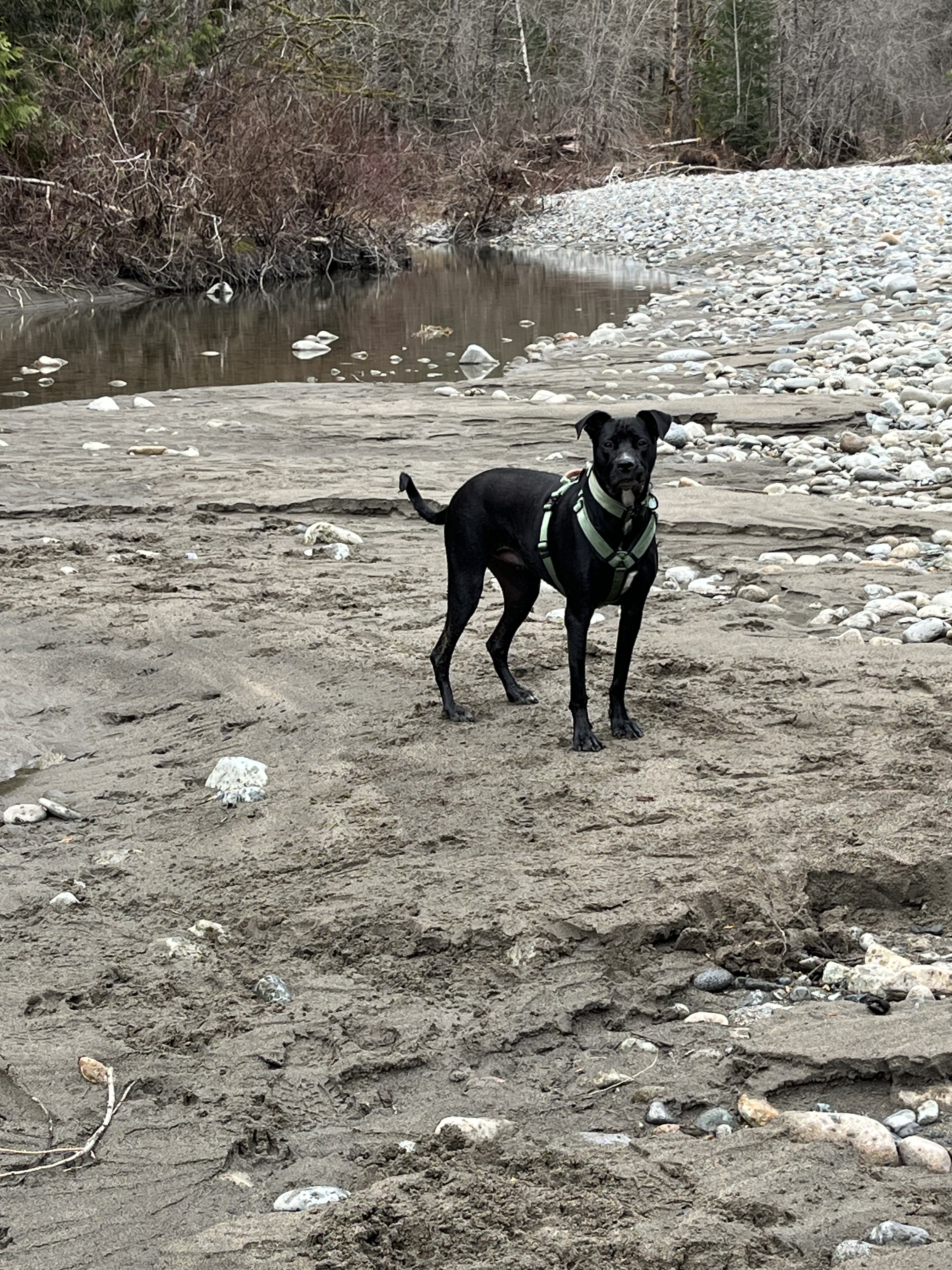
Are there legends out there or not?

I don’t want to be tricked. I want to be left wondering if, just maybe, the story could be real.

I guess what I want is the magic of a fairytale.

How Do You Tell a Story?

A friend and I were talking recently about the stories we tell over and over throughout our lives. She wondered about how some people will tell those stories almost verbatim each time. No matter who they are telling the story to, or how many years have passed since the event, the telling of it stays exactly the same, word for word.

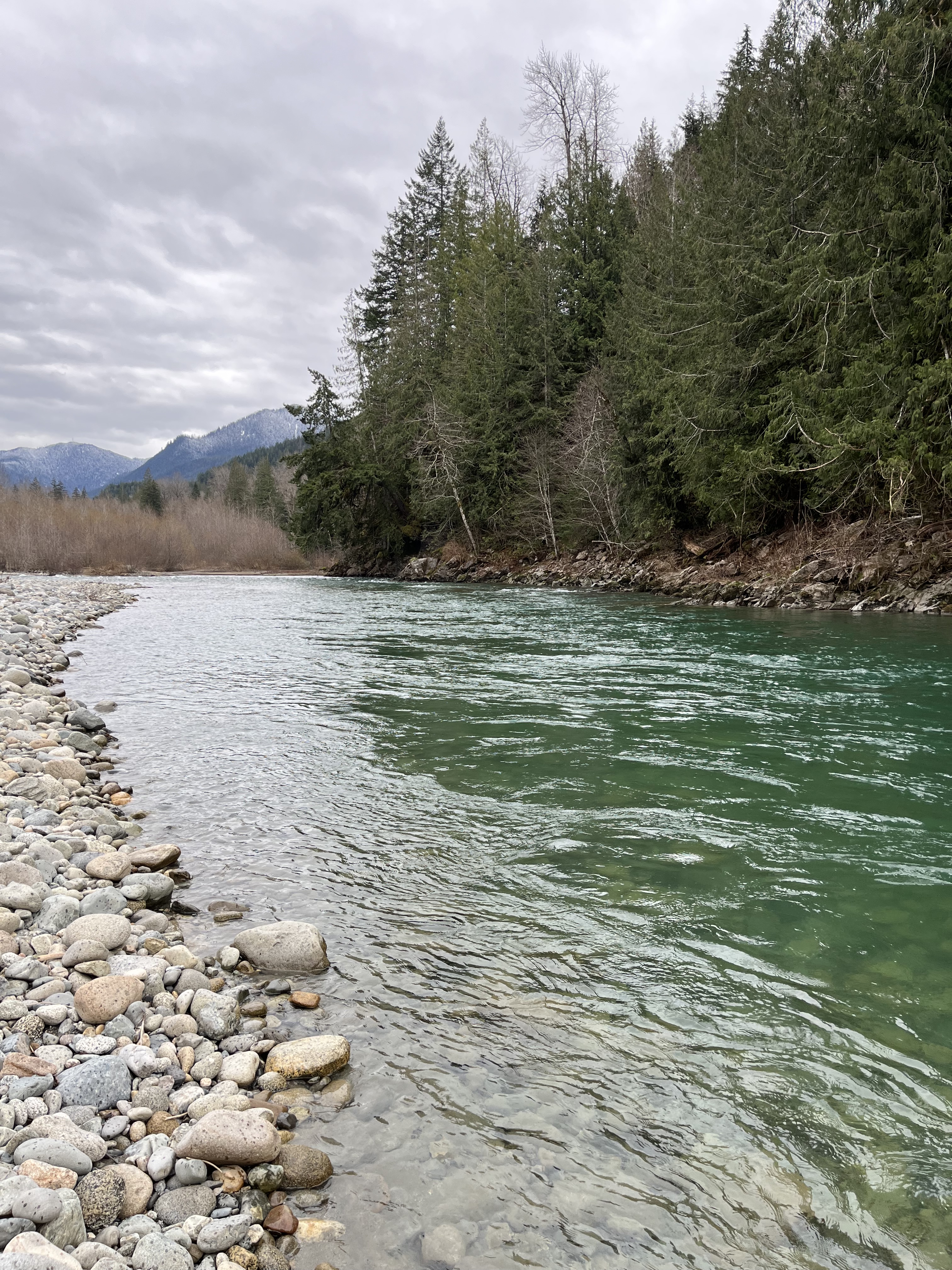
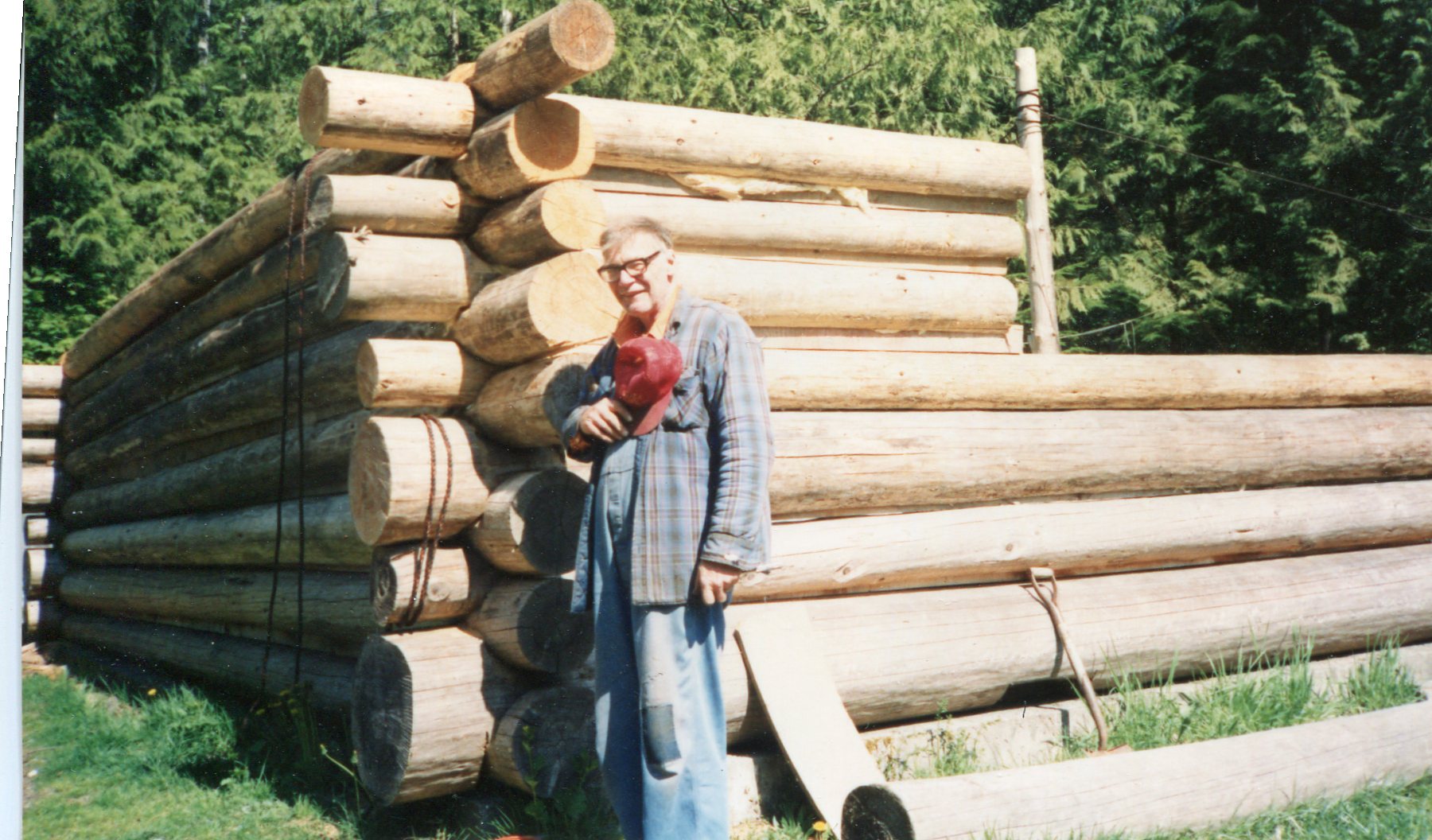
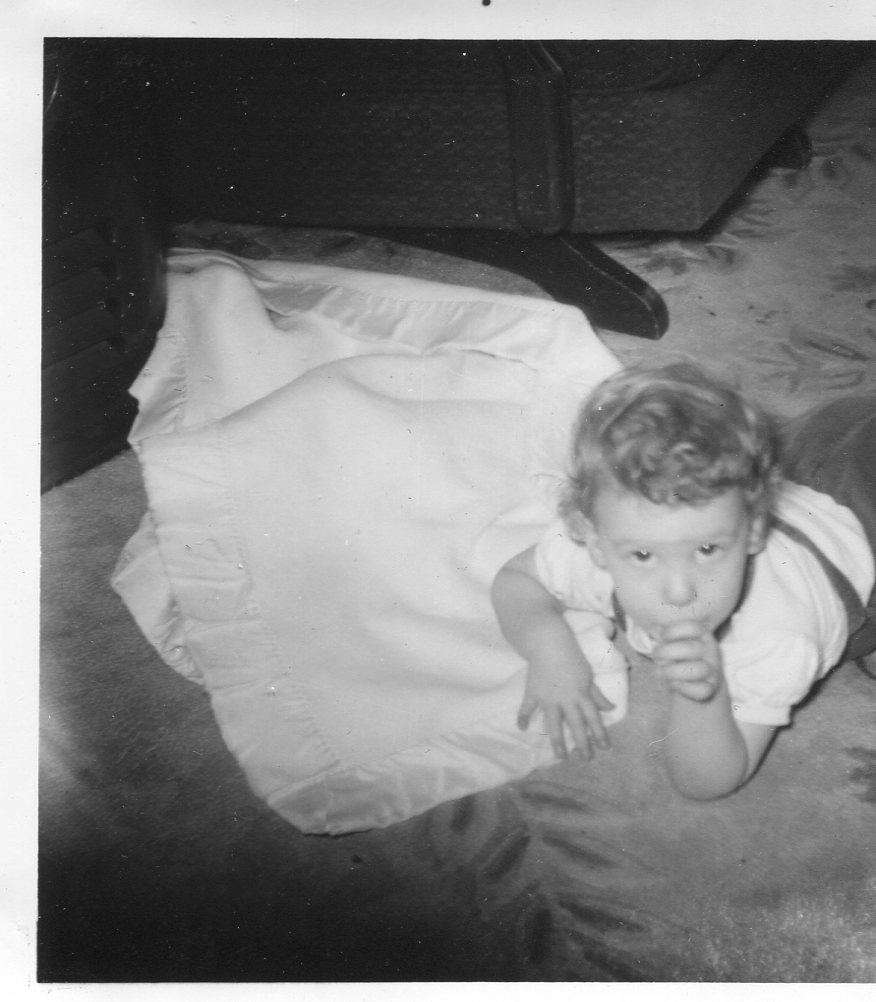
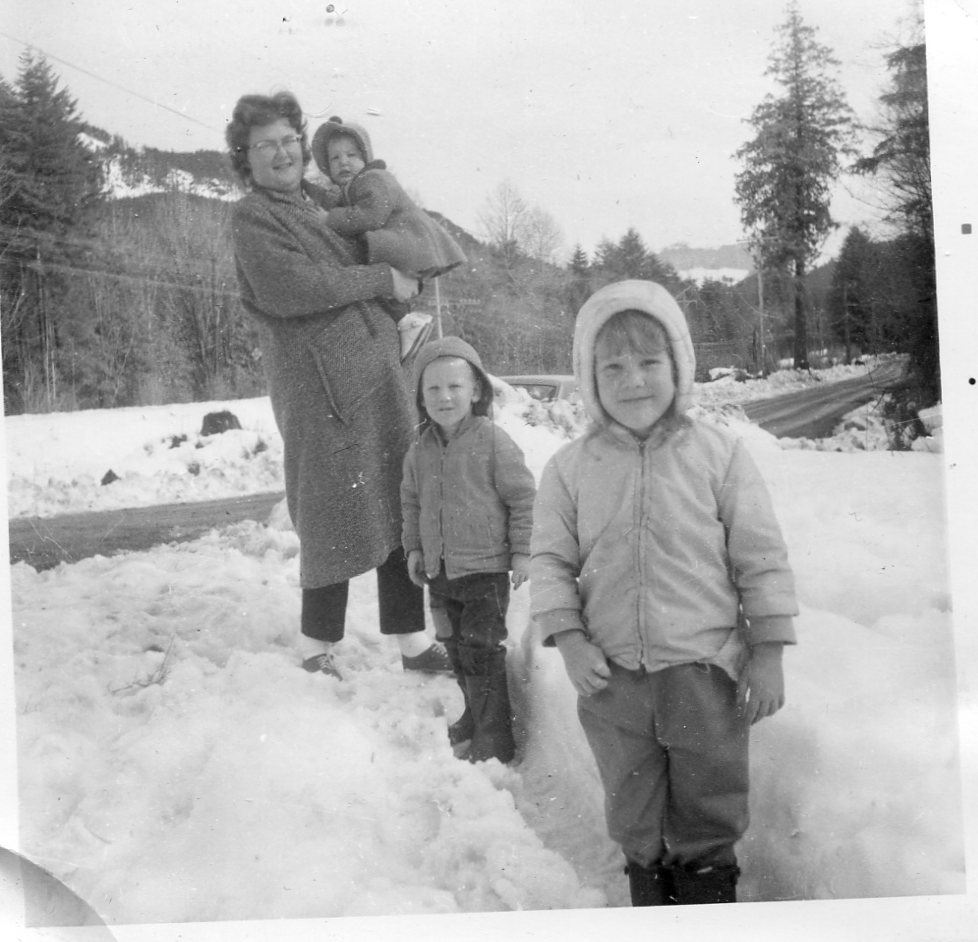
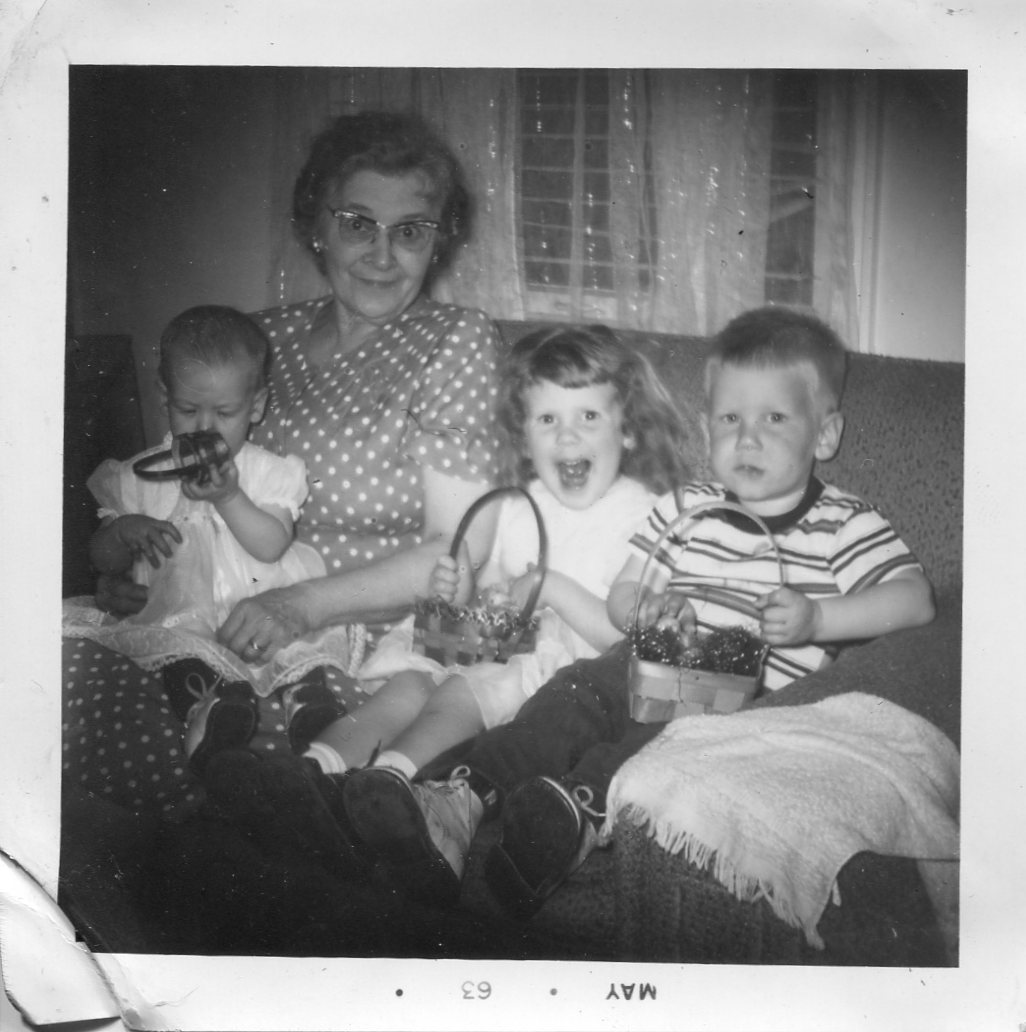
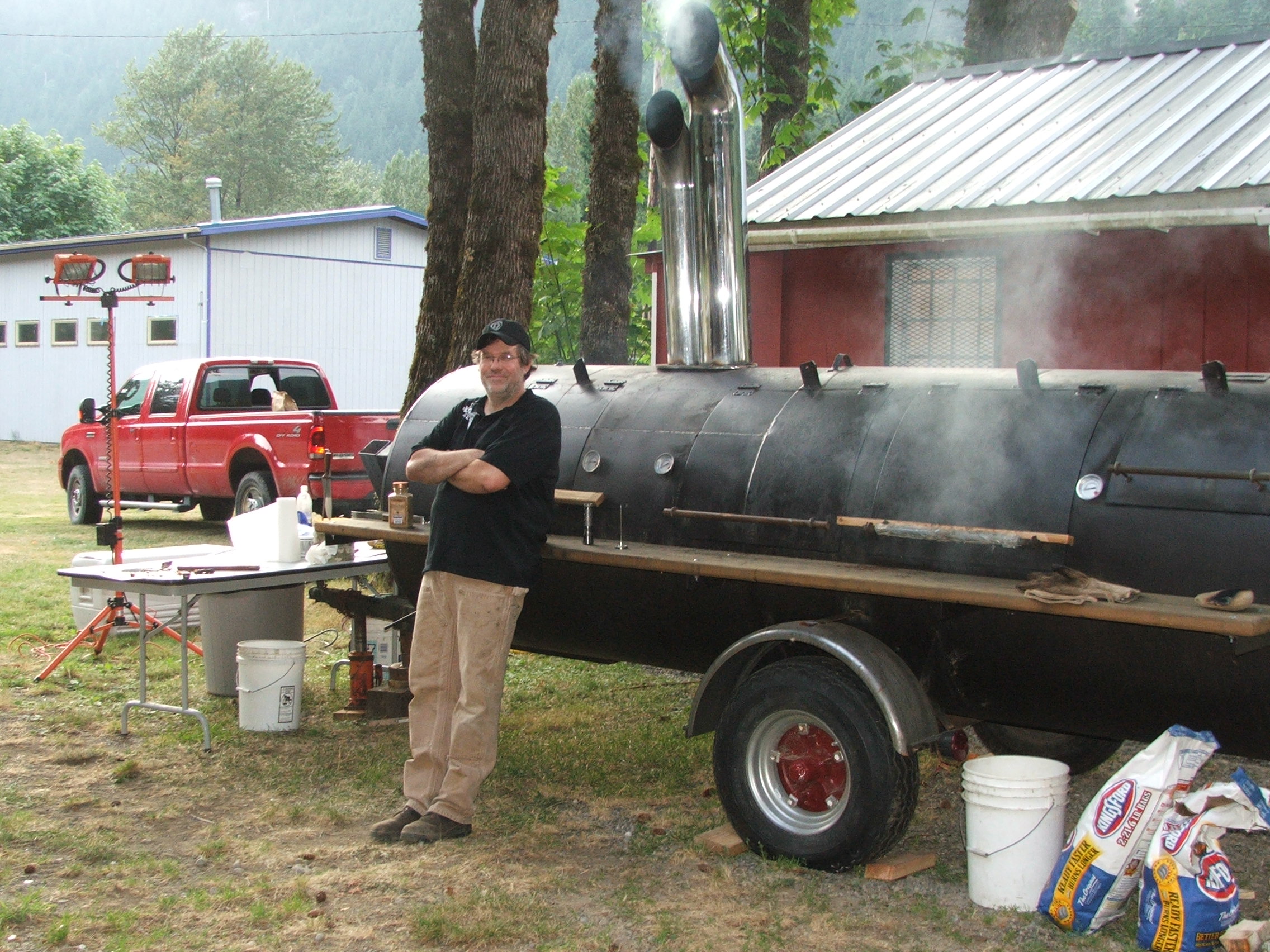
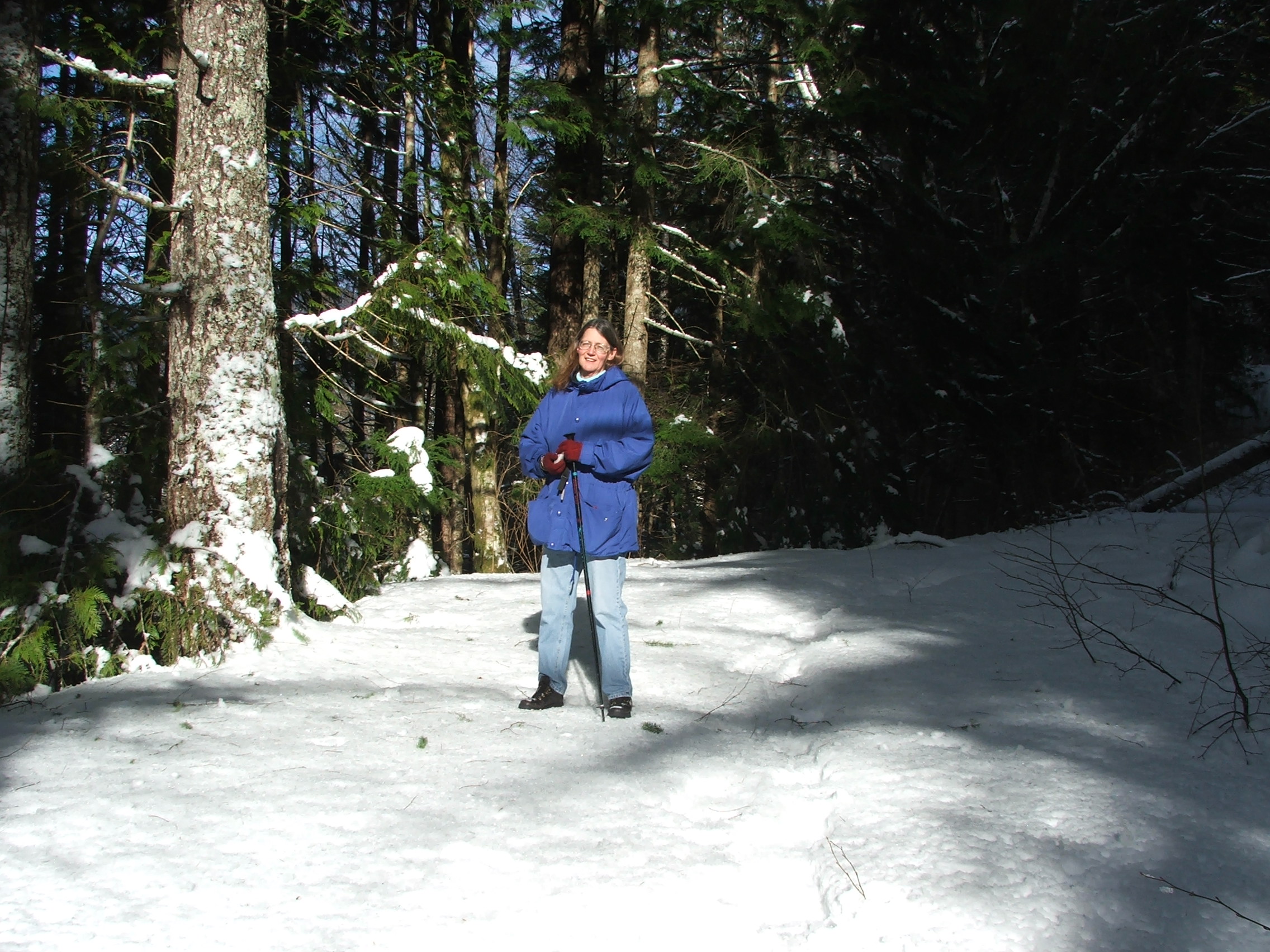
(All of these photos have good stories behind them)

I was surprised by my friend’s surprise though, because to me, that’s normal. I told her I wouldn’t be surprised if all writers didn’t do that. Because what we are telling exists as a complete, finished story. Editing and revising are done, if they ever happened. The cause of the story exists fully formed and changing it with each telling would mean being unfaithful to the story.

She understood that but questioned the oddity of retelling in such an exact way. She wondered if it was a way to create an oasis in a crowd, a way to be isolated or protected by the familiar, when in an unfamiliar space.

Well, yes. Of course it is.

The story is known. The rendering of it has been practiced, rehearsed, delivered. The responses will be understood. Writers are observers, after all, and I’m willing to bet most are not typically comfortable in a crowd. And in situations where you don’t know what to say or how to fit in, stories are there to help.

I’d never really thought about this until my friend brought it up, but she is right. When I tell someone about something that happened, I not only use the exact same words, but even the same tone of voice. Maybe it is unusual and I just never knew that. It makes me want to listen to the stories friends and family tell, to search for variations.

Even as I think about this though, it makes me almost cringe. Variations aren’t just shifting the way you tell a familiar story. Variations change it forever. How many variations will it take before you no longer know what the true story is? My husband will say I elaborate, but even if I improve a story, I retell it the exact same way.

There may be safety for a writer in repeating the same story, but there’s also value in passing it on intact.

So how do you tell a story? Think of one that has traveled in your family for years. Do you repeat it the same as another family member or does it change with the speaker, or with the telling? Does it make you question what the true version is? Is their version their truth? That brings up the whole conversation around how people in the same situation can have completely different memories of the event later.

But now I’m losing the thread of this story. If I’m not careful I’m going to have to go back and change it.