I am always intrigued by where art intersects, by the similarities and differences in how we create, and in what mediums we choose. One of those mediums that I am very bad at, is photography. A good friend of mine gave me a nice camera but I still struggle to produce photos. The camera is very forgiving and takes my poorly framed shots and sometimes makes them look good. I keep practicing and hoping.
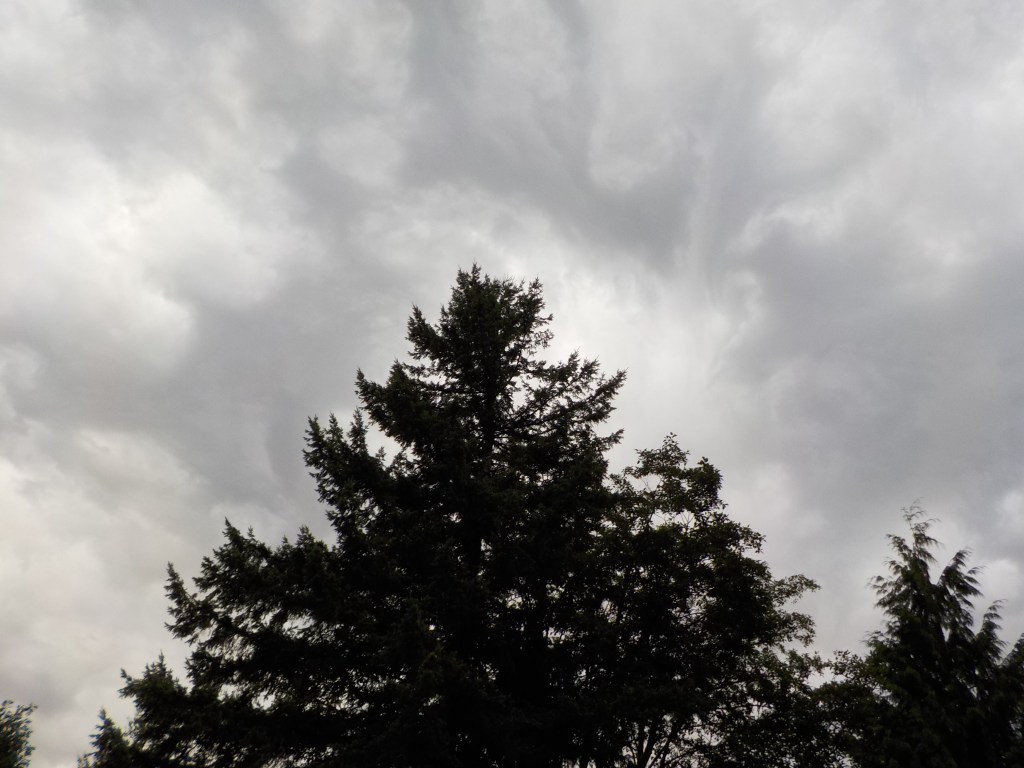
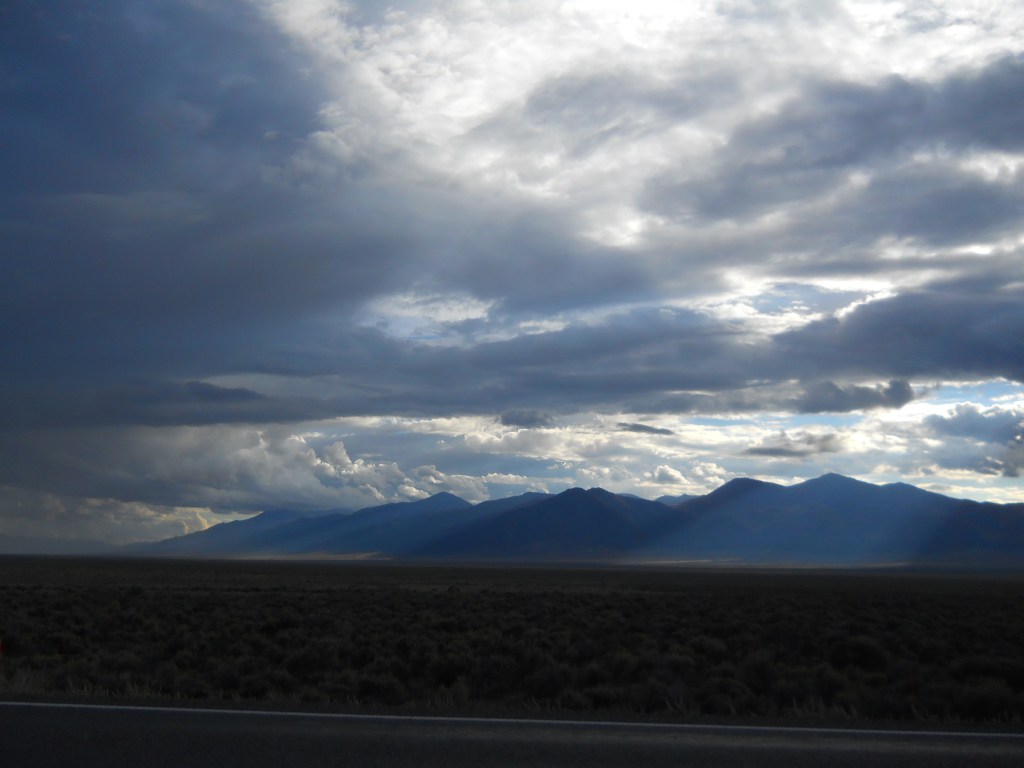
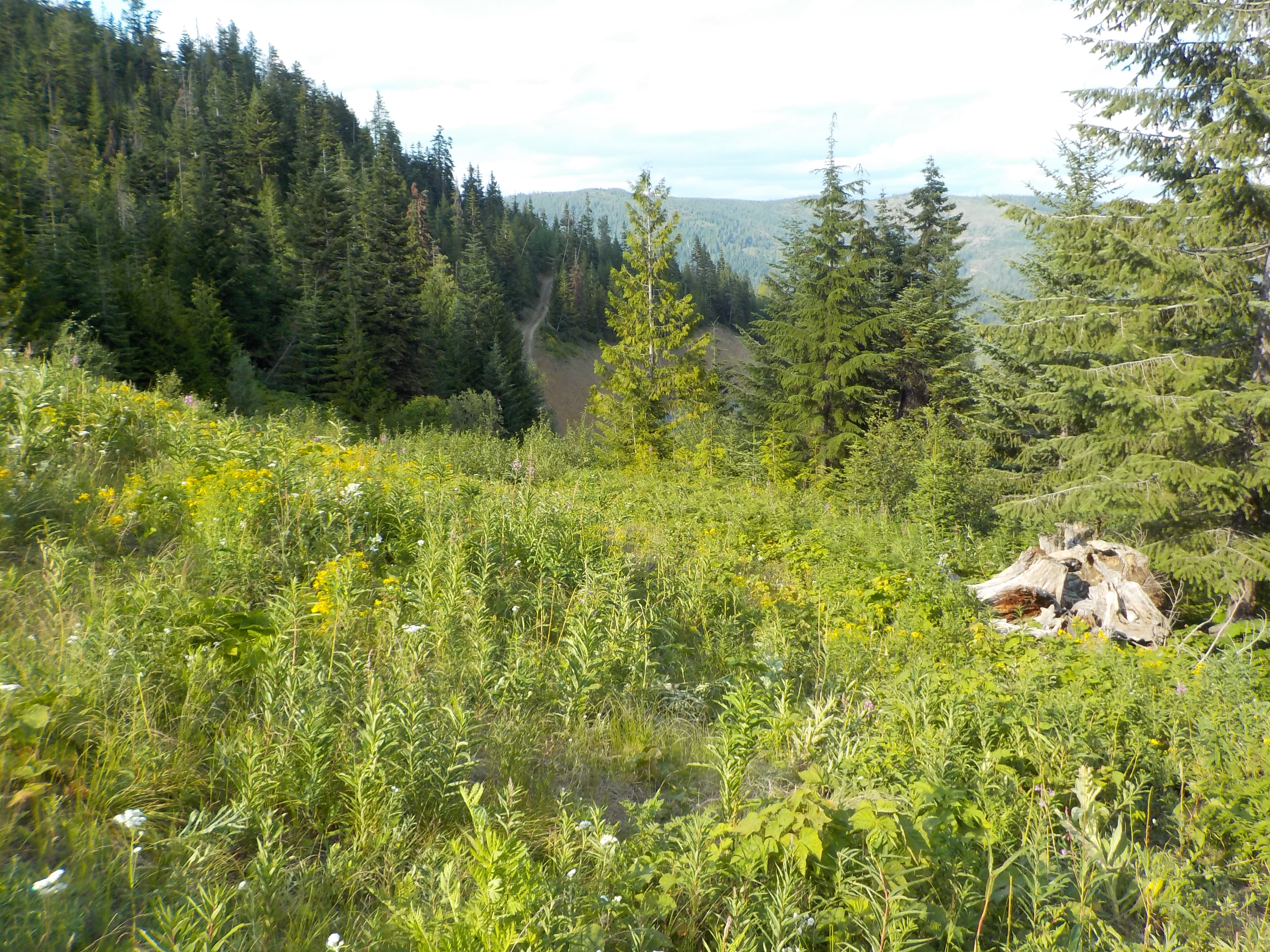
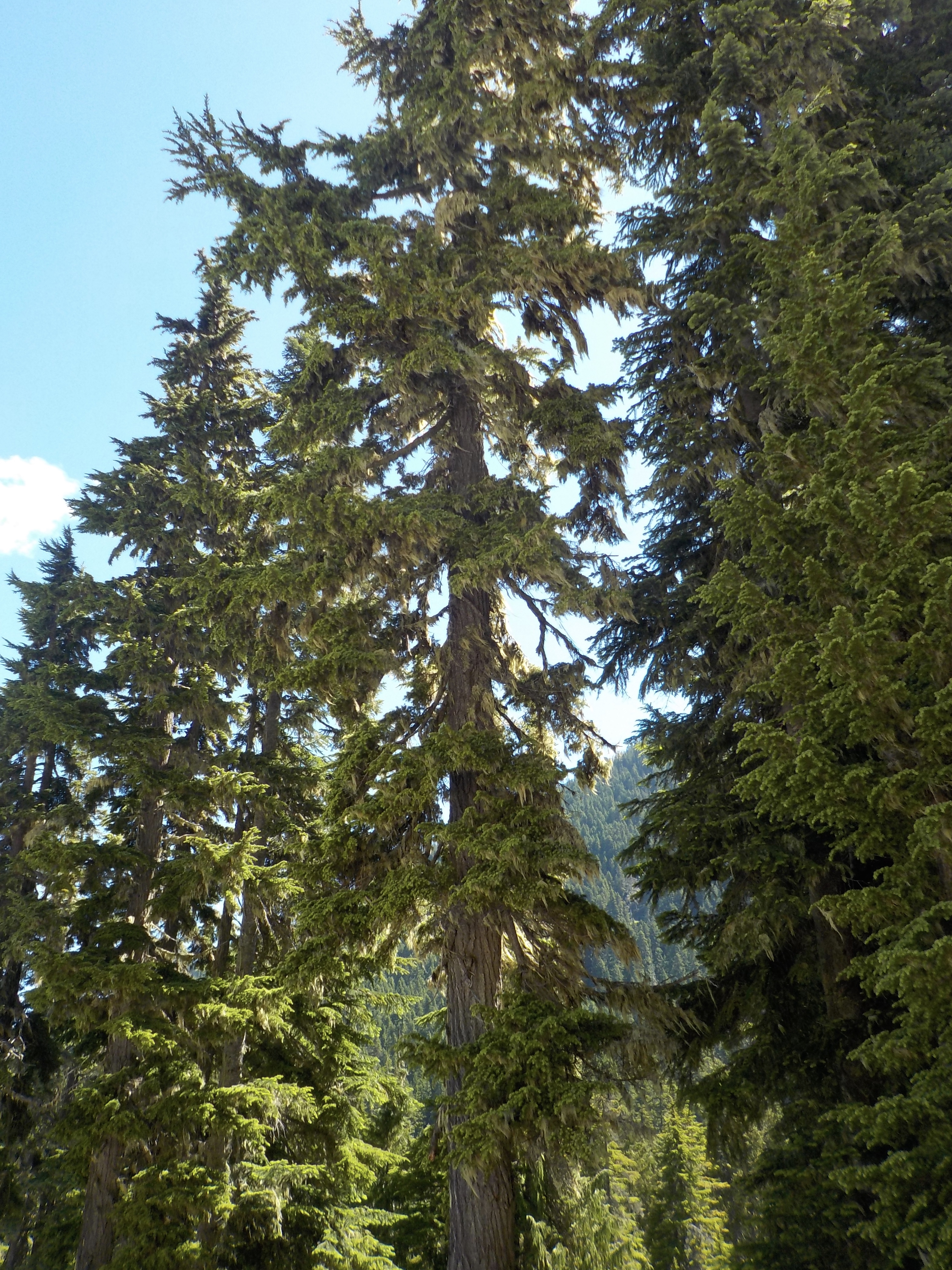
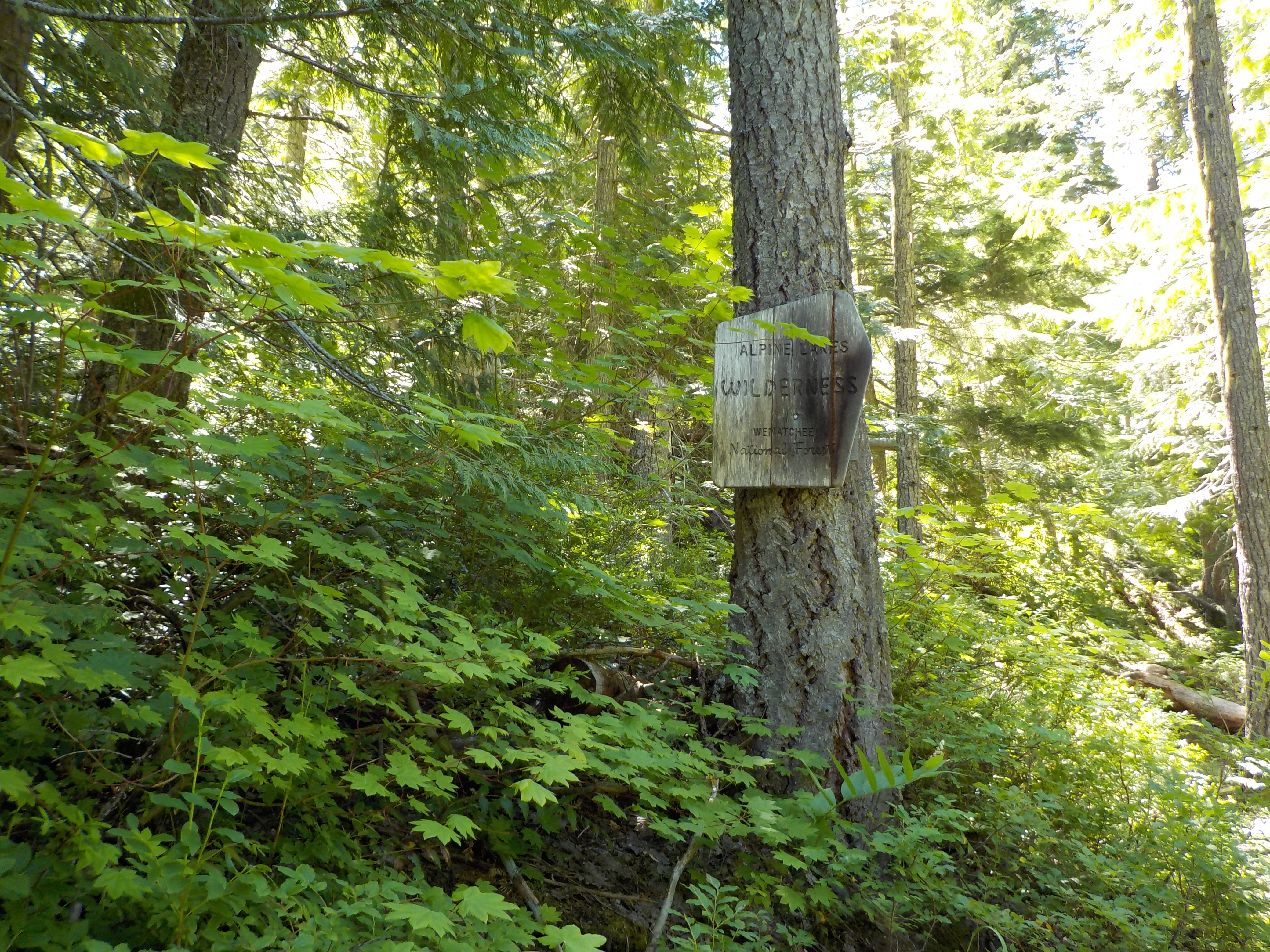
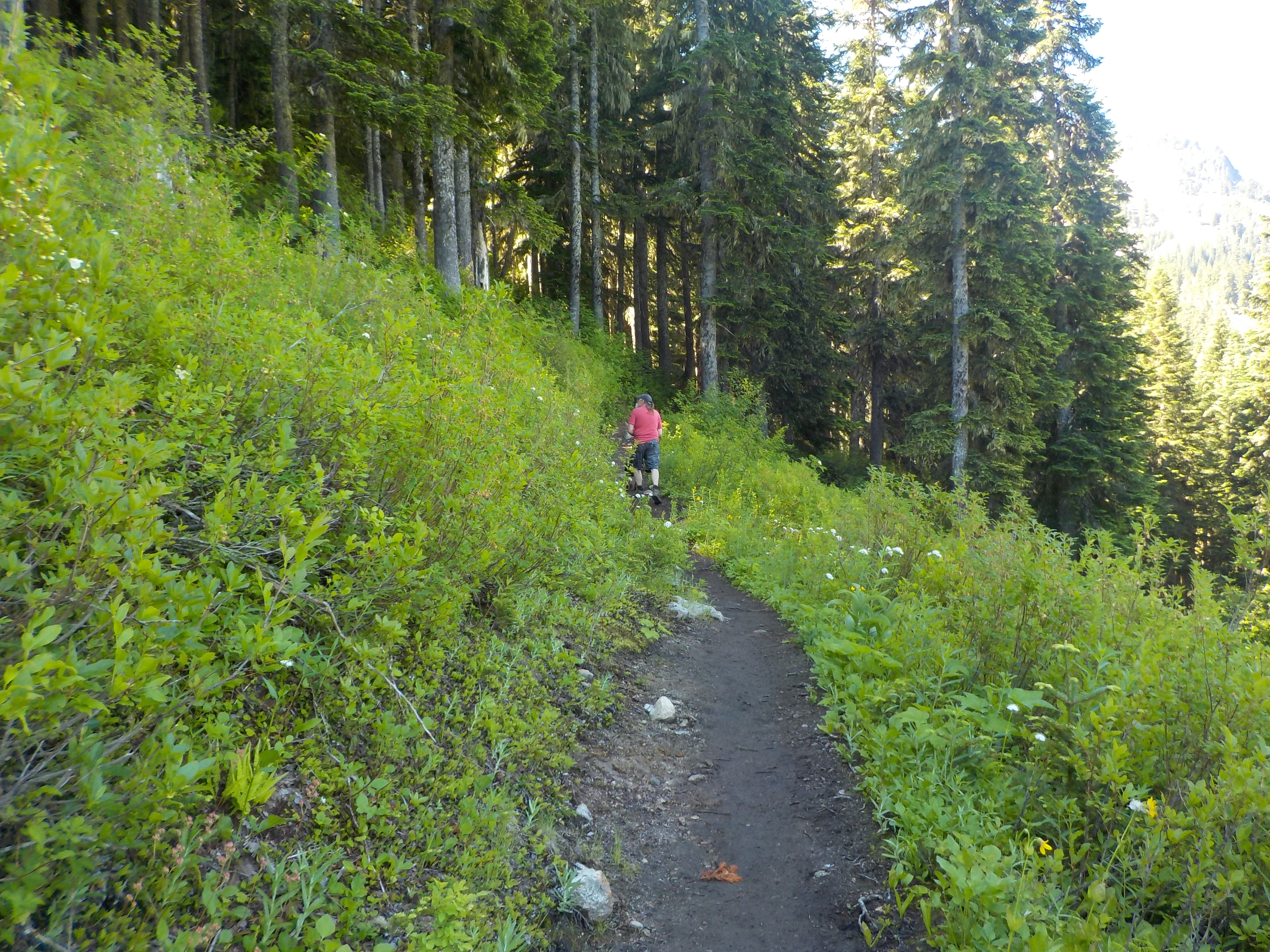
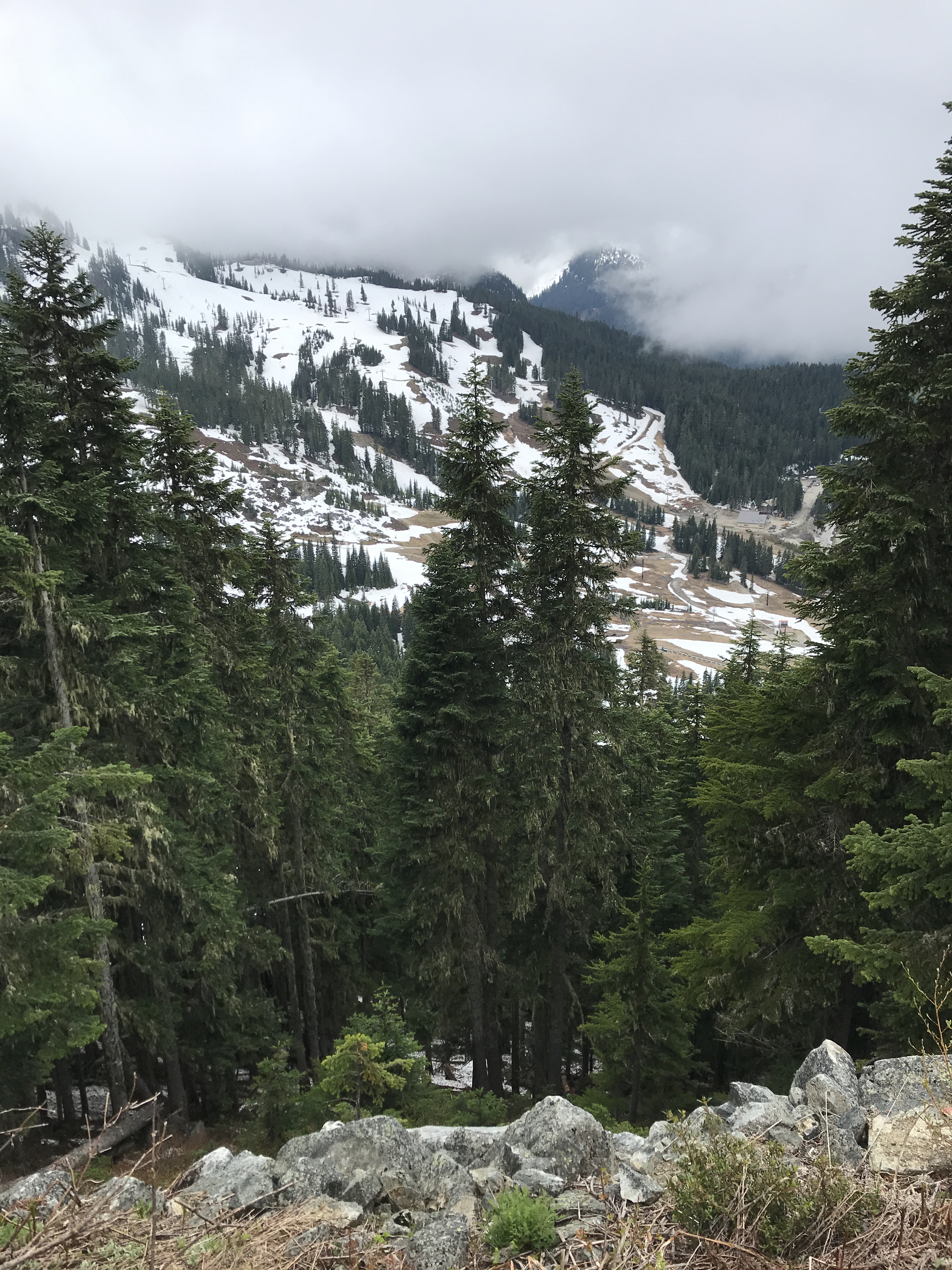
That same friend is an amazing photographer, so I thought I would ask him a few questions. Please note that the photos in this post are the sole property of Bruce Albert and cannot be downloaded or used without his permission.
I hope this conversation will inspire you to head out into the world and take some pictures.
For a bit of background, what intrigued you about photography, and how did you get started?
Like for the rest of my generation the camera was kind of a big deal, hauled out on birthdays and holidays to take posed pictures of dressed up kids. When I started hiking and climbing I was fortunate to get a Kodak Instamatic which I lugged everywhere. Shot volumes were so low then; a twelve exposure roll could do for a week’s trip. Somewhere in there I developed both a passion and something of an aptitude for it. With my purchase of my first “real” camera in 1970 I was off and running.

I know you have taken thousands of photos so this is probably an impossible question, but do you have a favorite? Or one that just stands out more than others? If so, why?
I checked just now. I have 7,600 scanned Kodachromes representing about twenty-five years. In the digital department I have about 80,000 images that are “mine” and another 40,000 of so of ski racing…all from just another twenty-five years! These fall loosely into various genres, e.g. landscape, candid portraits, travel, and such. Within each genre there are a fairly small number that stand out as favorites, but I can’t think of an instance where there is a single favorite. I can’t assuredly state ‘why’, because it’s so subjective, and because I don’t have a single photograph that I view as perfect. There are always flaws, and my favorites are the ones with the fewest flaws. Thinking about answering your question just now I realize it’s the (absence of) negatives that rule my judgment as much, or more so, than the preponderance of positives.
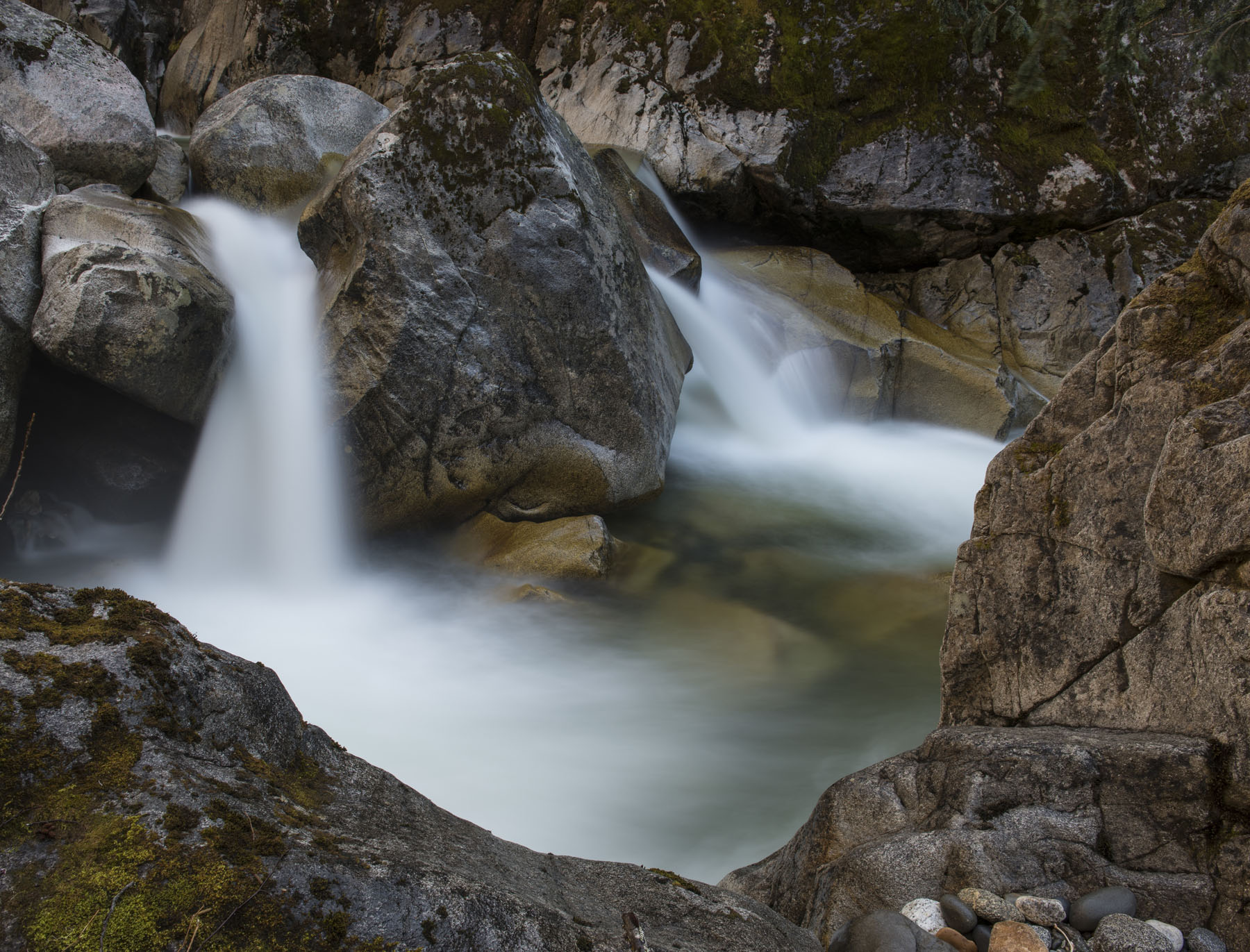
Are there certain environments that resonate with you, that you might seek out, or is photography more a matter of going prepared no matter where you are?
Landscapes, of course, and mountain landscapes in particular because that’s where I developed my appreciation for photography. Any environment where light and color create an evocative mood. People, portraiture, candid portraiture in particular. At a time when the world is absolutely drowning in landscape photography, rendering it harder and harder to do something new and unique, people and their expressions are infinitely variable. Also I’m lately drawn to exploring the effects of deliberate motion on a still photograph…ways in which motion contributes and ways in which it does not.
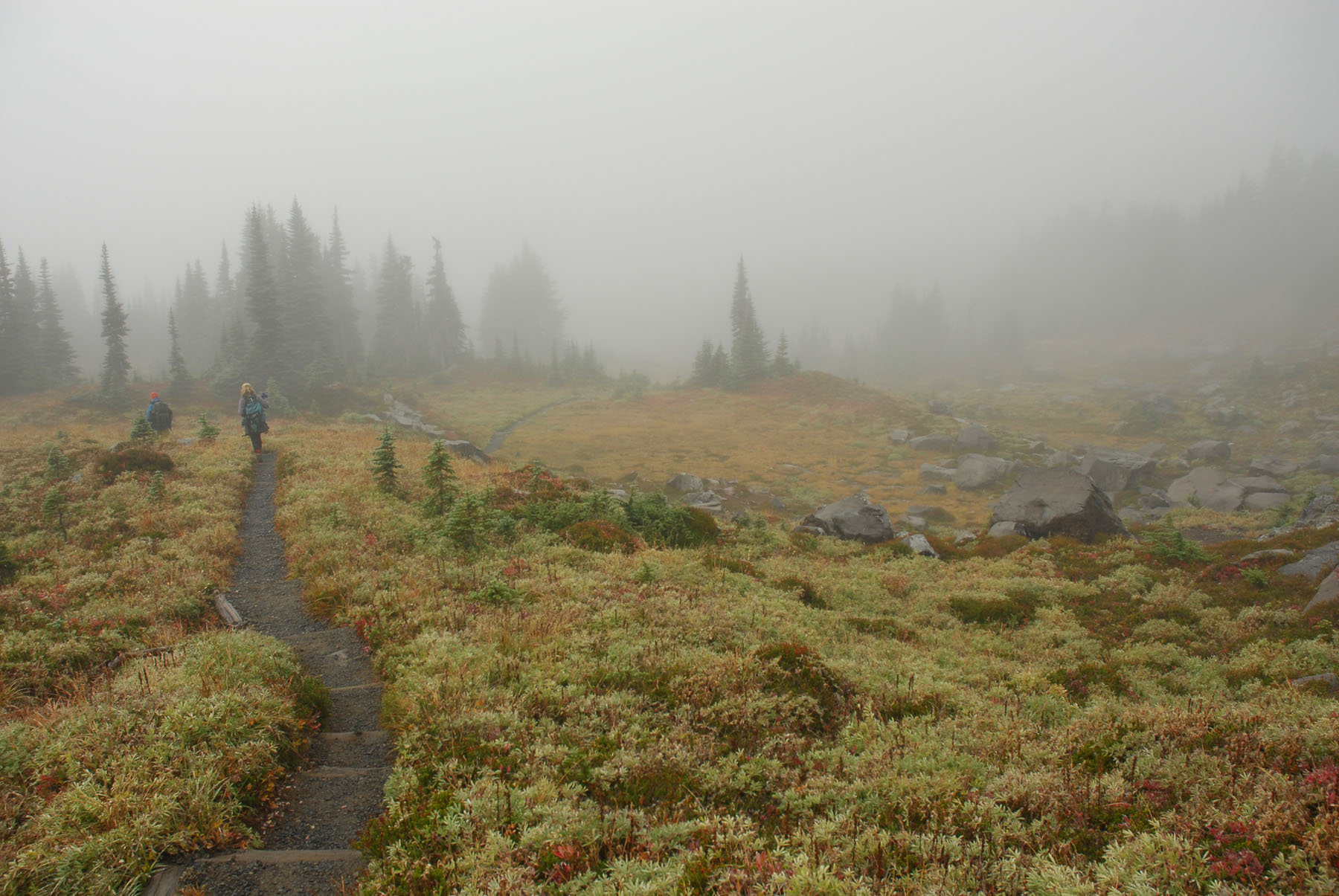
You take amazing close-up photos of things most people wouldn’t even see as they move through their day. Does photography make you slow down and be more aware of what surrounds you?
Seeing and photographing things…plants, bugs, birds….close up has caused me to be absolutely fascinated with all that can be observed at very high levels of detail. There is a vast amount of order, detail, and beauty in even the very smallest of things…and I believe that extends even at levels of magnification unavailable to me. Not to go too far down that path in the context of this discussion, but I see an argument there for creation over evolution; how else could such magnificent, tiny, and precisely arrayed structures be so ubiquitous throughout nature, but that some force had a deliberate hand in their design?

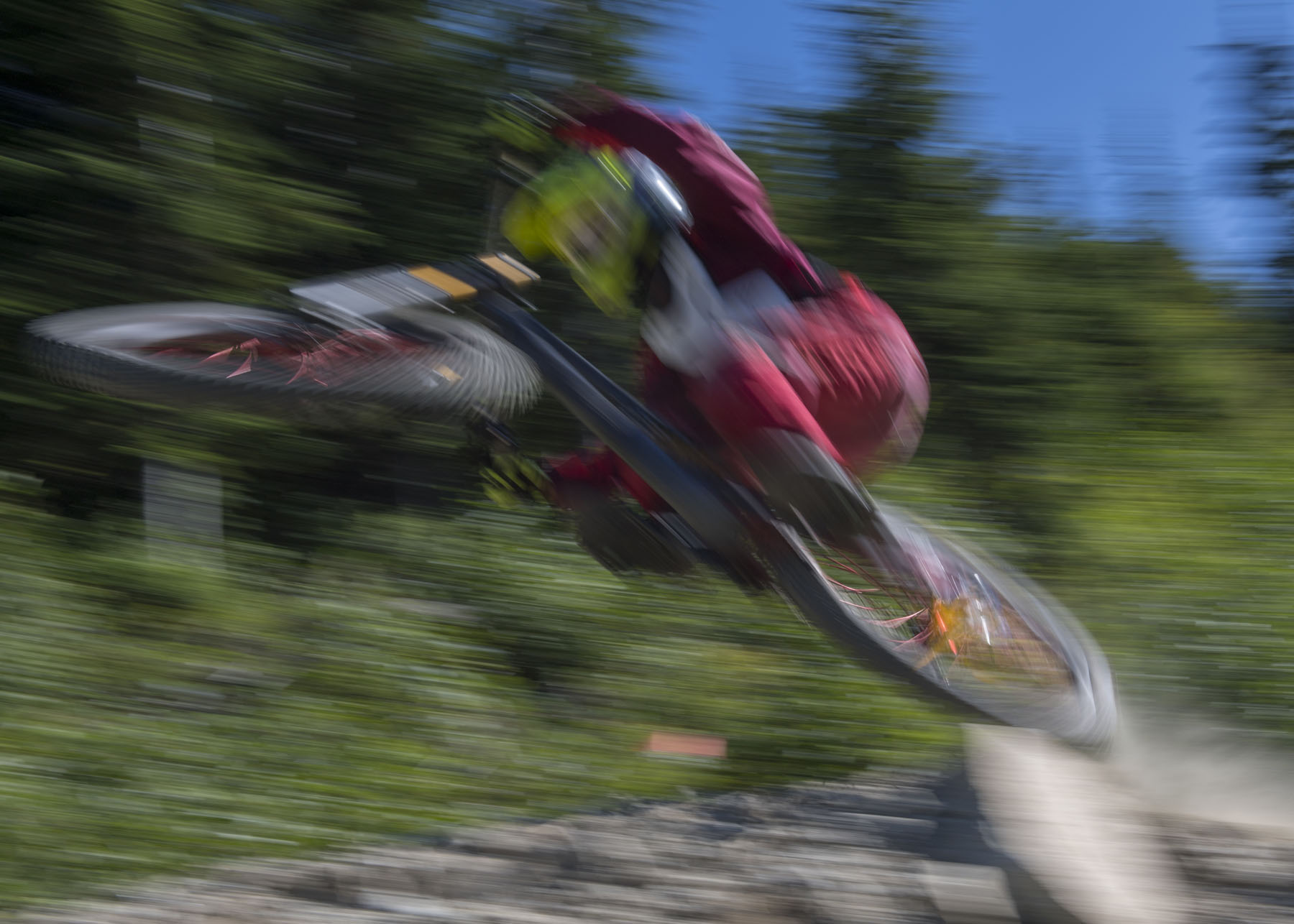
You also take amazing broad-view action shots (thinking of skiing). It amazes me how a still photo can show movement and not just be a blurry mess. Can you talk about that a bit?
A photograph can be dead sharp and still imply motion if one or more of its visual elements do. Ski racing’s pretty easy in that regard for a couple of reasons: first, racers are often in a leaning position that implies they would tip over if not moving, and second: the skis themselves flexing and shedding snow are obvious signs of motion. So I shoot racers as super sharp as I can get them, 1,200 second and up to 1/8000. This gives me a really good look at the person, the reflection in the goggle or the eye within, legibility of even the smallest print on clothing or gear, all that stuff that will look pretty cool on a 24 x 36 print, and yet dead obvious that they are going very fast and on the edge of control as well.

There’s other ways to imply motion, the use of relatively slow shutter speeds and camera pan to blur everything except the object being tracked. This yields wonderful results, but it’s a low percentage shot; you get a lot junk and a few keepers. When I shoot a kids ski race, for maybe two hundred kids in a two run event, I’ve got, per kid, two chances, maybe three seconds per chance, to get the money shot, and I’ve got an obligation to get a money shot of every kid if I can. There’s no re-dos. And so the only logical choice for me is to shoot the fast shutter high percentage shots. When I’m just out horsing around, or if I shoot training where they’re doing multiple, multiple runs, then I can experiment, and I get a lot of good stuff that way.
Do you have certain things you look for, or do, in order to frame a shot?
I confess both to being challenged by through-the-viewfinder composition and to cropping relentlessly. Rarely do I see a photo straight out of camera that I cannot improve with a crop. A lot of times I can see the shot I want but find it impossible to get the camera in the right spot, and so crop the shot I want from a larger image. There are a number of compositional rules, and while my work might be said to adhere to some of them, I don’t have them in mind when I compose. Action is easy, just hanging on for dear life trying to keep the focus point on the subject and not cut off feet or other such sins. Portraits, too, are easy; the task is to capture the moment and the light; the face is a given. But landscapes are tough for me. I look for..balance…I guess, for lack of a better word, and a way to represent the mood the scene evokes in me. And forests are the toughest of all; I can be spellbound by the beauty of a scene and totally unable to find the composition that tells that tale.

Can you tell me about the gear you might take with you on a normal day of photography? And also explain a bit about what the gear does and why you choose it?
Too much, of course! There are really two cameras for any photo location: the camera you’re willing to carry there, and the camera you want to use after you’ve arrived. I’ve got two different types of bodies, high resolution and sports/journalism/event high frame rate. The former go traveling and hiking while the event camera is built to survive wars and riots and goes to sports and social events. Three zooms get me from ultra-wide angle to medium telephoto, I have a super telephoto for sports and wildlife and a close focusing macro lens for the little stuff. Choice for the day is based on what I’m after; the most commonly used items are the three zooms. And, not to forget, I’m like a lot of other photographers, an old gearhead with disposable funds. A lot better work than mine is done daily by talented artists with far more modest setups
It always seems like when I take a photo of beautiful scenery, it rarely translates as nicely to a photo. How do you know that what you’re taking a picture of will actually make a good picture? I know with digital cameras you can take thousands to get a single good photo, but I imagine there is also skill involved.
I don’t know if a particular attempt will make a good photo or not until I see it on a big monitor. Granted with digital you have instant review, and that helps a lot with exposure and such, but for me it takes the big view (or a print!) to decide. Skill and experience combine to lessen the amount of wasted shots, and aid in correctly setting the camera to achieve technical necessities. But the composition either works or it does not, according to a visual aesthetic that I have only partially mastered. As I said above I crop relentlessly. So often I get home and see that while a picture is a failure, the picture I hoped to take is contained within and may be cropped into existence. Modern super high-resolution bodies help a lot; one can crop pretty drastically and still have enough pixels to get a large sharp print. If I’m doing any sort of artfully pretentious type stuff I’m tickled if I get one image a day that meets all my standards. Normal “I was here with you on our holiday” pictures should yield a high percentage of acceptable results. For sports/action stuff it’s really game on; my minimum standard for that work is 3-6 technically and visually acceptable images per athlete per run. For a big event this can easily run to a thousand or more ‘keepers’ per day out of maybe four thousand shots, all needing to be post-processed and cropped to my satisfaction before they go up on the website.
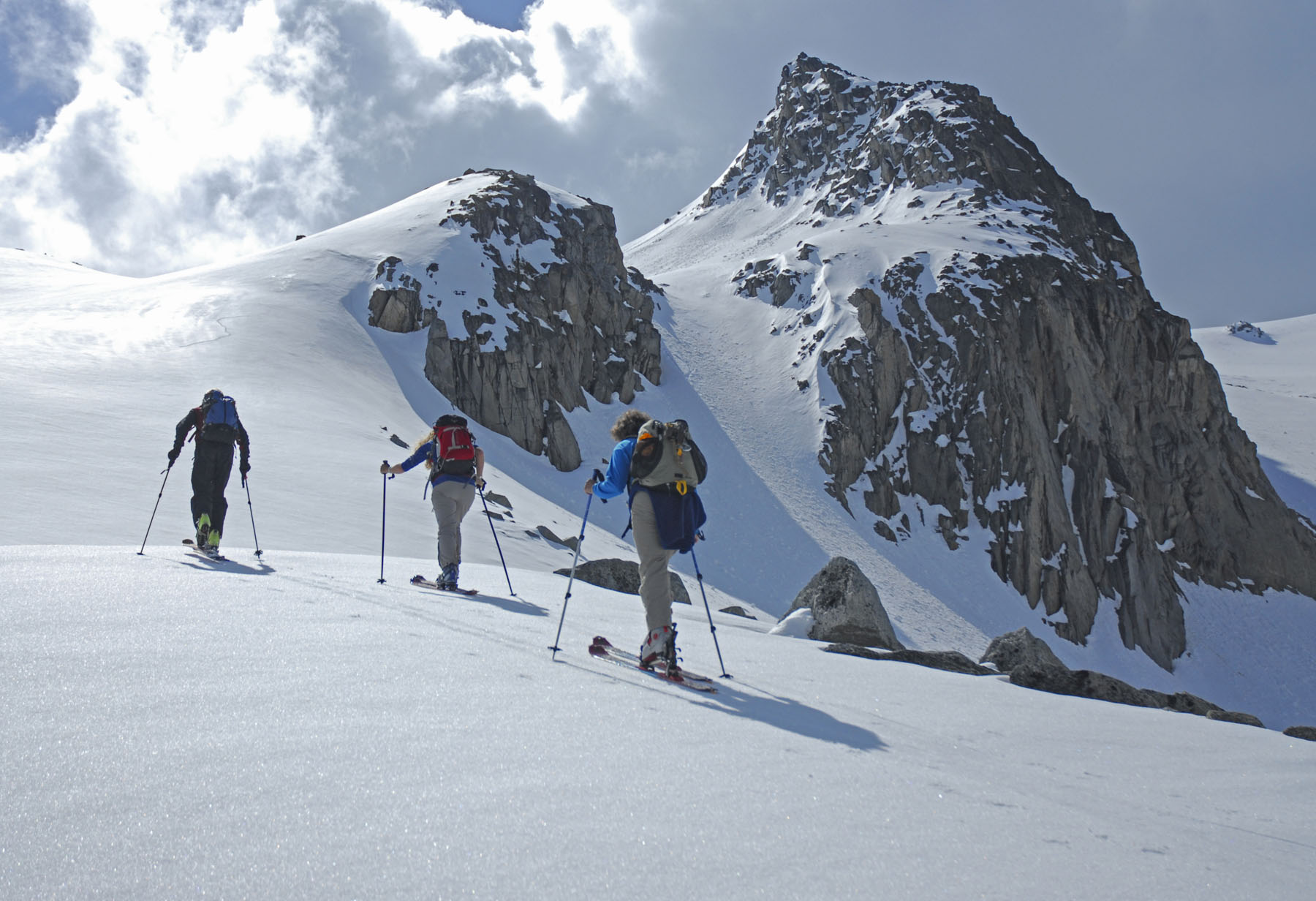
As a writer, music helps me move into a story world and close out the real world. Is there something similar for you when taking photos, or working with them?
When shooting, no, I prefer to have no distractions whatsoever. When editing, sometimes, maybe. In general I multitask poorly and can really only focus on one thing at a time if it’s something that’s important to me. I cannot, for example, be in a conversation and shoot photos at the same time. I have to block the speaker out or set the camera aside.
Are there certain environments or settings that you find difficult to photograph? Why?
Yup, public settings where strangers are present and figure prominently in a shot, because I feel a bit like a sneak or voyeur if I concentrate on a stranger without prior consent. In travel situations I will ask, saying ‘excuse me’ in the local language and pointing to them and the camera. It doesn’t have to be a long conversation, and I’ve never been declined. Depending on the context of the situation I will also offer or donate an Euro or two, which never hurts.
Stuff I don’t/wouldn’t do would be any thing that’s exploitative of suffering or situations that would be considered private. This includes virtually all nudity; there’s just entirely too many creepy old dudes doing that sort of thing and giving the form a bad name.
An elderly friend once told me she no longer paints because she no longer feels the need to ‘own’ what she sees. Do you think there is a form of ownership in capturing something on film?
Not ownership, per se, but what you accomplish with a photograph is capture a moment…a very short slice really…of time, and preserve it for as long as the photo exists. Moments not photographed exist only in the mind or maybe vanish forever. So you can take a picture, print it, and store it away somewhere. Fifty years later you can pull the photo out and revisit and relive the moment in time when it was snapped, through a barrier of course, you can’t go there, but you can still get as close as can be gotten; you are allowed to see. This is especially true if you haul the print to the point it was taken, and especially easy if you’re given over to sentimentality.

The same is true of art. In Berlin, on the Unter den Linden, there is a massive bronze statue of Frederick the Great surrounded today by the modern hustle and bustle of the crowded city. A kilometer down the street in a museum is a nineteenth century painting of the same scene, done in the exaggerated perspective of that time, showing the traffic of the day: horses, mongrel dogs, noblemen with swords. Each time I am there I have to visit both, to experience the juxtaposition of different points in time that the experience provides.

And my favorite question – what is one thing you wish I’d asked, and how would you answer it?
Do you regret not shooting more?
Yes! So many events, days, and moments are in my memory only, because I did not have my camera with me. I would like to have been able to hold those moments in my hand and revisit them. Especially in film days I could have shot ten times as much and not overdone it. At the same time, the advent and ease of digital has really changed the photographic world and has made photography, especially of famous subjects and venues, ubiquitous. Italian coasts are lined with photographers, retired dentists on photo tours, lined elbow to elbow, tripod upon tripod, all waiting to take their perfect shot of sunset on the Cinque Terre. In Florence, the statue of David, everyone’s favorite seventeen-foot-tall naked guy, is surrounded by a tightly packed sea of humanity, like pilgrims circling the Kaaba Stone in Mecca; each and seemingly every one of them holds their phone high above their head…desperately hoping to get that perfect shot for their Instagram.
I’d like to thank Bruce for taking time to answer my questions, and for trusting me with these photos. If you’d like to see more of his photography, please click on the link below.
https://brucealbert.smugmug.com