What’s This About?

Recently a stranger asked me what the second book was about. My immediate thought was ‘I don’t know; I haven’t read it’. While I didn’t say that out loud, it did get me thinking.

I can tell you what the jacket blurb says. I can tell you the premise, the layers that are important to me, like family and history. None of that would be anything like what I would tell you if you asked me what a book I’m currently reading is about. For that I’d say, oh, it’s about this woman who’s doing jury duty when two guys storm the courthouse (Ransom River, Meg Gardiner) and then I’d go on in that vein. But if I asked Ms. Gardiner what the book was about and she answered in that manner I’d think, ‘great, now I don’t have to read it’ and walk away disappointed.

What makes the difference? For me, if I’m reading a book I want to share the excitement and the story. If it’s a book I’m considering reading, I want the person to hook me into really, really wanting to read, without giving away the story – something I want to discover on my own.

Looking on a new place to discover

Looking on a new place to discover

When it comes to talking about a book I’ve written, however, everything changes and I believe it’s connected to intimacy.

During the writing process I am so closely involved that the story is part of my everyday life. I’m daydreaming it, thinking about it, mentally talking to the characters, and so on. In a way it’s like being pregnant, this thing slowly coming to life inside.

After the first draft I move into editing, and then I hate the story. It’s the worst thing ever written, I’m an awful writer, why didn’t I see those mistakes (usually thought after it comes back from an editor I’ve paid), I never, ever, want to see these characters again. Almost too much intimacy. You know – the one who insists on cuddling up close and crowding you out.
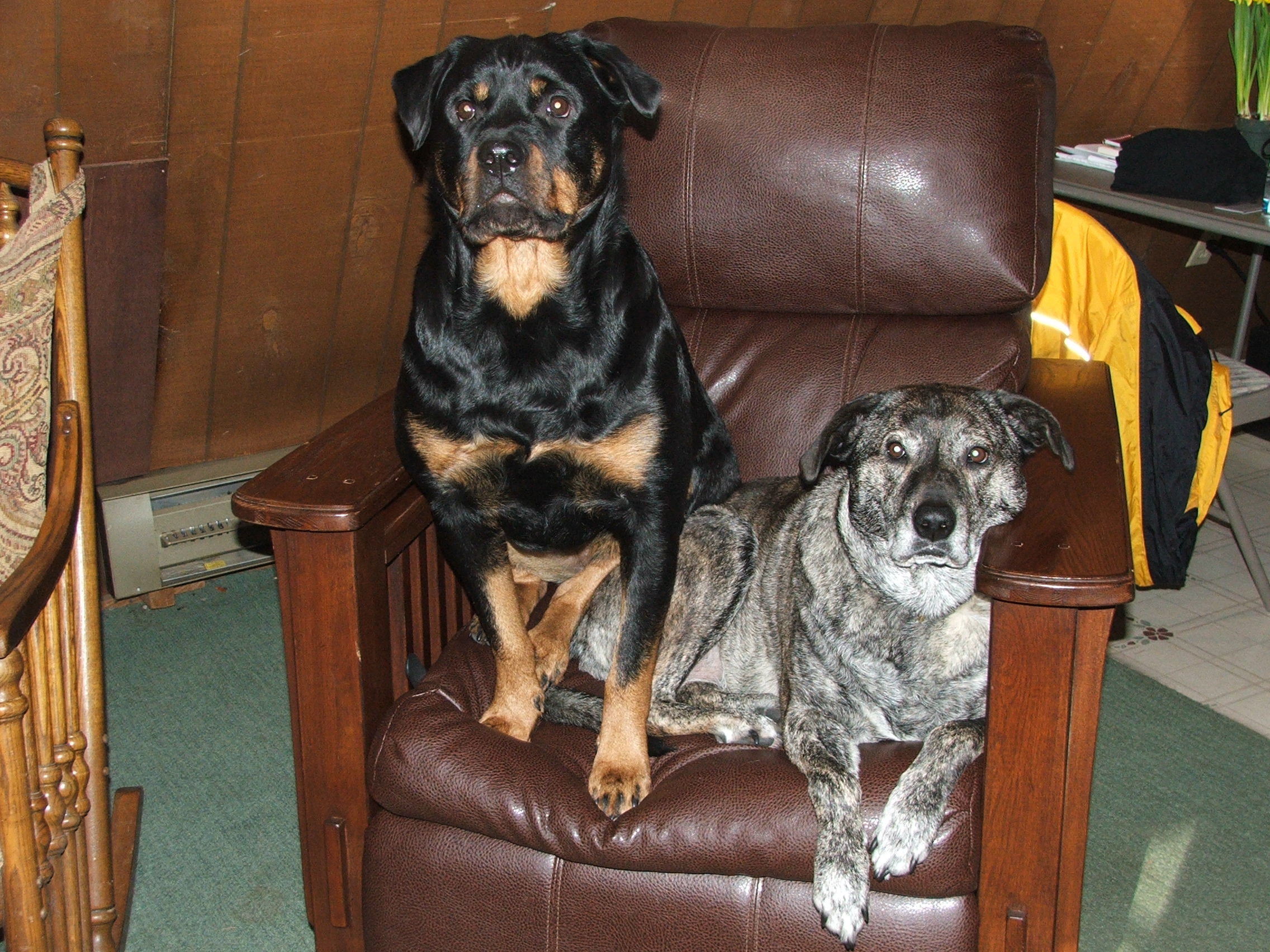
Vala and Arwen

Vala and Arwen

Of course the editing phase passes, you realize it’s not quite as bad as you feared, and you let it loose into the world.

And in all that work and angst, I never read it outside of an editing standpoint. I never go back to it after it’s been published, pick it up like I would a ‘real’ book, and read it, relaxed, cover to cover. I never see it as a whole. I’m not sure I could read it without constantly picking apart every phrase. I would be afraid of finding a lot wrong. I know what I hoped to create. What I think the story is about. What I wanted it to be about.

But do I truly know what it’s about? I’m not sure I can answer that unless I go back and read it. And oddly, I find that thought a bit scary.
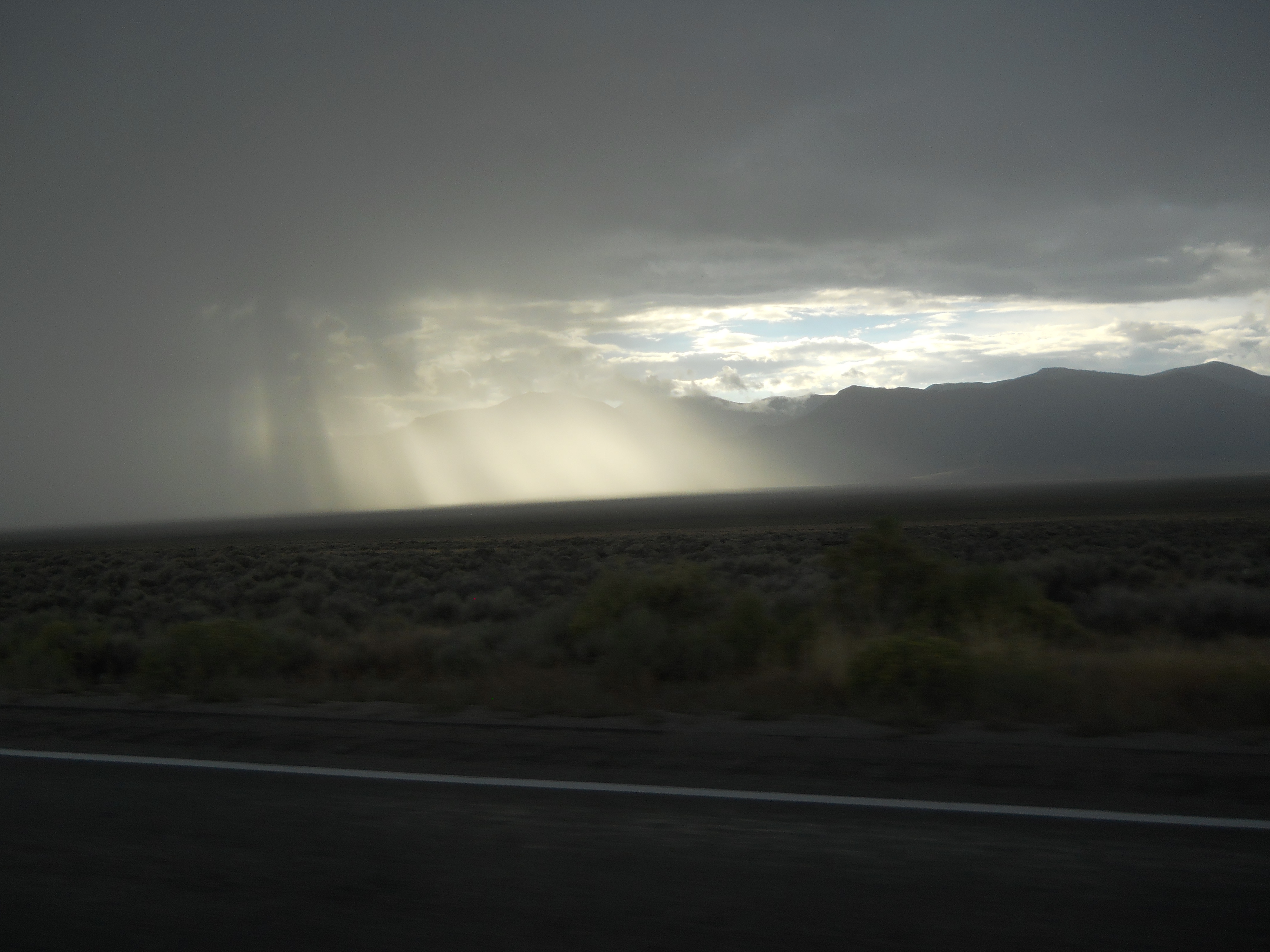
Nevada storm with scary flash flood

Nevada storm with scary flash flood

Question Creativity

A few posts back (Endless Chains) I came up with a list of questions that no one answered. Some said they were too hard. I decided to see if I could answer them and if that might spark discussions. It was tempting to scroll through the list and pick what interested me but that seemed rather like cheating. So here’s question #2, which I didn’t want to answer.

What form does your creativity take?

The easy answer is writing, obviously. And handcrafts. I love to crochet doilies (and am always asked, ‘isn’t that something old ladies do?’), make bobbin lace, struggle with spinning, and so forth.

Making bobbin lace; image from wikimedia commons

Making bobbin lace; image from wikimedia commons

The harder answer is that I actually don’t understand creativity. Why can’t we pick and choose what form it takes? If we could I would draw. Or at least have an eye for color and design, which I suck at.

Why do we need creativity? How did it evolve? I imagine things started out as survival skills. Spinning to create warm clothes. Writing and painting to create communication. Most likely, when survival became less emergent, those skills stuck around because a few people realized they enjoyed the tasks.

But let’s think about writing, or story telling. That’s been around since the beginning of time. I don’t know that it had much to do with survival other than maybe scaring little kids around the fire so they wouldn’t stray. I think it had more to do with keeping oral history alive. But whatever the reason, why did we, back in the beginning of time, have that desire to tell a story? To use imagination to create a fictional account that did nothing but entertain? There must be some deep-seated genetic reason that we feel the need to create and I’d love to know why.

Back to the question though. Writing is clearly my form of creativity. It’s something that eases my soul, makes me happy, allows me to move through the day and breathe. Whatever it is in our brains that requires us to need some form of creativity in our lives, I’m glad my brain chose writing. Because I really do suck at color. And cooking. And singing. For that matter, I was always terrible playing a musical instrument, too, even though I love music. I have no creativity where dance is concerned, either.

Hmmm. The more I think about it the more I feel lucky to have at least a few things I can claim as creativity.

So what is creativity to you and what form does yours take?

Westward Race

Several years ago I read a book called Women’s Diaries of the Westward Movement. One thing that became clear from that book and subsequent reading, is that the majority of women took that hazardous journey, not because they wanted to go, but because their husbands went and they were basically dragged along for the ride.

What fascinated me researching this was that it was extremely rare for a woman to go alone. I came across one incident of a woman who traveled alone, and she had to hire men to help her. Her reason for going? To find a husband.

I was intrigued by this lack of women taking on that challenge alone. Since then I’ve felt I have a western story floating around me. I even started one a few years ago with two sisters who take on the journey. But the amount of research needed intimidated me and I never followed through.

Today on NPR I heard a story about a mother and daughter who traveled west on the Oregon Trail without a husband or father. They settled in Oregon and lived out the remainder of their lives. I again was fascinated by this. Two women taking a covered wagon and oxen and their worldly possessions and heading out. Leaving safety and security for the unknown and danger.

Then I realized that the NPR story wasn’t about two women traveling west. It was about two African-American women traveling west. The narrator talked about how most people, when they picture that covered wagon, picture a white family, and how there were a lot of African-Americans who also took on that chance for a new life.

I found myself at first a bit irritated, to be honest. With the knowledge that it was so rare, and so dangerous, for a woman to do this alone, why did race have to come into the story? I wondered when we, as a people, would tell a story without having to define it by race.

And then I thought about these two women. I realized that these two women had to face even more danger, even more obstacles, simply because of their race. So an event that was rare to begin with, became even rarer. These two women stand out in history because of both gender and race.

They must have been incredibly strong women. The NPR piece didn’t explain why the mother and daughter took on this challenge in spite of obstacles in their path. What would have sent them out their door? What did they have to face and overcome and surmount? Did they find happiness at the end of the trail? Did they have regrets?

So many questions. I’d have the same questions no matter what their race.

I wish I could have known them.

I wish I knew their story.