Done With Writing?

I just read in the news that author Philip Roth is ‘done with writing’. I had to laugh because my first thought was, ‘that’s what you think’ followed by ‘but is writing done with you?’.

The sequel to the Memory Keeper is done. The first draft actually. Which means now it sits for a while and then I start the editing process. This story was a struggle from beginning to end and I am very happy to have it on paper. I had to remind myself often that this was the first new thing I’d written since cancer, and the first thing after a two-year break. The break was due to the fallout from radiation and many times I thought writing would never come back. So while this first draft is very rough and there will be a lot of editing to do, I am so relieved that I finished. That writing not only returned but stuck around.

Now I have a new idea that I’m excited about. You know that feeling…when the idea has been kind of simmering in the background and now your fingers are just itching to get going. I had to force myself to not rush the ending on that sequel just to get it done so I could move on to what is going to be fun. I had to rein in that strong urge, that strange force that seems to push the story into you until you have to let it out through your fingers or your brain will explode.

Which leads me back to Philip Roth. I wonder how a person can make a conscious decision to quit something that is part of your creative psyche. It’s not like he’s going to now move through life and not see stories everywhere. So what will he do with those stories if he’s not going to be their channel to the page?

I wonder that with all forms of art. Can a painter decide one day to simply quit? Will their eyes no longer see beauty? I actually interviewed an artist who no longer paints and she told me she quit because she no longer felt the need to possess. That painting, to her, was capturing and holding. So obviously some people can shut off that creativity.

But writing? Maybe stories can leave a person, but I question a person being able to leave a story. Seems like they ‘d just spontaneously explode. Hope someone keeps an eye on Mr. Roth.

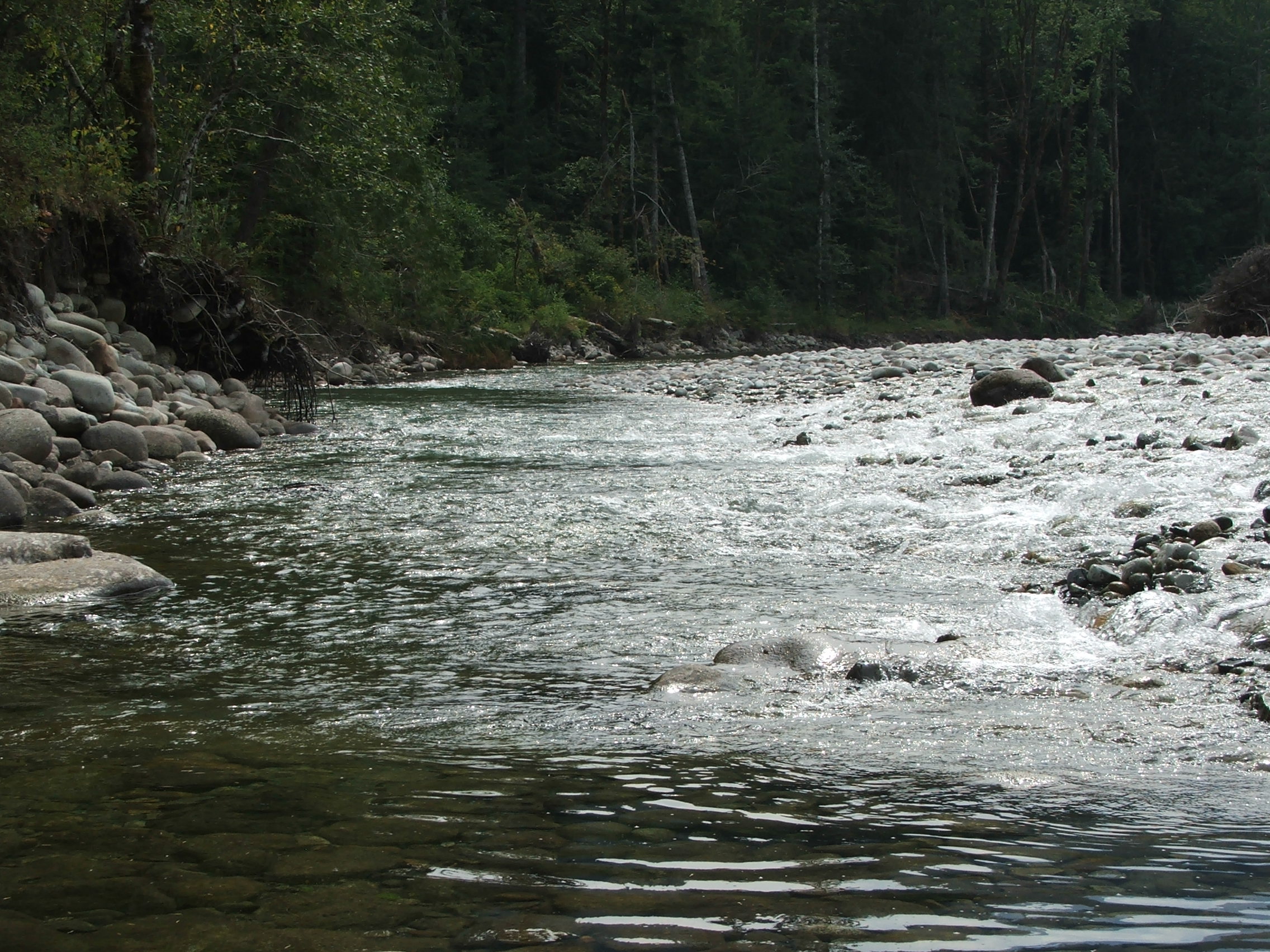
No particular connection between the photo below and this post. Other than it’s the perfect spot to write and across the road from my house.
Poetry and Zombies

I watch very little television but did see an episode of a show called Walking Dead recently. I like apocalyptic type shows but this one was a bit much for me and I didn’t finish it. Too many zombies shot in the head with graphic results. It confused me for one thing. If zombies are dead, why do they still bleed so colorfully, and splatter so much?

Last week I had a discussion with some writers about the emotion in our work. One woman had written a poem that she felt might be too powerful for the rest of us to understand. Another said that even if a reader didn’t understand the words, people react to the underlying emotion in a story or poem. Which makes the poem personal for that person, even if they read into it a different message than another reader, or even the author, gets from the same piece. It’s similar to modern art that has different meanings to different viewers.

How does that relate to bleeding zombies? Well, I got to thinking that every generation seems to have its version of the apocalypse. I remember as a child it was the Cuban missile crisis and the atom bomb. People had bomb shelters in their basements. I remember a time when it was the swine flu, sarin gas, mutant viruses, and so on. It’s as if each age needs something that is out of our control, that scares us, that makes us feel the need to prepare. Right now it’s a hurricane that’s making me think about super storms and how nature is changing and how I want to make sure my Bug Out Bag is stocked.

But, as with writing, it’s not the virus or the zombie that we are afraid of. It’s those underlying emotions. Fear of no control, of not being able to protect our family, of being exposed. Each apocalyptic theme dips right down into those deep feelings. And good writing does the same thing. It’s not the plot carrying the story, it’s all those underlying emotions that suck a reader in and keep them turning pages. Whether that emotion is fear, laughter, or anger. If we, as writers, can bravely dip into our own fears in order to pull them out and place them down on paper, we can touch our readers. Well, that’s not a profound statement. All writers know it. I’ve just been thinking about it since that show creeped me out and since I was told I might not get something powerful. It makes me want to face all emotion in order to impact a reader.

So while I may not understand the words (and might be a tad insulted when someone points that out), I definitely will react to honest emotions underlying the words, whether that’s in a song or a poem or a novel…or a zombie television show.

And by the way, my emergency pack is packed.


The Young Writer

My teenage son and I have interesting conversations during the 45-minute (one way!) drive to school. I love hearing his views on everything from physics to politics to peace.

So this morning as we’re driving ‘down below’ out of the mountains and into the city, I was talking about a story idea I’m intimidated by. And my son mentioned, so very casually, that he has this idea he’s been working on but he can’t seem to get past chapter one.

I’m so proud of myself. I calmly continued, as if we always talk writing, about the reasons a story can die early. We talked about giving away too much, too soon, about characters that we don’t really know, the lack of conflict, all those things that people who have been writing for any length of time have struggled with.

But inside, there was this joyful shouting going on. My son writes!!! And not only is he writing, but he’s talking to me about it, and not only is he talking to me about it but he’s perfectly relaxed and comfortable doing so.

When I was his age, I also wrote, but as many of you know, I did so very privately. My closest friends (Sue and Mariane) knew that I wrote  and thinking back on it, probably more people knew than I realized. But when I mentioned it to my mother, she suggested, strongly, that I learn a different trade. She never flat-out told me I couldn’t write or would never make a living at it, but that is the message I took away. So instead I pushed the writing back and took the classes she wanted me to. And I never shared any of my writing with her, and never admitted to her that I kept going. Hence the sense of shame, of doing something wrong.

But now, I am feeling very strongly that I’ve done something right. My husband and I have managed to give a kid confidence enough to talk to us without being afraid of ridicule.

And he’s writing! I want to shower him with pens and paper and books on writing and my boxes and boxes of notes and resources, and beg to see what he’s done and…you get the idea. I want him to soar, without shame, without an inner critic whispering to him that he’s going to fail. Whether that’s with writing or with any of his other dreams.

And I wonder if storytelling is genetic?