Life Through Stories

My first dad died when I was almost four. I have a few clear memories of him.

Lisa, Frank, and Lucy

For a while, only one side of him worked with the help of a leg brace. And then neither side did.

Holly and dad 2

The youngest sibling, when one side still worked. The leg brace isn’t visible but the tumor that killed him is just starting to bulge on the side of his head.

The curve of the wheelchair when I’d sit on his lap as he wheeled me back to bed. I’d sneak out to watch television. If dad found me, I’d get that ride in the wheelchair. Plus, he’d sit by the bed and tell me stories until I fell asleep. Mom would just haul me back with no stories. I understand now. He knew his time with us kids was limited, months if he was lucky. Mom was overwhelmed. Three little kids, a dying husband, a bleak future.

The ashtray full of cigarette butts. It was always fuller when the uncles visited.

Barfing. Lots and lots of barfing. Dad and the uncles had been playing poker and drinking beer. And feeding me chocolate ice cream. There wasn’t room on the table for cards and bottles, so bottles went on the floor at their feet. Within reach.
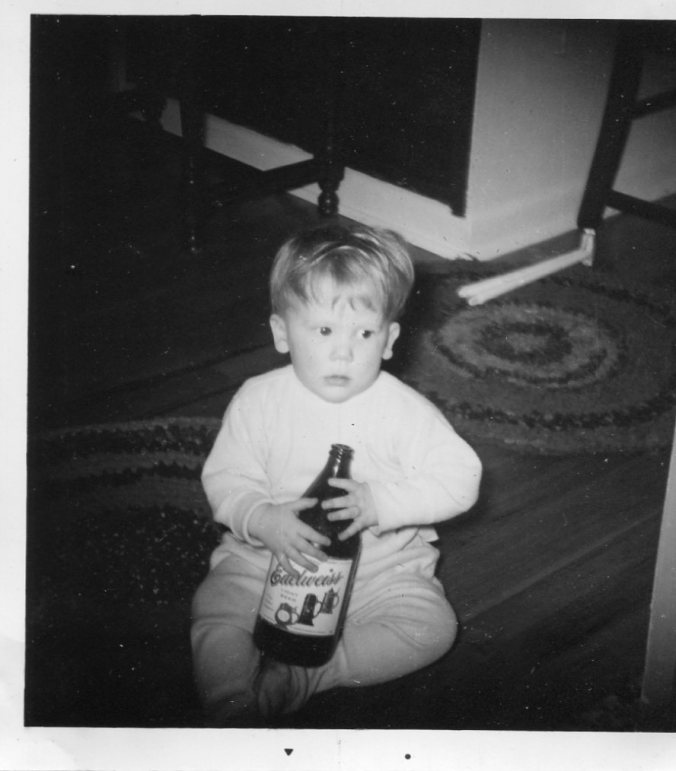
img003 copy

Dad and the uncles found it hilarious. Mom, not so much.

But mainly, what I know of the man is through the stories others told.

The time he and the sheriff’s son shot up the door of a community hall. Well, they technically were shooting at a calendar. Forgot about the door.

All the sports he lettered in. How small he was compared to the uncles. How they’d start a fight and he’d finish it. How fast he could run.

The, probably apocryphal, story about getting drunk, waking up the next day, and being in the Navy.

Getting shore leave, being invited to a party, coming down the sidewalk pulling a tee-shirt over his head. And meeting my mom for the first time.

And then the whole military thing. Like the time he missed the boat. Literally. Too much shore leave. Court martial for that one.

Court Martial pg 2

Three days. Some shore leave. I wonder if he remembered it later.

The other shore leave story, in Korea at the end of the war, finding a tiny newborn in the garbage. Smuggling her back on the ship. His plans to keep her, bring her home, raise her. His horror that someone would throw away a child. He was forced to return her.

These snippets of a lifetime make me ponder on how vital stories are. How we keep people, traditions, habits, alive through words. I’ve heard you die twice. First your physical death. And then again, when there’s no one left to tell your story.

I think about the stories I tell. The ones I read. The others I hear. All those words piling up, creating nostalgia and memories, laughter and sadness.

But most of all, building a life.

It’s not such a bad thing, to be remembered in stories.

Window Lisa climbed out of

My memory – sneaking out this window to play when I was supposed to be napping.

The Sunday Drive

Last Sunday we took our friend Jenny and went for a drive along some nearby logging roads. It brought back so many memories.

DSC_0017

Crossing Troublesome Creek on Sunday (using a bridge!)

Growing up, we often went for Sunday drives. If mom chose the location, it most likely would be driving the neighborhoods she grew up in. She’d reminisce and tell us stories about things like her dad getting drunk and throwing bread at her across the table. Or having to learn how to butcher rabbits. Or Aunty and the day she showed up. She saw their chimney fire, stopped to help them, also saw a single dad trying to raise a daughter, and stayed as their housekeeper. And once mom married and moved away, she became our surrogate granny.

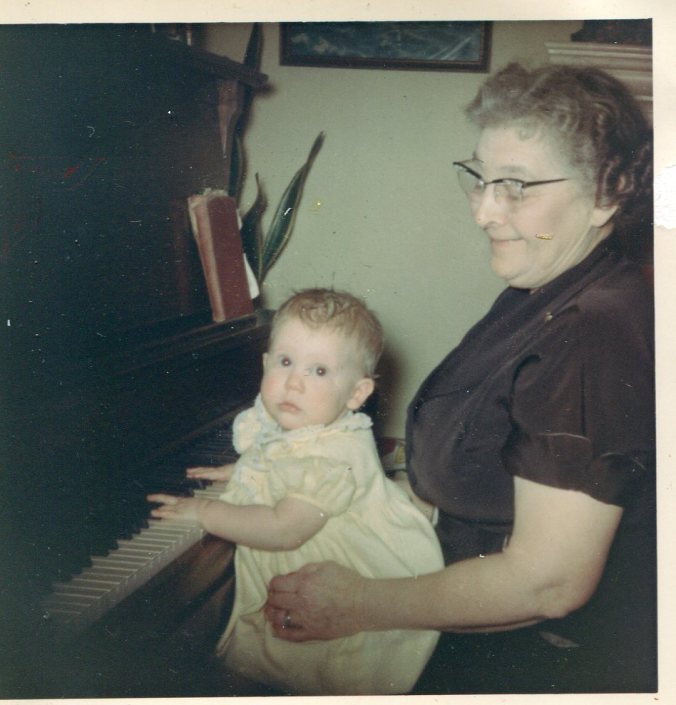
Lisa and Aunty

Aunty helping me play

Those drives weren’t too boring because I’d sit in the back seat and daydream adventures and my own stories. And if we were lucky, and mom and dad felt flush, we’d all get the treat of burgers.

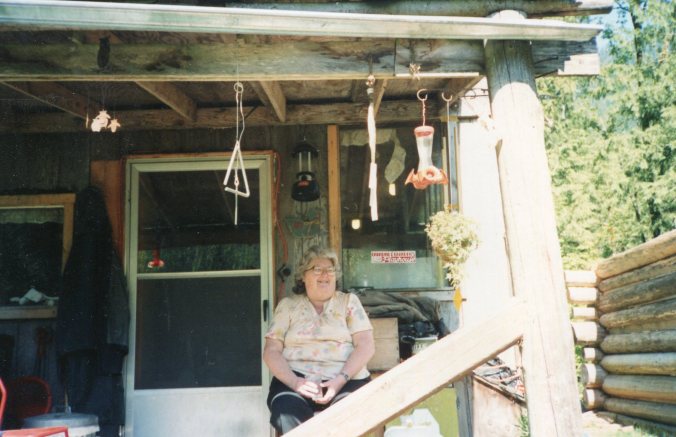
Mom at cabin

Mom at the cabin. 

When dad picked the Sunday destination, a lot of times we’d end up driving logging roads. Mom would pack a picnic lunch. Dad would bring the stack of gold pans. Us kids would get to sit on the tailgate of the truck as we slowly bounced our way up into the woods and mountains.

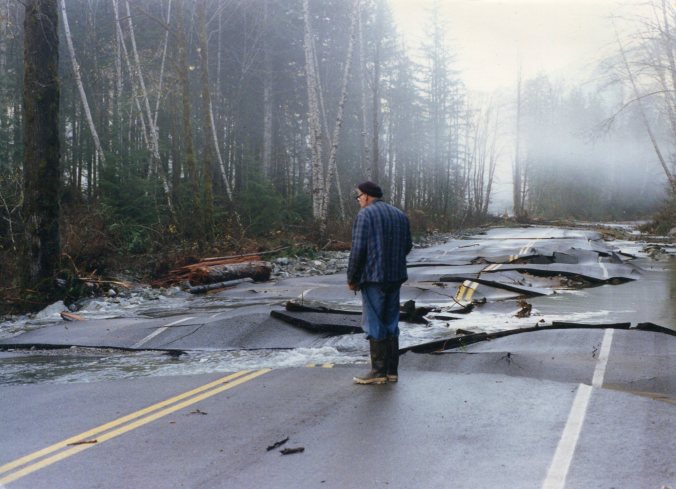
Dad 1990 flood

Dad surveying flood damage

I daydreamed those drives, too, but the stories were different. They almost always involved me slipping off that tailgate, running away into the woods, finding some long-lost tribe of Native Americans, or some My Side Of The Mountain type, where I would live forever out there in the mountains.

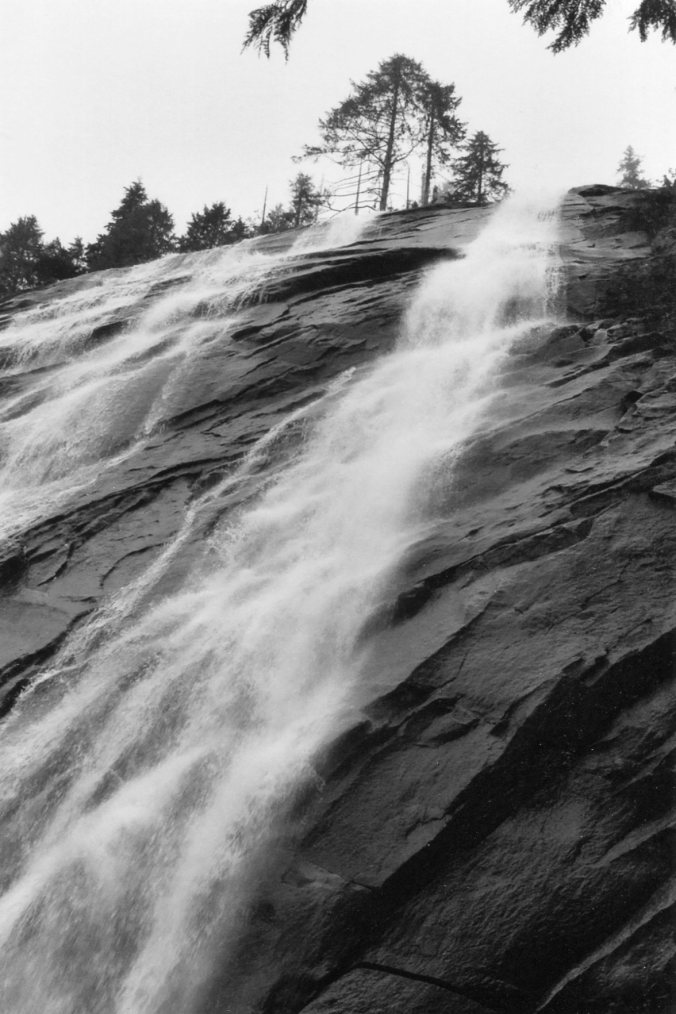
bridal veil falls

Bridal Veil Falls

So here I am, many years later, driving old logging roads with a mountain-kind-of-guy. At home where I always wanted to be. Still daydreaming through those woods though, making up stories as I bounce along in the truck.

DSC_0013

Jack’s Pass on Sunday

Endings, In Stories And Life

The ending of a story is as important as the beginning. Maybe in some ways, more so. The beginning hooks you and draws you in. But the ending is that big sigh of relief, or satisfaction, or sadness. Questions answered and threads tied so you can move on. Sometimes the end is a stop, sometimes a pause before the next linked story.

DSC_0235

Sometimes you find an ending with no known beginning

So when there’s no ending, we’re left suspended. No closure. And those are the stories that haunt you. Which is why short stories have such appeal for many; they don’t have a neat conclusion.

But typically, we want those final words.

I’ve said this before but will repeat here. One of the hardest things for me during my years on the fire department was having no ending. You’d be so, so intimately involved with a person at this horrible moment in their life, and then they’d be gone. Whisked off to a medic unit, to a hospital, to the morgue. You’d never find out if the family managed to move on, to put pieces together, to get their lives back, to heal. You’re haunted by those who entered your life so briefly. Some were in your blood-soaked hands as their story ended.


DSC_0237

Then there are friends. This afternoon I was reminiscing about a time, way back in the 1980s, when I hurt someone. To this day I don’t know how, or what, I did, only that it was awful enough that they took many years to reach the point where they felt they could have contact with me again. There was no ending to that story. I wasn’t able to apologize or explain, or justify, or help heal, since I didn’t know what I did.

In spite of no ending though, we’ve managed a new beginning over the last couple years, for which I’m thankful.

And yet I’m haunted still by that time. I was very naive back then. Well, heck, I was naive until my thirties when my husband showed up. As an example, there was that time in the 1990s, at a Duran Duran concert, when a man tried to sell me hash and I thought he meant corned beef.

Lisa Vaila dad

That naive young woman (being photo-bombed by her mother)

I like to hope that this person now knows whatever I did, it was unintentional. But I’ll never know because there was no ending.

In writing, I always know the last line of a story before I begin. I may not know the characters or the story arc yet, but I know how it will end. Writing becomes a discovery of the path leading to those final words.

In real life, those final words are rarely so clear, or the path so easy to walk.

DSC_0004_2