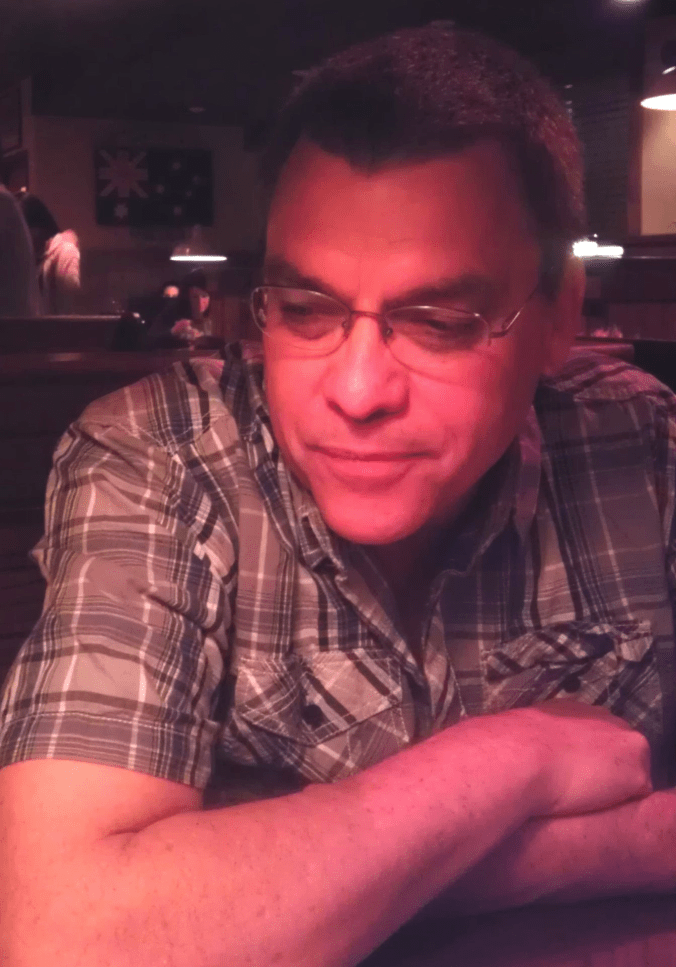
My last post was an interview with Mark Souza. This one is with his wife, Lisa, author of Beauty and the Bridesmaid. I’ve been lucky enough to read both Mark and Lisa’s books in early stages of development. This book made me laugh outright, which is no surprise because Lisa does, too. The thing is, the book hooked me because I’d laugh and then realize, ‘wait, this isn’t funny anymore, this is tragic’. What a roller coaster of emotion.
You have multiple writers in your home. What are the pros and cons of that?
PRO: Other writers understand the frustrations that come with the process: empty pages, dry spells, and of course the familiar ‘this is not nearly good enough’ feeling.
CON: Getting someone’s attention in a household full of head-phone-wearing laptop-gazers is useless. Don’t bother trying.
PRO: When stuck for a specific word, one can employ local talent to compete in a ‘find-the-word-I-need’ effort. Saves oodles of time digging through a thesaurus.
CON: It’s daunting living in the shadow of talented people. Therapy may be required.
PRO: Who better able to celebrate the joy associated with, say, a book sale or a good review, than another writer or two or three?

Multiple writers? Nope. Lisa taking a photo of Mark. With fans?
Is there a book out there that you wish you’d written? If so, what was it about that writing that pulled at you?
What an AWESOME question! We could start with the non-fiction stuff (Stephen King On Writing, Thomas Sterner The Practicing Mind) and work our way through the classics (The Handmaid’s Tale). But I can’t neglect fiction (A Wrinkle in Time) or every single thing penned by Martha Beck. And Dean Koontz writes such heroic characters – they make me feel lazy and un-evolved by comparison. Great writers create clever, layered word experiences. In The Husband Koontz tossed in a plot twist that caught me off guard despite a life-time of avid reading. What a gift.
Are there certain types of scenes that are harder for you to write than others and if so, why do you think that is?
I suffer from plot envy. Working out a clever plot requires so much mental gymnastics. It would be handy if I could conjure twisty, believable stories by ingesting copious amounts of cheese, but not so. I have far fewer problems writing angsty characters dripping with emotional baggage. They do say “write what you know.”
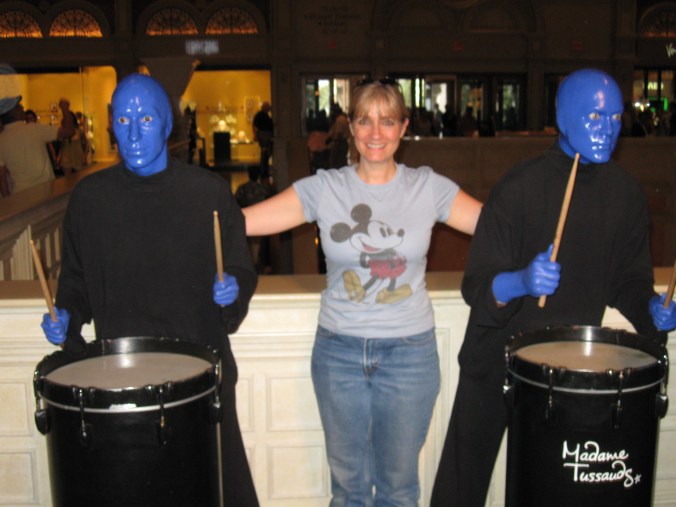
Wonder if these guys will show up in a book.
You also write screenplays. How does that writing process compare to writing fiction?
I thought writing screenplays would be far easier than novel writing – so many fewer pages needed! So much more white space! Instead it turns out screenplays are tricky word unicorns, unique creatures with distinct requirements. The format requires a tight, clean writing style, free of fluff and full of visual intensity. No long-winded descriptions in a screenplay. It’s a controlled environment, unlike a novel where you are free to flesh out details. Screenplays exercise a different set of writing muscles.
For example, you write with a particular actor in mind. Since you hope to capture their attention, you target your language and perhaps even the genre to attract that person. Awareness of budget plays a part, too. Is there a way you get rid of seven residual characters and still advance the story? Great! You just saved the studio thousands of dollars. Whatever the medium, though, it comes back to the empty page and the need to tell a compelling story.
It took a lot of encouragement and prodding to get you to finish your book. What were the biggest stumbling blocks, and how did you overcome them?
My older brother is a very successful writer. He’s also hugely dedicated to the craft. He has always worked harder and with more focus than anyone I know to make the written word his life’s focus. He told me when we were about five and three years old respectively that he would be a writer when he grew up. Well done, brother.
My husband is a successful writer. And a successful engineer. In short order he put together a very successful anthology of short stories and an award-winning novel. You, go!
And on a rational level, I’m overwhelmed with joy for them both, and hugely grateful to those who put pen to paper (or fingers to keyboard), creating fresh and new and vibrant for me to enjoy. Thanks, y’all! But being sandwiched between talented people leaves me swimming in awe. And also self-doubt. And fear, let’s not forget terrible fear of not being good enough because what if I do not deserve to share the stage with those dedicated, talented writers??
But at some point a couple of things caught my attention. One: every human being has a unique and intriguing perspective, so sharing mine contributes to the rich literary bucket. Two: I’m going to die. I know. It surprised the heck out of me, too. When I truly accepted the finite nature of consciousness, I felt compelled to get something completed before some force – like a fast moving car – writes “The End” for me.

Love this photo. Wish you could hear her wonderful laugh.
And my favorite question – what do you wish someone would ask you about writing, and how would you answer it?
Would you like fries with that? (This is called ‘stalling’).
Gosh writing is hard. Writing QUESTIONS is hard.
“Does writing come easily to you, Lisa Souza?”
No, Lisa Stowe. No it does not. Writing is wonderful and complex and hard, like… like… like a very, very hard thing.

All the books by both Mark and Lisa are good, but this one is my favorite. It’s not what you expect.