Epilogues in Fiction

Be forewarned, there are spoilers here relating to a book.

I just finished These Silent Woods by Kimi Cunningham Grant. It was a great story I thoroughly enjoyed. Until I got to the epilogue. I’ve never read a book where the epilogue ruins the whole story. Typically they let you have a few more moments with a character, see how they managed after the drama of the story. This epilogue fulfilled that role, but, for me, left a gaping plot hole. It would be interesting to hear from anyone who has read the book to see what they think. Maybe I missed something, which is entirely possible.

The premise of the book is that a father had his baby daughter taken away by grandparents. He retrieved his daughter and since then they have lived out in the woods, helped by an old friend and a hermit neighbor who watches over them. The premise is believable and well-written, there are great subplots, and the story is easy to sink into. The characters are fully developed and as a reader, I was immediately invested in their story. You know from the beginning that there will have to be a reckoning, but the journey to that end keeps the reader hooked.

Warning again, here comes the spoiler.

Finch, the daughter, witnesses a murder. The consequences mean that father and daughter may now be identified and found. The father will have to turn himself in, he knows he will lose his daughter and face jail time, and that Finch will be returned to the evil grandparents. Before this can happen though, the hermit steps in and, in the middle of other plot twists, says he murdered father and daughter and has proof. He is arrested and it gives father and daughter a way out.

And then the epilogue. A few years later. Finch eventually went to live with the grandparents and went to college. In these last pages she is returning to the cabin in the woods to see her father. She has lived a full life in her teen years, and her father let her go to the grandparents because he realized she needed that full life.

Wait just a second.

The grandparents were the antagonists, but suddenly in the epilogue they are the good guys. The solution to all the past drama is that grandparents and father simply don’t speak to each other. There are no consequences for the father., or for the grandparents in how they initially took Finch. We never get to see the father face the grandparents over what happened in the past. The old hermit, presumably sitting in prison for murder, continues to do so even though father and daughter were clearly never murdered. The grandfather is actually a judge, but does nothing to show the hermit was innocent after all. They all just let him continue with whatever sentence he was handed for confessing to something he didn’t do.

The epilogue made me not like any of those main characters that I had just spent a few days with. How did no one in the editing side of things not sit up and say ‘hey, wait a minute’. How did no one mention to the author that there should have been some culminating interaction between the father and the grandparents to tie up the main reason for the whole plot? Not to mention the fact that a young girl who loved the hermit could simply just shrug shoulders and move in with grandparents who buy her a car and send her to college.

Like I said, this was the first time the final ending pages of a book ruined the whole thing. Typically when I check a book out of the library and love it, I’ll buy a copy so I can reread it. I actually was planning on doing that but now I can’t get past the epilogue.

Has anyone had a similar experience with a disappointing ending? What book was it, and why did the ending fail? I see this as a good lesson for us writers so I’d love to hear your stories.

Peeking At Reviews

Book reviews are weird things and I think most authors have a love/hate relationship with them. They also know the old adage to not read reviews, understanding that not everyone will like their books.

And yet, authors need book reviews. Don’t worry, this isn’t a post pushing you to write a review. Indie-authors in particular need them. The more reviews, the higher the book floats to the top of the visibility pile. It’s vital to have reviews. It’s vital to have people ‘share’ posts rather than just ‘like’ them. All these little things equate to word of mouth advertising, which, as everyone knows, is the best kind.

Warning: I have no idea what kind of photos tie to book reviews, so I’m just inserting whatever catches my eye. Except for the last one that SO relates to peeking.

DSC_0062

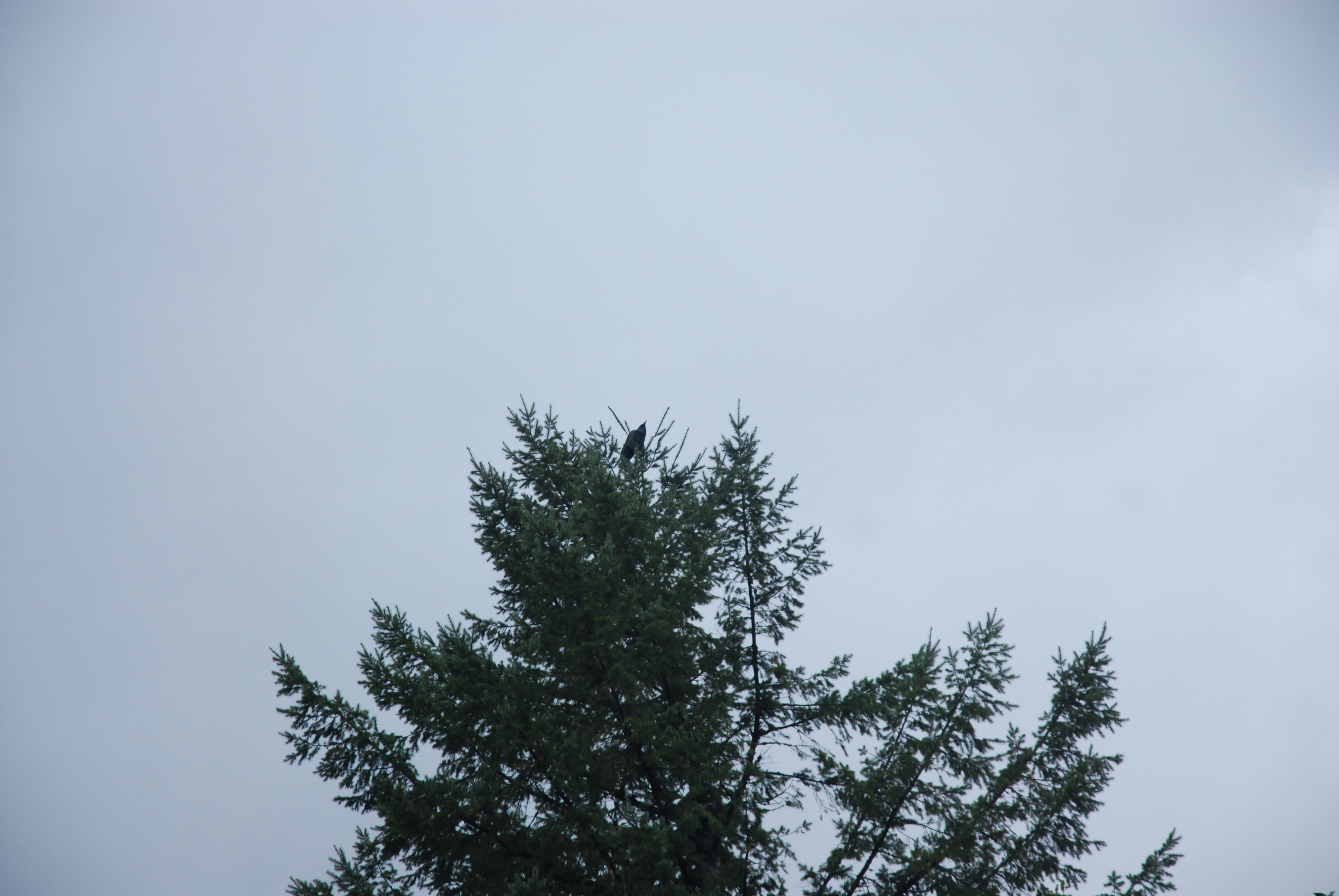
Prax – the local banded raven waiting for cats to be fed so he can steal kibble

But here’s the thing. Even though we know not to read reviews, sometimes the temptation is just too much and we peek. Or at least I do. Kind of like peeking in the Christmas stocking before everyone else gets up. Or peeking at the last page of a book to see if the author agrees with you who the bad guy is. Or peeking at the text being typed by the person crammed intimately into the airplane seat next to you.

I just realized peeking is like solving a mystery. And I do love a good mystery.

DSC_0063

Taken from the back door last week. Snow level is dropping.

Anyway, this is my problem on those rare occasions when I peek at a review. It’s one thing when someone writes out a review, but those people who just click on the number of stars and don’t say why can be frustrating.

It has nothing to do with the number of stars. I don’t care if the book got five or one. As long as there’s an explanation, that is. You hate the book? Tell me why, because maybe it’s simply that my book and you weren’t a good match. Or, more importantly, maybe it’s actually something I can learn from.

Those who say nothing and only assign the stars, aren’t giving me the end of their story. They’re not allowing me to peek into their life, to see why, to understand. Sounds selfish, I know.

DSC_0061

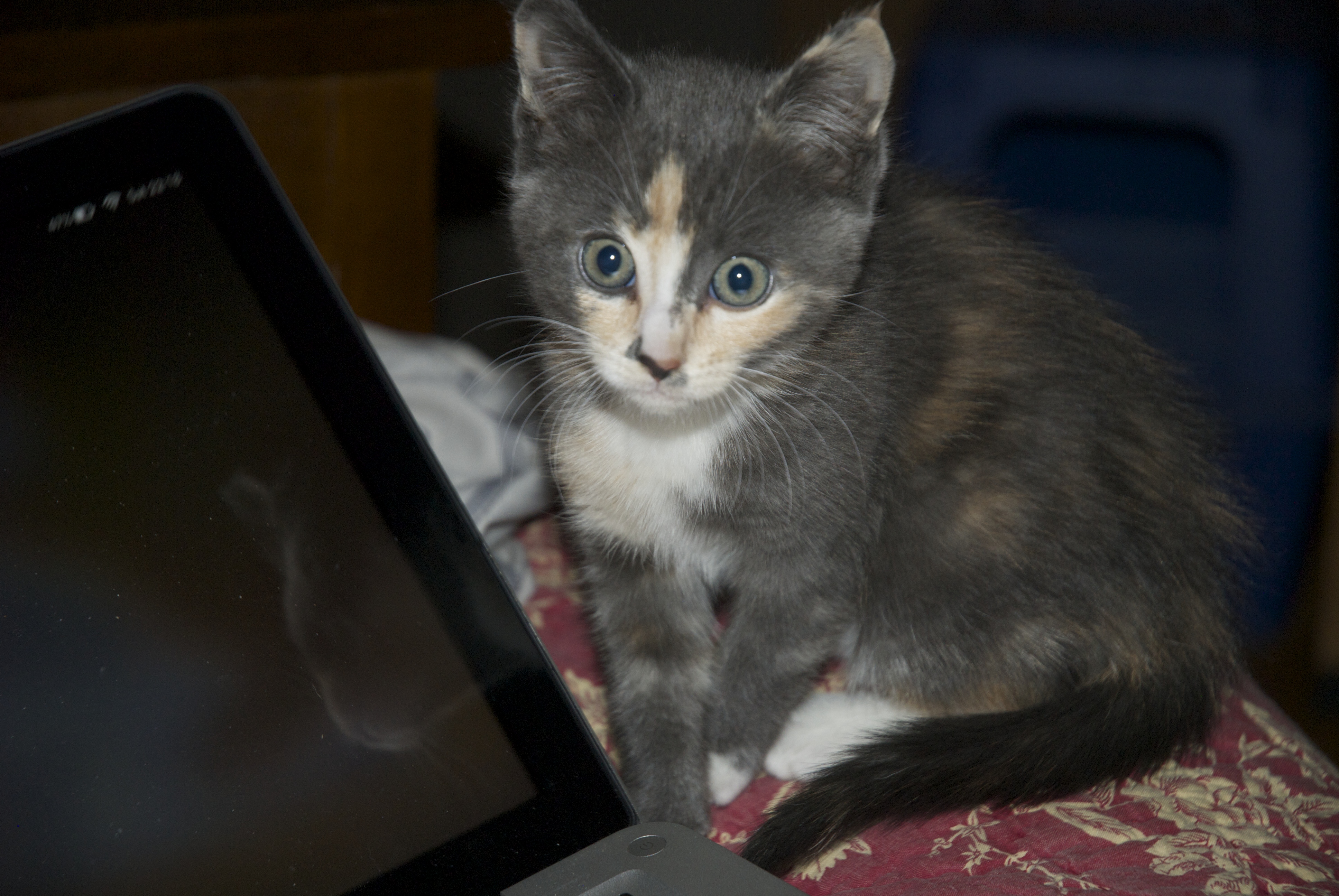
Rocci – the kitten someone dumped a couple weeks ago that the husband rescued

That can drive a mystery writer bonkers. Probably all writers. You immediately ask the same questions you asked yourself when you started writing the story. What if…Why…How can I…In other words, there’s a need for dialog.

Let’s talk. Explain it to me. Help me see your view. Allow me to explain. Allow me to show how the words ended up the way they did.

That may sound a bit pathetic but I’m sure you get what I mean. It’s not out of desperation. It’s out of a desire to understand, to interact, to grow. It’s also an excuse to talk writing with people, which is absolutely wonderful.

So if you take time to click on stars, consider taking a few seconds to tell the writer why.

Because even if writers know they shouldn’t read reviews, everyone peeks.

Bath 2

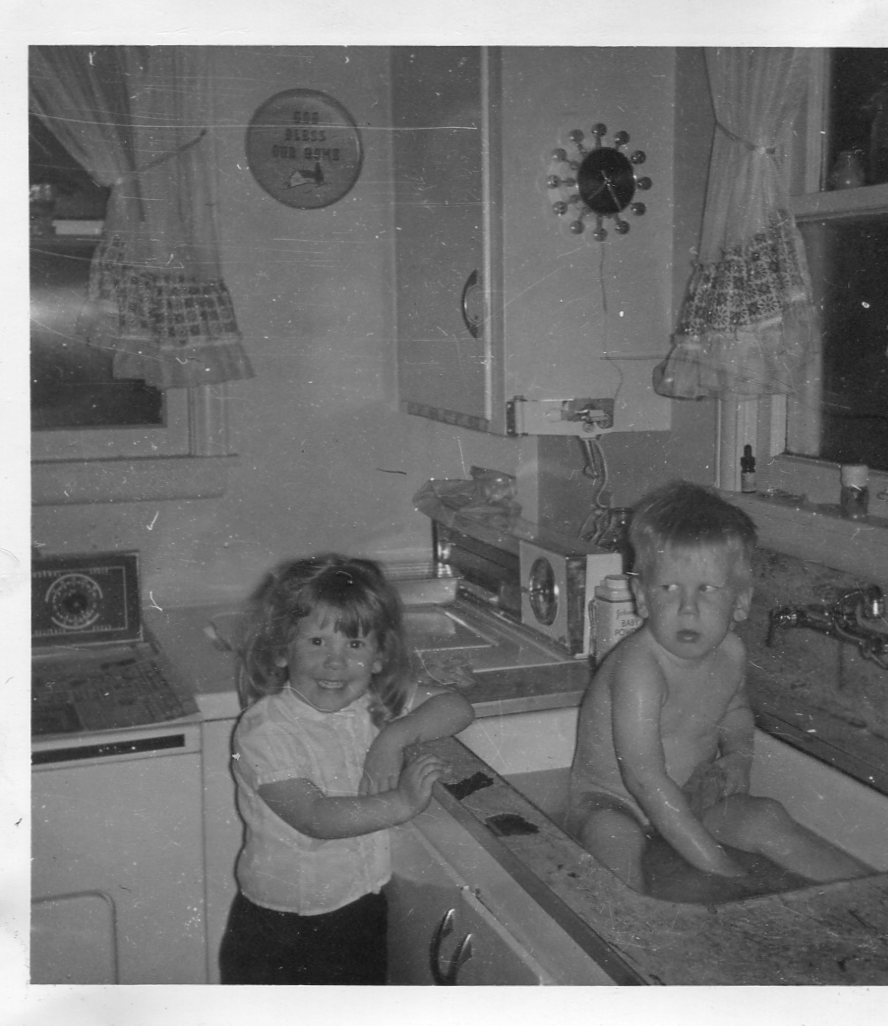
The epitome of peeking. Look how happy I am. I started young.

Reviews

Book reviews are gold for authors. I’m tempted to stand on a street corner with a cardboard sign that says ‘Bought my book? Please write a review’.  It’s free advertising after all. But did you know that there are whole websites devoted to reviewing books? Well, with the internet, of course there is. Writers can submit their books for online reviews, which obviously can increase, or crash, sales. I just finished reading a blog post by Molly Greene (www.molly-greene.com) about book reviewers. As always, with Ms. Greene’s blog posts, I found it interesting and informative. There was a list of things not to do when approaching a book reviewer.

Things like no mass mailing, researching their website first to make sure it’s a fit, being professional, etc.

And you know what this is? The modern-day version of sending out query letters to traditional agents and publishers. I remember those days not-so-fondly. The Writer’s Market annual guide to agents and publishers, a huge heavy book with all the listings. Going through it with a highlighter marking all the ones that accepted mysteries by unpublished authors. Then researching them to find out if my mystery fit their wish list and making sure they were legitimate. Then agonizing over the perfect query letter, mailing it out, and waiting weeks for the rejection letter.

Interestingly, one thing I learned from that process was that there are degrees of rejection. In the beginning I got form letters. Once I even got my self-addressed, stamped envelope returned, with nothing inside, and simply the words ‘no thanks’ scrawled across the back of the envelope. But hey, it was hand written! Then I improved to where I got personalized rejections with things like, ‘this may not be for us, but send us your next one’. Talk about excitement when that one arrived.

But I digress.

What is obvious is that the work stays the same, no matter what the medium. Whether I’m sending out stamped envelopes or hitting the ‘send’ button, some things never change. Research. Professionalism. Being polite. Knowing your market. Knowing your product, etc. Which, in many ways, is true within all walks of live. Respect for all things.

It’s kind of reassuring, in these days of computer programs I flounder with, that there’s something I recognize from the ‘old days’. I don’t need my teenager to explain this to me. I just need to do some research. Been there, done that, can do it again.