A Lesson Learned

Several months ago I attended Write on the Sound, and blogged about writer’s conferences. It was a nice conference and I had some panels that I learned from, like the ones by Priscilla Long and Ron Gompertz. I came away with a little new knowledge, a couple new resources, but not enough that I thought it worth the cost of the conference, the hotel, the gas.

Last week I escaped to a small writer’s retreat, joining authors Susan Schreyer and Kaylan Doyle. We got up early and spent the day writing. While we worked on our own projects, we were in the same vicinity. There was little noise as we delved into our story worlds. Every so often one of us would get stuck, would ask permission to break the writing. And then there would be a few minutes of a different sort of productivity as we helped each other figure out what was going on, brainstormed solutions, read a piece of work, received feedback. And then the silence would fall again.

I have never done something like that. Writing in a group setting never appealed to me, let alone talking about my work in progress before the first draft was finished.

So what made the difference this time? Well, first off, my writing routine has changed dramatically over the past two years. From writing at night to writing in the morning. From writing to music to writing to silence. But more than that, I think it was the safe environment. I was in the company of two writers who, while all three of us have different ways we write, were trusted. If something wasn’t working, I knew they would give me honest feedback that I could take away and use or not. And there was absolutely zero pressure to produce or to share. Several times I’d glance up to see one or the other staring out the windows, lost in their work, even though fingers were still.

In the early evening, we took a break, went for a walk, went out to dinner. Then we came back, the tea kettle and coffee pot went on, chocolate came out, we sat around the table and talked writing and swapped tales. And then drifted back to our writing.

I have learned that I can write in the presence of other writers, I can share a work in progress (at least snippets), and that I got way more value from this retreat than I did from the conference.

I’ve also learned that I need to do this again. It pays to stretch out our fingers, take a deep breath, and allow our writing to try something new.

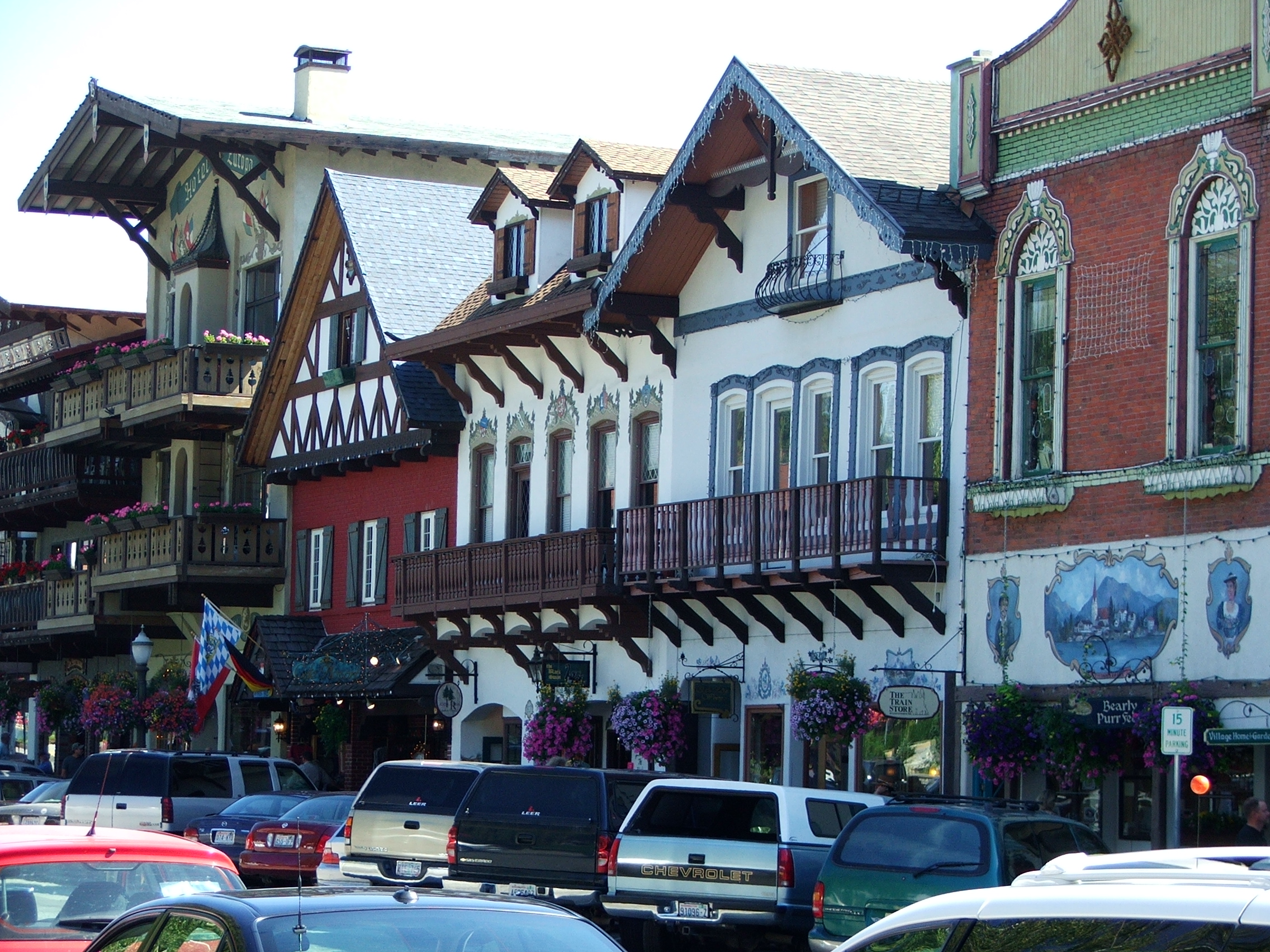
Below is a photo of Leavenworth, WA, where we wrote..
Quote Related to Previous Post

In the previous post I said I’d just started a book called Writing as a Sacred Path, by Jill Jepson. I’m still only a few pages into the book, but I wanted to quote a passage here, that so resonated with me because Ms. Jepson put into words exactly how I feel about the birth of stories.

‘Stories are gifts. The Universe offers them, not merely to us as individual writers, but to the world. Writers are the ones charged with the work of giving stories form and passing them on to others. To receive and be open to stories, to receive them, to treat them with care and respect, and to offer them to the world is not merely our work, but our sacred responsibility.’

To receive a story, care for it, nurture it into full form, and treat it with respect. That’s the calling I was talking about earlier.

Vocation or Desire?

I just picked up a book at the library called Writing as a Sacred Path, by Jill Jepson. In the opening paragraphs, she compares writing to a vocation, a calling, or an irresistible impulse. I’ve just started the book so I don’t know how good it is going to be, but I like the idea of writing as a sacred path.

But going back to this vocation. The word got me wondering what exactly a vocation is. The Oxford Dictionary defines the word as a strong feeling of suitability for a particular career or occupation. Well, I don’t think of writing as a career or an occupation, and I certainly don’t feel suitable. And rarely capable! Another definition is a person’s employment or main occupation ‘especially regarded as worthy and requiring dedication’. Writing isn’t my main occupation, although I might wish that it was. Finally, the dictionary says the origin of the word could come from the Latin vocare, to call. Okay, now that resonates with me and reflects back to the opening of this library book, when she says writing is like a calling. But what does that mean?

A vocation, a calling, to me, is something we cannot separate from ourselves. No matter where we are in our day, it’s there, under the surface, impacting everything we say and do. Added to that is the urge to write, the simmer that makes us miserable when we are not writing.

I remember a young person telling me she wanted to write a book, wanted me to give her an idea, tell her how to do it, and she wanted  it published within a couple of months. This person obviously thought writing was simply tossing some words down, magically getting them published, and sitting back while the money rolled in. If this person had heard that call, felt that longing, tried to capture the spirit of stories out there in the universe, she would never have asked about writing so flippantly. Yes we want to be published, yes we want to make money. But we write anyway, without those things.

And of course sometimes writing feels less like a yearning call and more like a gorilla on our back. Or a leach sucking us dry. Or an inner critic breaking our heart.

My husband recently gave me some quotes that I think impart what I am trying to say here in a much simpler fashion. So I am going to end with them. Words to take away and think about when that calling pulls you down the sacred path.

Cacoethes scribendi:  insatiable desire to write

Verba volant, scripta manent: words fly away, writings remain

Think about that last one.

Writing remains.