
1866 homesteader, image from wikicommons
I walked by a penny today. Under the umbrella, listening to the rain, enjoying the woods, and didn’t even pause when I saw that bright copper in the dirt. But it did bring back memories. I lived in Seattle until I was nine, and a few blocks from our house was the corner store, run by a grumpy old man. Well, he was old to my kindergartener eyes. And back then, finding a penny was a huge, huge deal because Joe’s carried penny candy. You could get a lot for a penny. If you were really lucky and found a nickel, you could walk out with a small lunch sized paper bag of goodies.
When I moved to the mountains in 1988, the general store there still sold penny candy. And little kids still got excited when they found a coin. My son, however, will never value a penny the way we did. And some day, if he ever has kids, it may be that the dollar bill went the way of the penny. We always think things will last and they don’t.
This evening a friend told me that some things her husband collected for years were stolen. Each piece had a unique story behind it. I suggested she get him to tell her those stories so they would at least still have that. Which reminded me of the penny candy. These tiny little things that seem so unimportant in our lives will some day be looked back on as antique.
Think about the historians. The best ones wrote about the day-to-day, seemingly trivial things in a person’s life. Yet now, those are the exact things that give archaeologists a clear view of how people lived and died.
Now think about your life. The little things you do that seem unimportant when weighed against news headlines. Something you cooked for dinner that was an old family recipe. A decoration you’ve pulled out for Thanksgiving that no one but you remembers where it came from. I’m willing to bet if you give it some thought, you’ll realize that many things you do throughout the day have a story or a memory attached.
If you don’t write those down, or tell those stories to someone, then eventually they will be forgotten. I don’t mean everyone needs to suddenly become a writer or start keeping a journal. Just think about passing on those stories that seem trivial or unimportant. Talk into a tape recorder. Jot things down on recipe cards. Tell your kids. Tell your friends. Talk to each other. Don’t say ‘yep, that’s a good idea. I’ll do it one of these days’ because one of these days may never come around.
Because some day all of us right now will be gone. And what will be left will be the stories others remember. Well, okay, the plastic water bottles and pampers will be left, too, but you get my drift.
Last week I somehow got into a conversation about the westward movement and told the person I was talking to about a relative coming out on a wagon train as an infant and how a couple wanted to buy him for a silver dollar. He’s been gone a long time, but that story lives on in descendants. And probably lives on in multiple dramatic variations, knowing my family.
A final thought. I’m not talking about going on Facebook and posting what you had for dinner for posterity. I’m talking about the things that make you who you are, recorded somewhere tangible for those who follow.
It’s more important than you know.
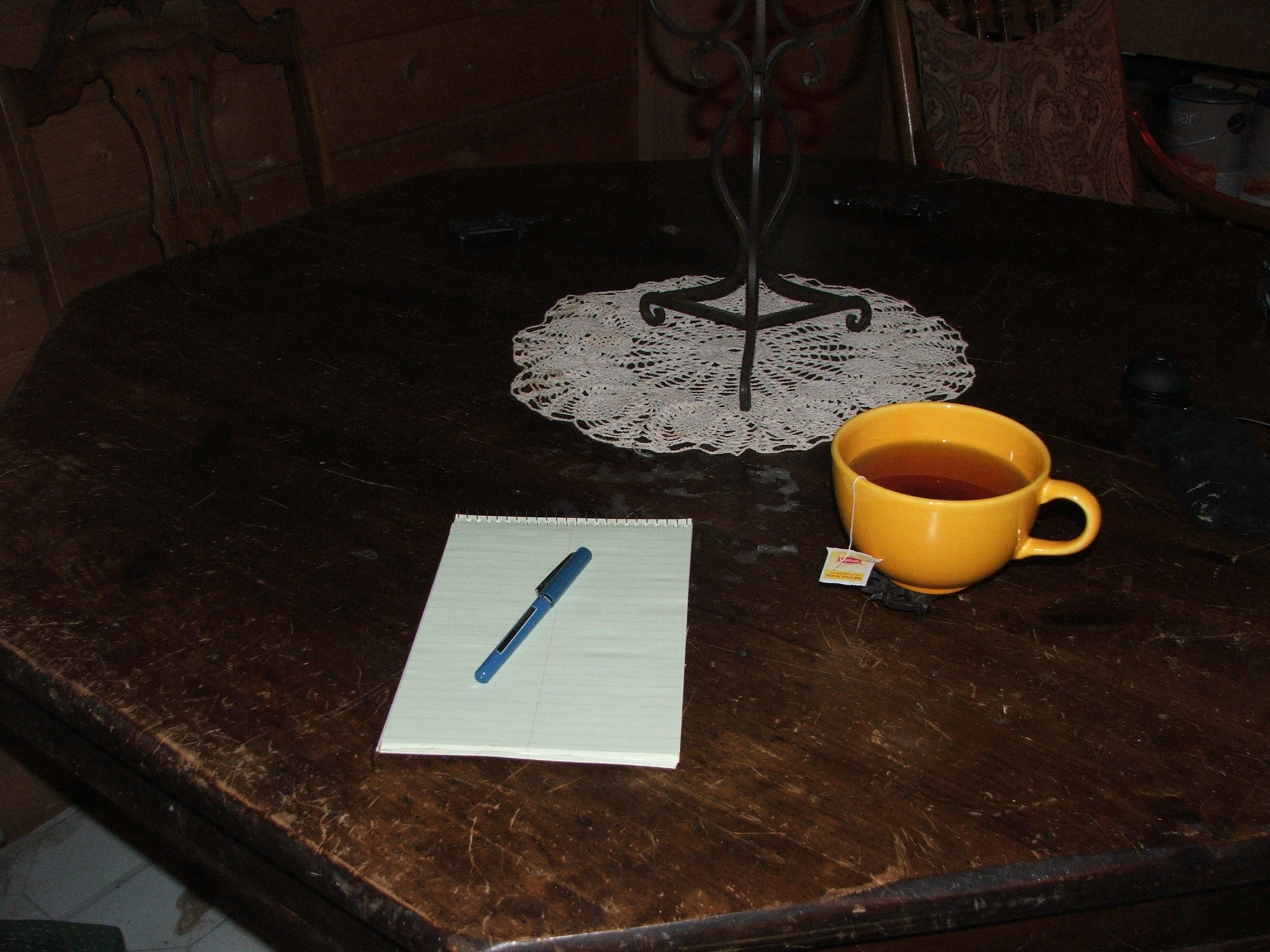
Pick the pen up; someone, someday, will be glad you did.


 Lisa Stowe - The Story River Blog