Character Observation

I am going to be interviewing Kaylan Doyle, author of ‘Survivors’ Dreams’, but one of her answers spiked my curiosity about what others thought, so I decided to post it separately and use it as a forum for some discussion. I asked Kaylan this:

Q:  Your action/reaction character interplay always seems exactly right.  How do you manage the balance; where does the inspiration come from?

KD:  For me, the key to character/character interplay comes from observation.

Because of a decades-long hearing impairment, I’ve studied every aspect of social interaction – whether or not I was involved. I “heard” with my eyes. Compensating for the lack of words, I ‘read’ body language, guessing (not always successfully), while trying to fill the gaps of missed dialogue.

The more my hearing deteriorated, the more my other senses expanded to assist. Watching movies (or other people – ex. in the grocery store or at public venues), I found myself keying on the set of a jaw, the squaring of shoulders, the pace of breathing or whether one character invaded the personal space of another. The classic use of “show, don’t tell.”

In writing situations, I use the senses: Sight, feel, taste, smell, hearing plus a large dose of intuition. Applying all these bits of information enriches a scene or an interaction between characters.

For inspiration, I draw characteristics, traits from people I know. Combined with abilities I wish I had, or ones my characters will need to survive, my novels are peopled with composites. I love the freedom to create and amplify my characters’ abilities. Writing a thumbnail sketch of each personality keeps me true to the proper action/reaction of each. And some, I just make up for the fun of it – but I always try for authenticity, believability. I need my readers to nod and say, “Yes, this could happen – or yes, he/she would do that.”

About balance: I’ve found, in real life, there are few all “bad” or all “good” people. Everyone has their good points and everyone has flaws. Each has some personal code of behavior or ethics – even serial killers have methodology (eeek!). Murderers have their own twisted reasons for what they do, why and how. I try to portray the belief system of each character and reflect it in their actions.

In creating a ‘balanced’ character, I believe four things need to agree: dialogue (what the character says), internalization (what the character is thinking), body language (what the character does), and proprioceptive reaction (the involuntary physical reaction of the character to stimulus). If they do not agree, (a very useful tool if applied deliberately) it is easy for the reader to guess something is amiss. Often, writing what is “not happening” is more effective than writing what “is”.

My favorite character to create:  I love strong female protagonists.

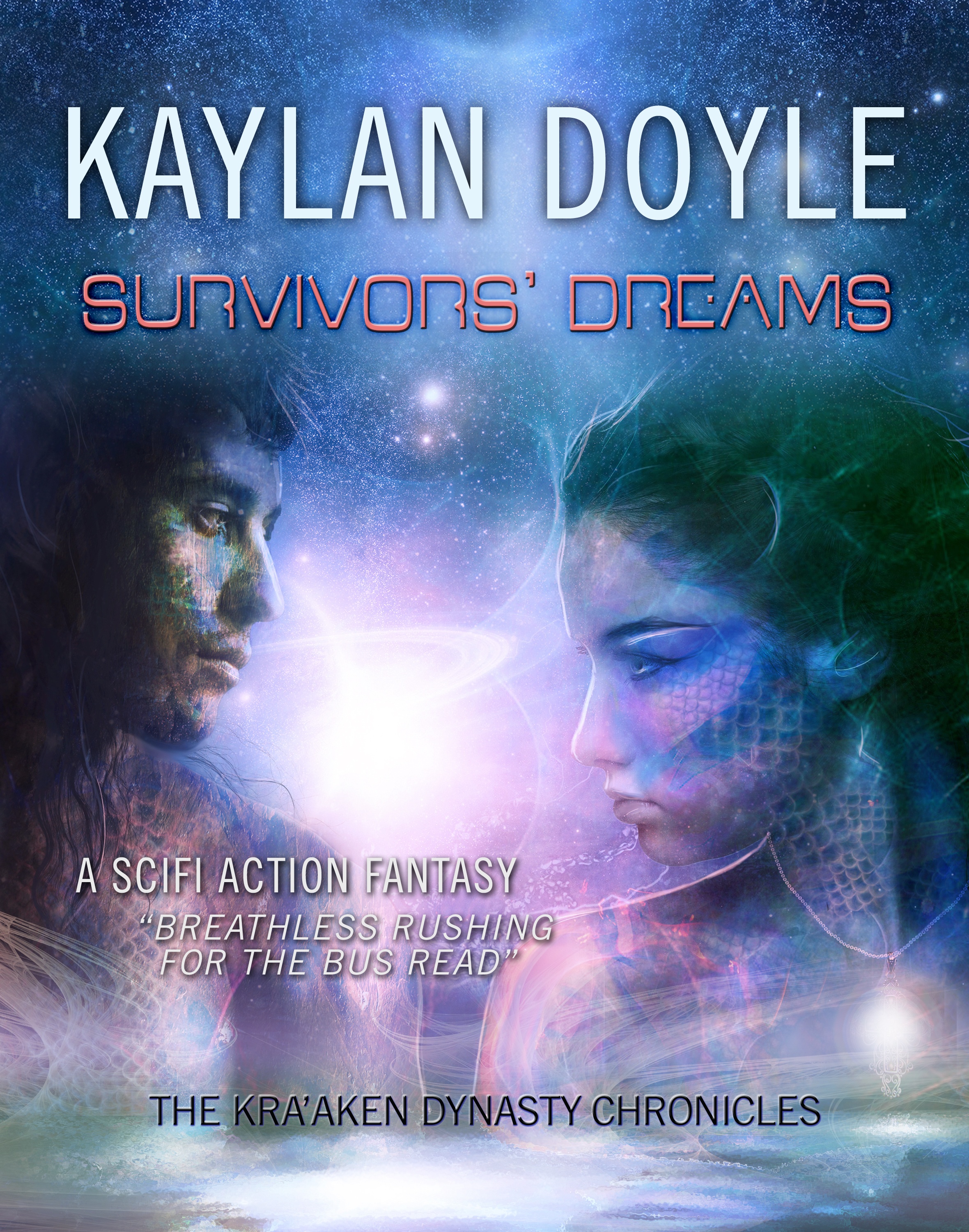
So, tell me what you think of character interplay. Kaylan’s right, that close observation translates to body movement that makes characters more believable and real. Below is the cover from her book.
Scary Stories

No idea why the last post has such oddball font.

Last night at the writer’s group I attend, I asked the others what story scared them so much that it has stayed with them. It started an interesting discussion that I wanted to continue here.

We listed those stories that still scare us, like ‘Salem’s Lot’ by Stephen King (he made it so believable), ‘The Tell-Tale Heart’ by Edgar Allen Poe, (the rhythm of the heartbeat in the words), ‘The Haunting of Hill House’ by Shirley Jackson (as Stephen King has said, she can terrorize without yelling).

What was interesting was that none of the stories that scared us and still haunt us, had anything to do with blood and gore, but with pacing, tension, word use, the slow escalation, the unexpected. By unexpected I don’t mean the creature under the bed. If you’ve read Shirley Jackson’s book there’s a scene with a terrified young woman holding tight to her friend’s hand in a dark bedroom while something pounds on the door. The reader is directed to that ghostly terror outside the room trying to get in, until the light comes back on and the totally unexpected, totally creepy part, is inside the room. It’s a great example of directing the reader’s attention unobtrusively in one direction, while the author sneaks up behind the reader.

Of course you’d expect writers to focus on the craft of the scary story, but I think they have pinpointed what scares us  in these kinds of books, whether you’re a writer or not. A character to care about. That niggling faint feeling that something is about to happen, the sense of doom rushing toward you.

In all fiction though, there are moments in our stories where we need to accomplish the same thing. Tiny moments of pushing our reader to the edge of the seat, whether that’s in a romance, a western, or a mystery. I think we could learn how to make those tiny pieces of our plots more breathless by studying the structure of those scary masterpieces.

Besides, Halloween is coming. It’s time for me to dust off Shirley Jackson’s book and read it again.

Oh, and by the way, photos can be terrifying, too…for a parent!

‘The Drowning Boys’ by Mary Mackey

I am posting Mary Mackey's poem here as the sidebar is getting crowded but I don't want to remove the poem from the blog as it is such an integral part of the interview that follows. If you are intrigued by this poem please read the three part interview with its author. 
'The Drowning Boys'  (From 'Sugar Zone' by Mary Mackey)

Down to the Farol do Barra on the Bay of All Saints
out to the raw sugar beaches of Jaguaribe and Itapuã
stomachs empty as charity
bare feet coated with salt and the mud of melted hills
Eles estão chegando here they come
the drowning boys/as moleques da rua
from Susuranna, Favela de Alagados,
Maciel/Pelourinho coming in packs
like dancing saints their faces bright as the mirror
Iemanjá holds when she walks on the waves

as crianças sem esperança     the boys without hope

how gently they will touch our wrists
as they unstrap our watches
how carefully they will turn us over
as they empty our pockets & push us under

these children who don’t fear death
children who in another life
we might have loved

Reproduced here with permission from Mary Mackey.  Please respect the author's work and do not copy, print, or reproduce without her permission.